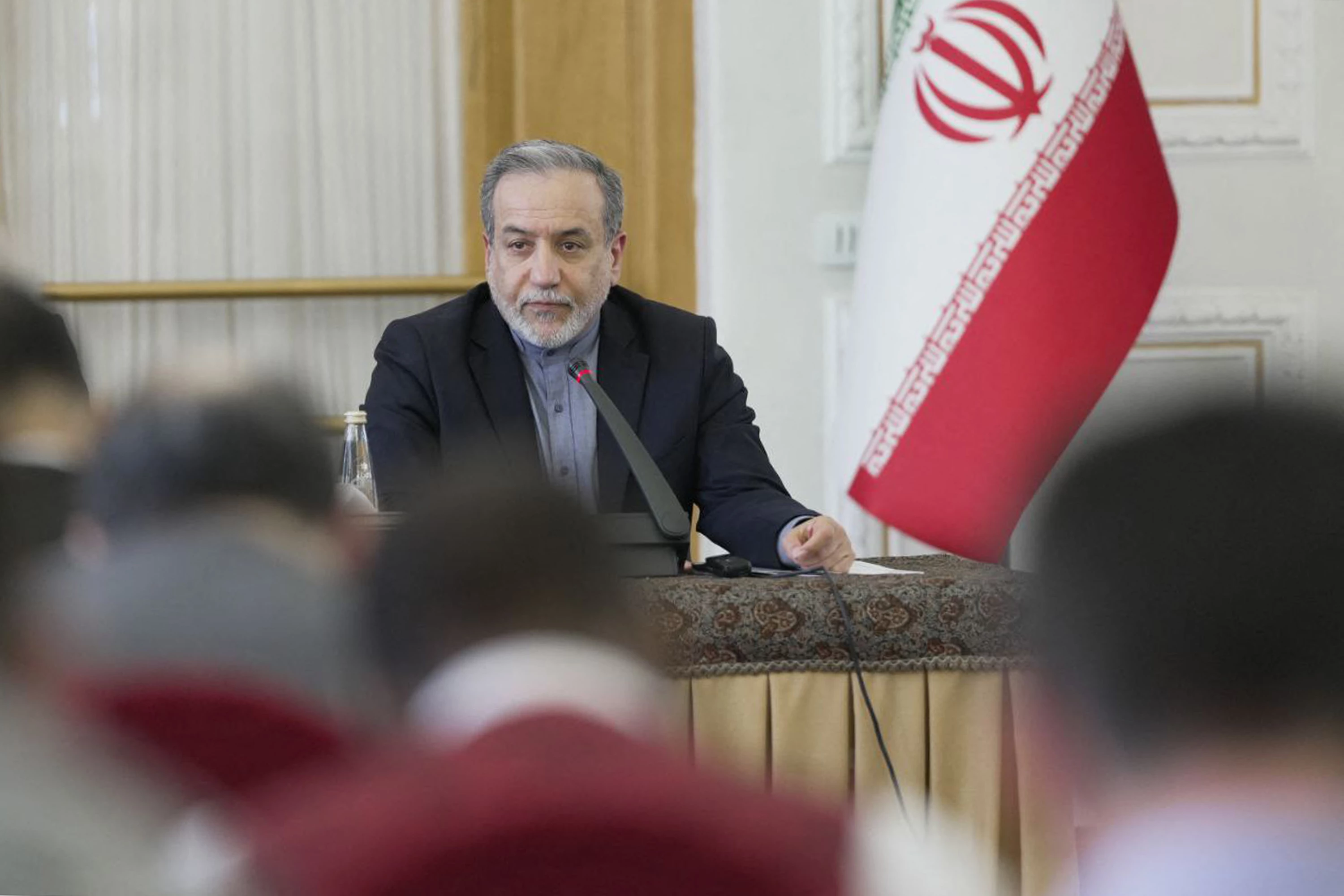
ERBIL, Kurdistan Region of Iraq – Iranian Foreign Minister Abbas Araghchi expressed optimism regarding ongoing negotiations with the US on Sunday, asserting that he still believes there is a “good chance” to resolve the nuclear impasse ahead of the next round of talks.
Interviewed by the American broadcaster CBS, Araghci said, “I believe that when we meet, probably this Thursday in Geneva again, we can work on those elements and prepare a good text and come to a fast deal.”
Later on Sunday, Omani Foreign Minister Badr al-Busaidi confirmed that the next round of US-Iran nuclear negotiations will be held in the Swiss city on Thursday, saying they come “with a positive push to go the extra mile towards finalizing the deal.”
Muscat has served as a mediator during the indirect talks between the two sides, having hosted talks both this year and in 2025 before the budding dialogue collapsed when Israel began a large-scale bombing campaign against Iran in June that eventually saw US participation.
The Iranian top diplomat maintained that there is “still a good chance to have a diplomatic solution which is based on a win-win game,” noting that negotiators are already “working on the elements of a deal and draft of the text.”
He made clear, however, that Tehran would not budge on its right to enrich uranium for civilian purposes — a position Washington firmly rejects. “As a sovereign country, we have every right to decide for ourselves, by ourselves,” he said.
Reuters, citing an unnamed Iranian official, reported Sunday that the issue of enrichment and sanctions relief remain two salient outstanding issues, asserting that would be prepared to “seriously consider” removing enriched uranium from the country or forming a regional enrichment consortium, an idea that was posited during last year's talks.
Despite his optimism towards diplomatic efforts, Araghchi also warned that any US aggression in the region would not go unanswered, with Iran ready to strike American interests across the Middle East.
“If the US attacks us, then we have every right to defend ourselves. If the US attacks us, that is the act of aggression. What we do in response is an act of self-defense,” Araghchi said, adding “it is justified, legitimate. So our missiles cannot hit American soil. So obviously, we have to do something else. We have to hit, you know, the American base in the region.”
Following US strikes against Iranian facilities last year, Iran responded by launching a barrage of missiles against a US military base in Qatar.
The latest round of talks, which resumed in February, come as US President Donald Trump has ordered a massive buildup of military forces in the region and repeatedly threatened to intervene in Iran once again.
 Facebook
 LinkedIn
 Telegram
 X
X