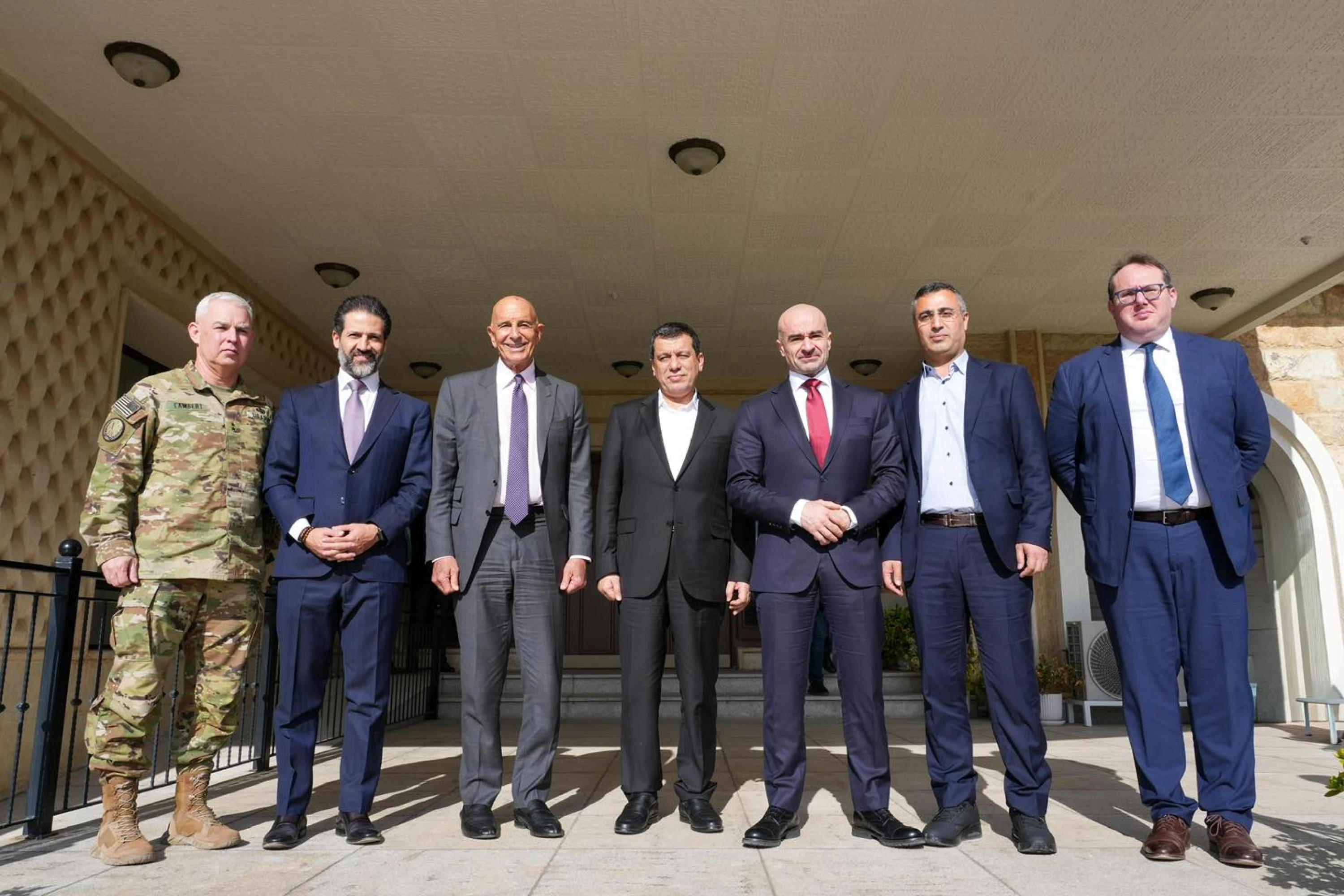
ERBIL, Kurdistan Region of Iraq – Patriotic Union of Kurdistan (PUK) leader Bafel Talabani on Tuesday received Kurdish-led Syrian Democratic Forces (SDF) chief Mazloum Abdi and US envoy Tom Barrack in Sulaimani, with all sides stressing continued support for an inclusive Syria.
The “main focus” of the meeting “was on the need to implement the January 29th agreement, and to work together to remove any obstacles that prevent the implementation of the agreement,” Talabani said in a statement.
The January 29 agreement has seen limited numbers of Syrian state forces enter Rojava cities and assume administrative roles, while Damascus has attempted to quash Kurdish fears of chauvinism and centralization by formalizing linguistic and cultural rights for the minority.
“During the meeting, all sides affirmed the need for a Syria that respects all its communities, and will work together to help Syria become a constructive country in the region and the international community,” Talabani said.
The meeting, which also included Kurdistan Region Deputy Prime Minister Qubad Talabani, follows Barrack’s visit to Erbil, where he met with President Masoud Barzani, leader of the Kurdistan Democratic Party (KDP), and Kurdistan Region Prime Minister Masrour Barzani.
Barrack highlighted President Barzani’s role in reaching a ceasefire deal in Syria and noted that Iraq could benefit from the president’s “wisdom and guidance” to overcome its challenges.
Officials from the Kurdistan Region, and in particular President Barzani, played a vital role in facilitating a January 29 ceasefire and integration agreement between Rojava (northeast Syria) and Damascus.
In a separate meeting with Abdi, the PUK leader affirmed that “we will continue to support the people of Rojava until Syria becomes a country where everyone’s rights are represented and whose government reflects the diversity of Syrian society.”
On Monday, Barrack met with several top Iraqi officials, including Prime Minister Mohammed Shia’ al-Sudani and Foreign Minister Fuad Hussein, in Baghdad to discuss the stability of Syria and the transfer of Islamic State (ISIS) detainees from Syria to Iraq.
Iraq took in more than 5,700 ISIS prisoners from Syria after the turmoil caused by a January Syrian government offensive in Rojava raised fears that detention centers, previously operated by the SDF, would be unable to maintain security amid the conflict.
In mid-February, Abdi told reporters that the Rojava administration informed Damascus that "we want autonomy in the Kurdish areas, no matter under what label," endeavoring to maintain as much local power for the Kurdish-led authorities under the new agreement.
The Syrian military offensive drew widespread condemnation for the bloodshed and abuses by Damascus-affiliated personnel, with the European Parliament issuing a resolution noting the prevalence of "credible reports" of atrocities directed "particularly against the Kurdish population."
 Facebook
 LinkedIn
 Telegram
 X
X