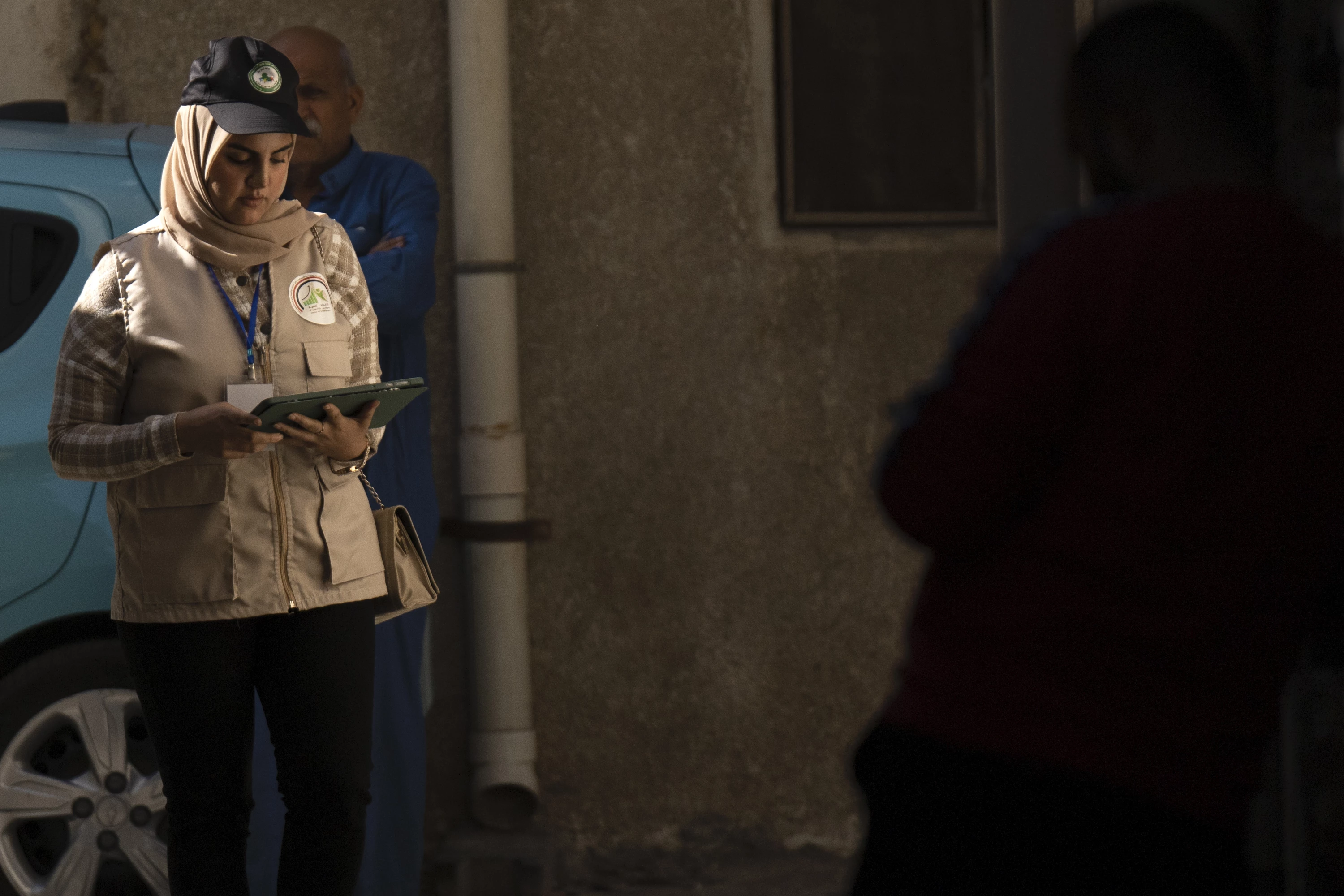
ERBIL, Kurdistan Region of Iraq – Iraq’s planning ministry on Wednesday stated that while the Kurdistan Region accounts for 14.14 percent of the population according to the latest census, the figure drops to 12.68 percent after applying mechanisms to exclude residents whose previous residence was outside the Region, a calculation formally objected to by Erbil.
With the Region's proportion of the Iraqi population forming the basis of its federal budgetary entitlements, the Kurdistan Regional Government (KRG) Council of Ministers has voiced its rejection of any reduction of the 14.14 percent figure, saying in a meeting on Wednesday that its financial and constitutional dues must be allocated within this framework.
"It stressed in particular that the Kurdistan Region has fully complied with its oil and financial obligations, and that salary lists and monthly audit balances have been submitted without deficiencies by the KRG Ministry of Finance to the Federal Ministry of Finance," a KRG statement on the meeting said.
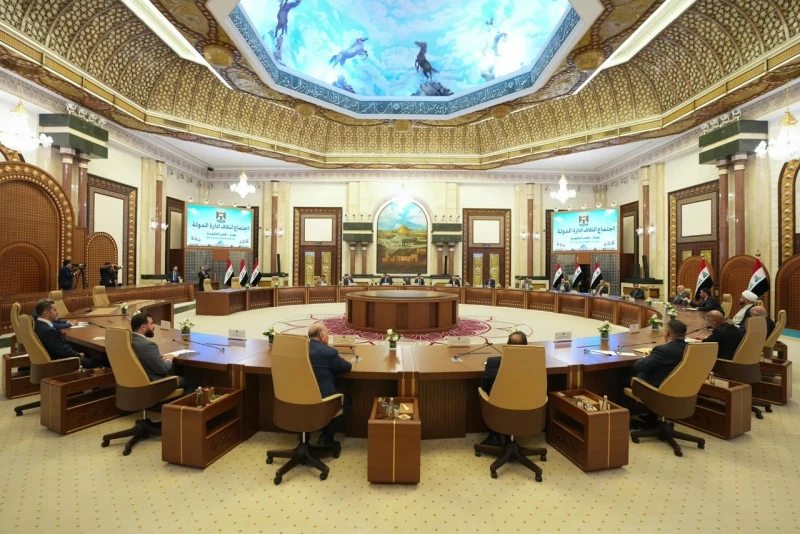
The Iraqi planning ministry’s advisory board gathered on the same day under the chairmanship of Acting Minister of Planning Khalid Battal Al-Najm to discuss Erbil's objections.
According to the census results conducted in In late 2024, “the population of the Region constitutes 14.14 percent of Iraq’s total population,” spokesperson of the Ministry of Planning Abdul-Zahra Al-Hindawi said in a statement.
However, excluding residents currently living in the Region who previously resided elsewhere, allegedly at the request of the KRG, “resulted in the Region’s population being calculated at 12.68 percent.” The measure, known as a migration matrix, is an international census methodology that was applied to the results.
According to the ministry, the matter was raised in two separate meetings in October 2024, one during a parliamentary session and the other in a meeting at the Presidency of the Republic, both reportedly attended by KRG officials.
In late 2024, Iraq conducted its first population and housing census, to also include the Kurdistan Region, in nearly four decades. According to the announced results, Kurdistan Region officially made up 14.1 percent of Iraq's total population of 46 million.
Budget and salaries, along with domestic revenues and oil exports, have been the focal point of contention between Erbil and Baghdad for years.
Disagreements over budgetary allocations, the management of oil exports, and domestic revenues have seen Baghdad refuse to fund the Region's civil servants' salaries for months. The Iraqi government has refused to pay several salaries of the Kurdistan Region's public sector, including November and December of last year.
Erbil and Baghdad came to an agreement in September to alleviate some of their budgetary disputes and ensure that civilians do not bear the brunt of it, with the KRG agreeing to export its oil through Iraq's oil marketing firm (SOMO) and to hand over 120 billion dinars every month as Baghdad's share of the Region's non-oil revenues, in exchange for monthly dues of the Kurdistan Region's civil servants.
The KRG spokesperson said at the time that budget discussions would be held after the formation of Iraq's next government. The government formation process, however, has faced roadblocks, amid uncertainties regarding candidates for the posts of Iraq's president and prime minister
 Facebook
 LinkedIn
 Telegram
 X
X