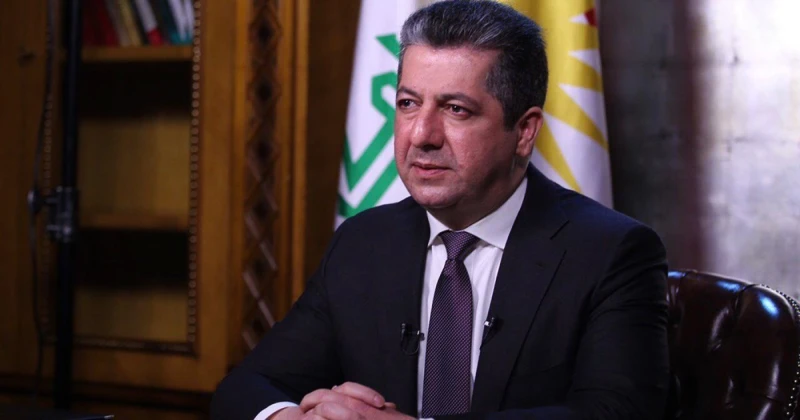
ERBIL, Kurdistan Region of Iraq – Erbil is in favor of Baghdad exporting its oil through its pipelines but guarantees must be given to the Kurdistan Region, Prime Minister Masrour Barzani said Tuesday, with the Kurdish premier seeking to alleviate Iraq's economic woes by offering the Region's assistance.
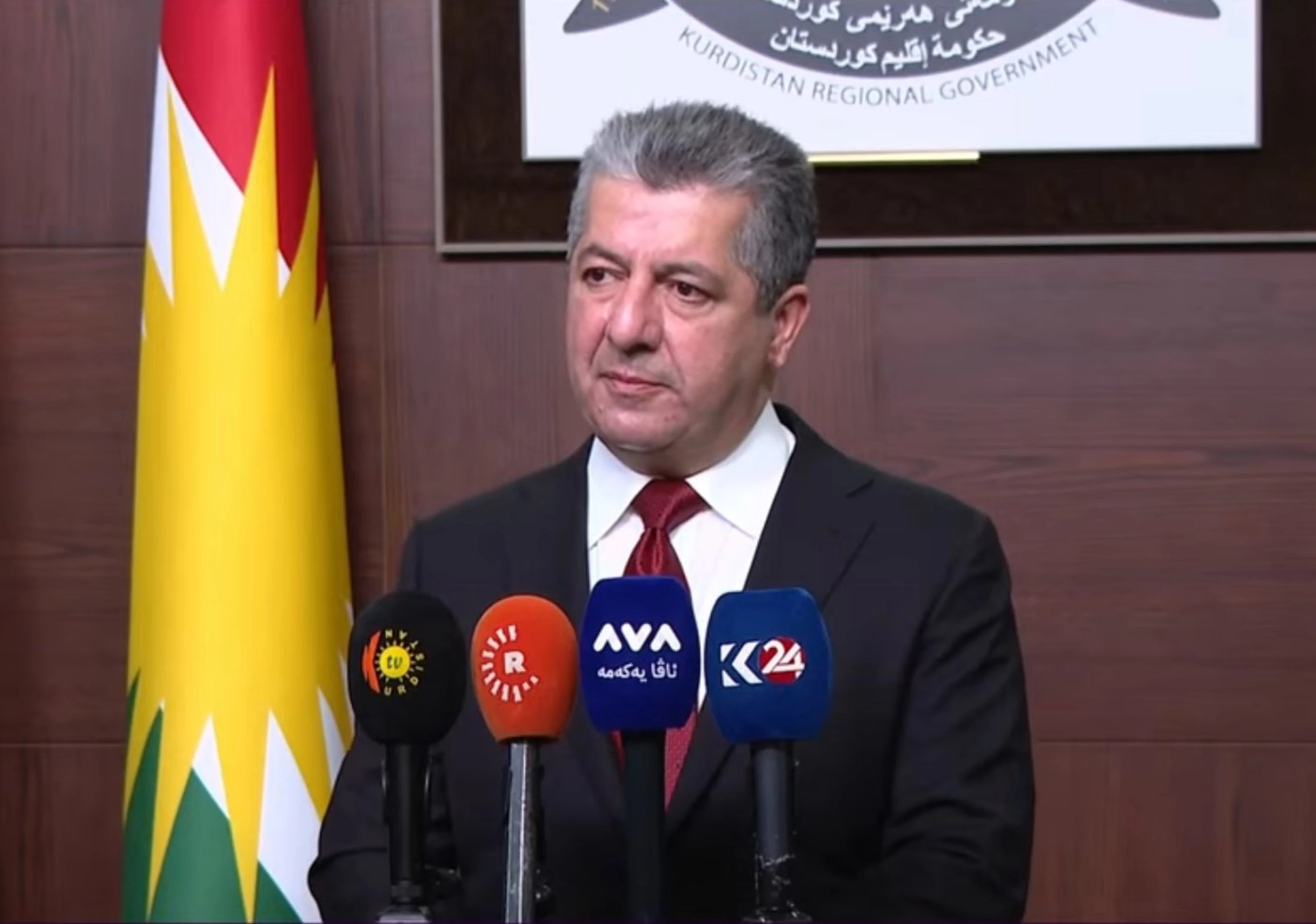
“The Kurdistan Region has only requested guarantees that we could, from our fields, produce oil,” Barzani said in a presser, asserting that Baghdad's use of Erbil’s pipelines to export its oil is not enough to resolve the country’s export issue.
Barzani further affirmed that the Kurdistan Regional Government (KRG) will not oppose any efforts from Baghdad to “transfer its oil abroad from anywhere,” but also called on the Iraqi government to provide more time to implement a new customs system.
Prime Minister Barzani has repeatedly stated that the KRG does not want to stall Iraq’s economy or development but rather ensure the Kurdistan Region’s interests, especially during the ongoing war, with Kurdistan facing constant drone strikes.
The deadlock in the Strait of Hormuz has significantly disrupted Iraq’s economy, with the country struggling to export any oil, down from around 3.5 million barrels per day, according to OPEC.
Erbil, however, has expressed its willingness to do its part and assist in the process, but has asked for guarantees to safeguard the interests of the Kurdistan Region’s citizens.
Erbil and Baghdad have been at loggerheads over the implementation of the ASYCUDA international customs system. The Iraqi government has implemented the system and is forcing the KRG to do the same, although Kurdish authorities have requested more time.
Baghdad, however, has taken measures against Kurdish traders by limiting their access to US dollars. It has also imposed a trade embargo on the Kurdistan Region.
Barzani said that there are no justifications for the trade embargo imposed on the Kurdistan Region, adding that Erbil has asked for a nine-month period to implement the ASYCUDA system.
“We are ok with implementing the system, but we have just asked for more time,” he said.
The prime minister stressed that Erbil has announced its willingness for the ASYCUDA system to be implemented in the Kurdistan Region, but it must have a Kurdistan Region-tailored mechanism.
Moreover, Barzani has long been a proponent of increased investment in the oil and gas sector. During a trip to Washington in May 2025, Barzani oversaw the signing of two major energy agreements with US energy firms, worth a combined $110 billion.
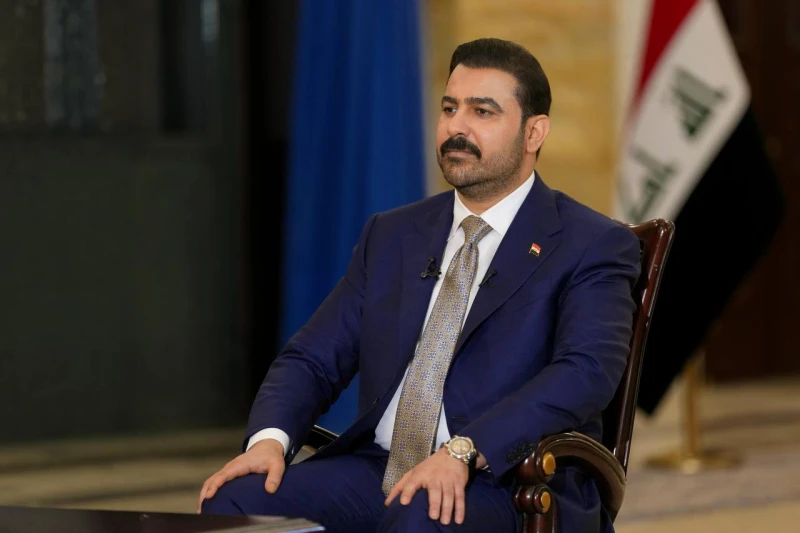
Earlier in March, Barzani submitted a proposal to Iraqi Prime Minister Mohammed Shia’ al-Sudani for a comprehensive solution to accommodate Baghdad’s request to use Erbil’s pipelines for oil exports, while also addressing Erbil’s grievances regarding customs and the ongoing trade embargo.
The New Region obtained information regarding the content of the letter, according to which the Kurdish leader suggested that a special version of the system be created for the Kurdistan Region, with the Kurdistan Regional Government (KRG) supervising it.
Per Barzani's proposal, the KRG will retain the customs revenues and forward 50 percent of them to Baghdad within the framework of the Erbil-Baghdad budget agreement.
According to the proposal, the system would be implemented within nine months, and in return, Baghdad would lift the existing economic embargo on the Kurdistan Region and stop blocking dollar access for the Kurdistan Region's traders.
Iraq’s oil ministry on Sunday accused the Kurdistan Region of refusing "to resume exports at this time,” demanding that Erbil resume exports "immediately".
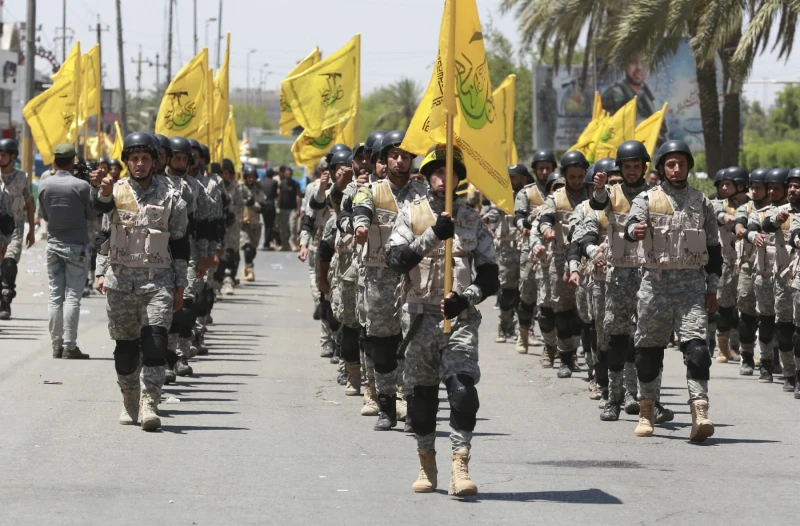
Hours later, the Region’s Ministry of Natural Resources responded to Baghdad’s statements, blaming the Iraqi government for overlooking an ongoing economic embargo on the Region and failure to put an end to state-linked pro-Iran factions’ attacks on infrastructure.
Attacks on Kurdistan
The Kurdistan Region has repeatedly been targeted by Iran and its proxy militias in Iraq since the onset of the US-Israeli war on Iran, under the pretext of housing US bases and interests.
However, the strikes have also targeted vital civilian infrastructure, such as telecommunications towers, diplomatic missions of Arab states, and hotels.
In his speech, Barzani said that “there is no justification” for the attacks on the Kurdistan Region, stressing, “The federal government is responsible for stopping them.”
He further stated that some of the groups attacking the Kurdistan Region “get their salaries from the federal government, and are armed and funded by the federal government.”
The prime minister called on the international community, “and especially the federal government,” to prevent the attacks on the Kurdistan Region and stop the “outlaw groups and forces that continuously attack the Kurdistan Region with drones.”
Most of the drone and rocker strikes on Erbil have been intercepted by an aerial defense system in place at a US military base near Erbil International Airport and the US Consulate General in Erbil.
“We thank the [US-led] coalition, that have a very good role in intercepting these drones and missiles,” Barzani said.
 Facebook
 LinkedIn
 Telegram
 X
X