ERBIL, Kurdistan Region of Iraq - The World Bank has signed off on a $900 million financing package to enhance Iraq and the Kurdistan Region’s road infrastructure, aiming to facilitate safer traveling and support key road corridors for domestic mobility and regional connectivity.
In a statement released on Friday, the bank said its Board of Executive Directors approved the package on Thursday, noting that roads account for 90 percent of transportation in Iraq, though they remain “underdeveloped and vulnerable to deterioration, climate pressures, and road safety risks.”
“Although most of the network is paved, a large share is estimated to be in moderate to poor condition, constraining trade, access to services, and economic opportunity. At the same time, the sector is an important source of employment, with road construction and rehabilitation generating jobs and supporting broader economic activity,” the statement added.
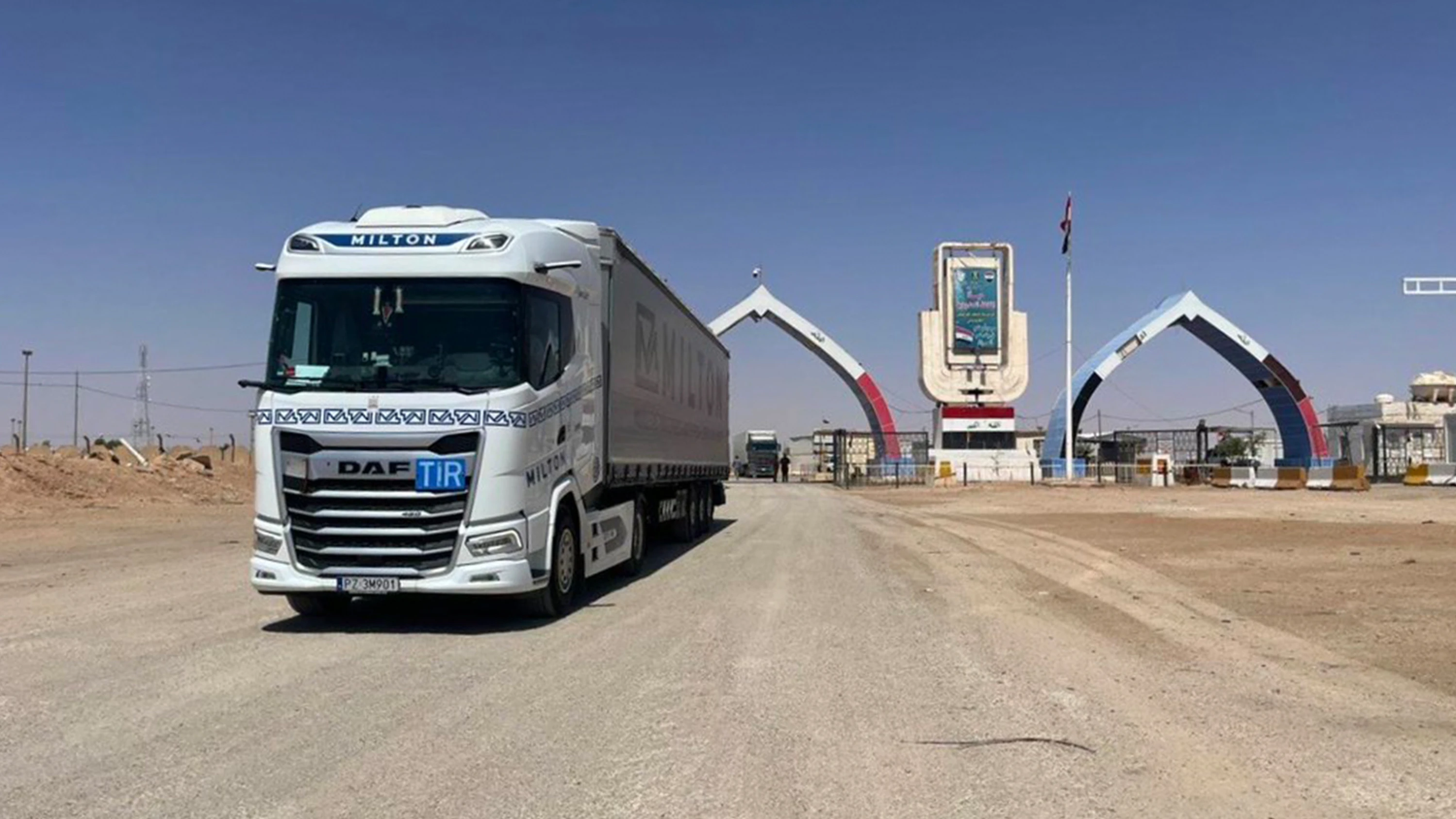
The project will involve a north-south corridor called Expressway 1 (E1), linking Baghdad to the Turkish border through the Kurdistan Region, and another east-west corridor called Expressway (E2), linking Baghdad with Syria and Jordan.
The roads will run 50 kilometers through Sulaimani province and 22 kilometers through Duhok province, according to the Kurdistan Region’s Ministry of Construction and Housing.
The ministry noted that the Kurdistan Region's share of the package is $80 million, adding that the approval comes following several meetings by its minister Dana Abdulkarim in Washington.
“Together, these investments will strengthen the operation and climate resilience of Iraq’s national road network and lay the foundation for future phases that can help mobilize private capital and expand the broader transport corridor agenda,” the bank said.
“The investments are also expected to enhance road safety, improve maintenance practices, and support economic diversification and access in sectors such as tourism, agriculture, health, and manufacturing.”
It is also expected to benefit an estimated 7.9 million people living close to the roads, according to the bank.
Poor road conditions, excessive speeding, and failure to abide by traffic signs, rules, and regulations are the key causes of fatal car accidents in Iraq and the Kurdistan Region.
Car accidents are a major cause of death in Iraq due to the poor state of roads.
Around 1.1 million people die each year as a result of road traffic accidents globally, with over 90 percent of the accidents occurring in low and middle-income countries, according to the World Health Organization (WHO).
During the tenure of the ninth Kurdistan Regional Government’s (KRG) cabinet under Prime Minister Masrour Barzani, over 700 road projects have been implemented as the government has tried to revamp the traffic sector.
 Facebook
 LinkedIn
 Telegram
 X
X