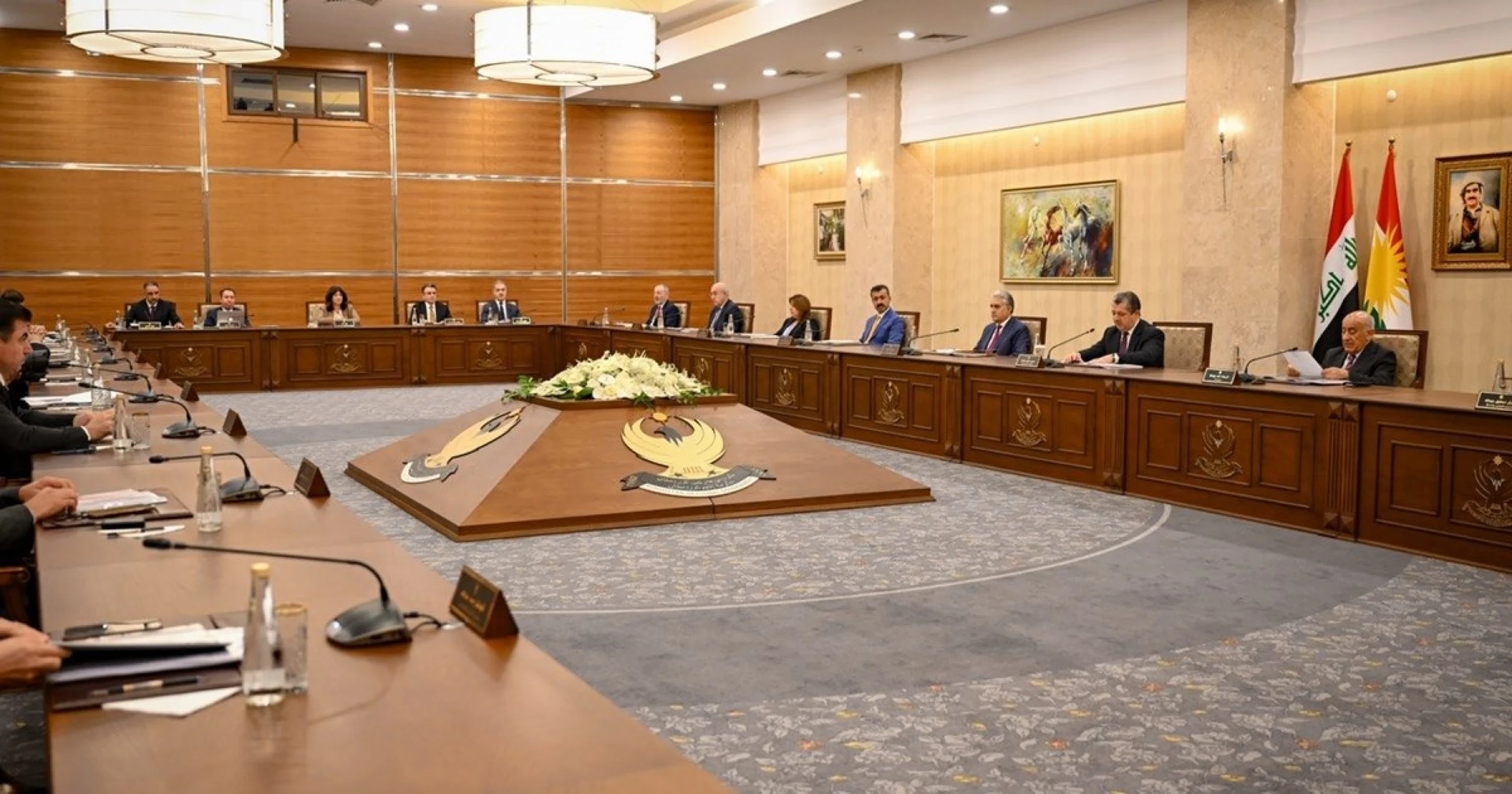
ERBIL, Kurdistan Region of Iraq – The Kurdistan Region’s Council of Ministers is set to meet on Tuesday to find an “appropriate mechanism” to end the fuel crisis, the natural resources ministry told The New Region, amid rising prices of commercial fuel.
Fuel shortages in the Kurdistan Region – caused by the renewed regional conflict and higher cost of materials needed to produce higher qualities of fuel – have resulted in reduced supply at gas stations and higher prices.
The shortage has led the Kurdistan Regional Government (KRG) to intervene and attempt to resolve the crisis.
“A meeting is being held today in the Council of Ministers to discuss an appropriate mechanism to end the fuel crisis,” a KRG natural resources ministry source told The New Region.
The meeting is set to “carefully examine” the need to monitor the price of fuel, according to the source. A liter of “Normal” petrol stands at 1,275 dinars, while “Improved” and “Super,” which have higher octane rates, are selling for 1,750 and 1,990, respectively, at the time of writing this article.
“All data has been compiled on fuel quantities and the number of gas stations distributing petrol,” the source added.
Kurdistan Region Prime Minister Masrour Barzani last week met representatives from the natural resources ministry and other relevant authorities, directing them to resolve the issue “as soon as possible, in a way that takes into account the interests of the citizens of the Kurdistan Region.”
During the meeting, the Kurdistan Region called on the Iraqi federal government to increase Erbil’s allocated share of crude oil from the currently allotted 50,000 barrels to 126,700 barrels, in accordance with the Region’s population, which makes up 12.67 percent of Iraq’s total population.
Last week, the Council of Ministers tasked relevant authorities with presenting Erbil’s “unified position and list of demands” for the 2027 federal budget, aiming for a share that accurately reflects the Kurdistan Region’s population.
 Facebook
 LinkedIn
 Telegram
 X
X