ERBIL, Kurdistan Region of Iraq – The leader of Iraq’s pro-Iran Kataib Sayyid al-Shuhada militia said Saturday that the withdrawal of the US-led coalition is “not a cause for concern” for the Kurdistan Region, as Kurdish authorities seek stronger air defenses and closer security coordination with Baghdad amid continued attacks on the Region.
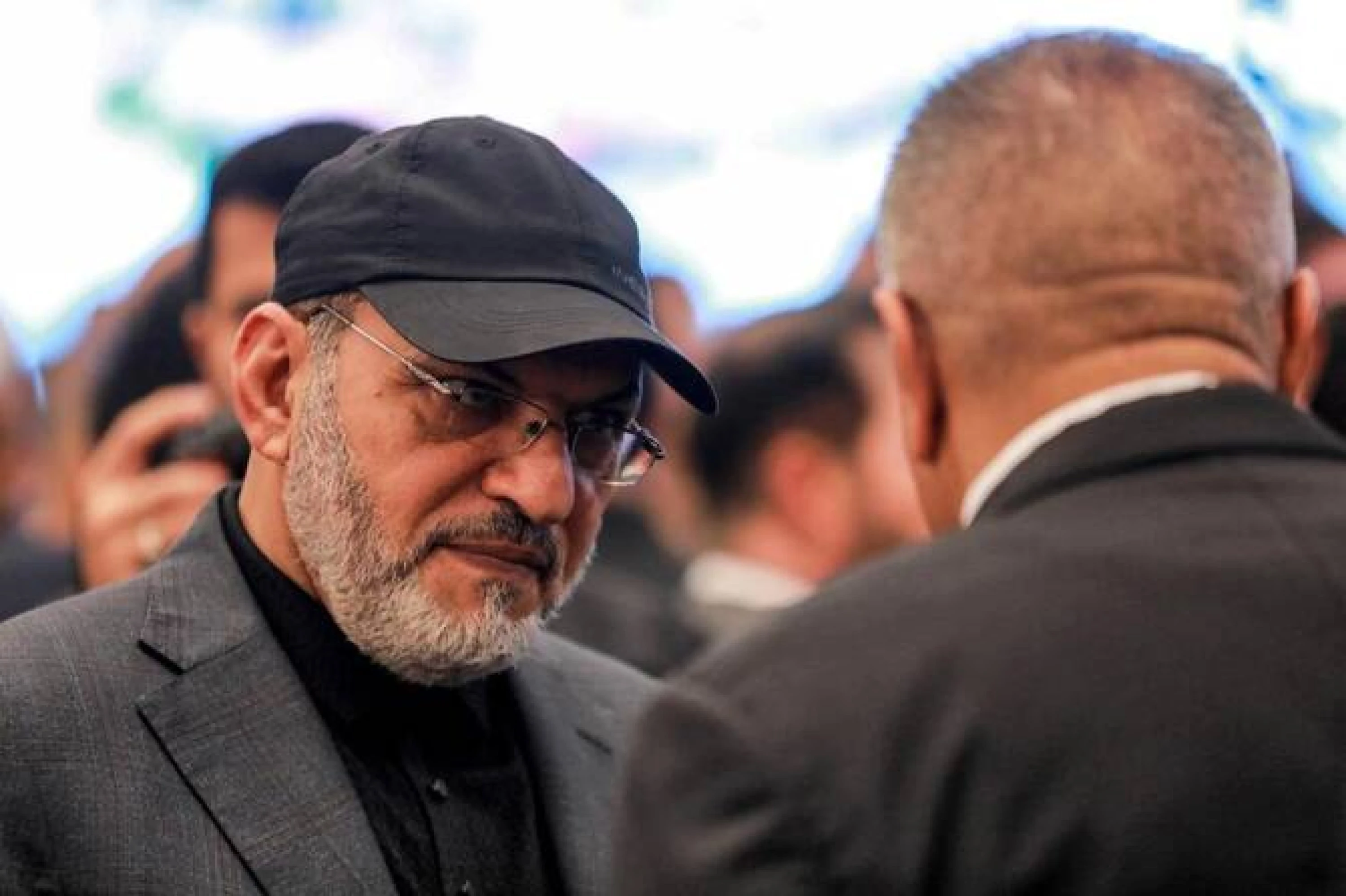
“The US withdrawal should not be a cause for anxiety; rather, it is an occasion to reaffirm the Iraqis' ability to protect their homeland and territory,” Abu Ala al-Walai, secretary-general of the armed group, said in a statement.
“We assure our brothers in the Kurdistan Region of Iraq that their security and stability are an integral part of Iraq’s security and stability, and that any threat facing the region is a national concern for all Iraqis,” the militia leader affirmed.
The remarks came days after the US-led coalition against the Islamic State (ISIS) completed its withdrawal from Iraq and the Kurdistan Region.
President Masoud Barzani on Wednesday assured that the Kurdistan Region’s Peshmerga, “in full coordination with federal Iraqi forces,” are ready to respond to any possible future threats, including “whether that threat comes under the name of ISIS or any other name.”
The Kurdistan Region has faced more than 1,000 drone and missile attacks from Iran and Iran-aligned Iraqi armed groups since the start of the Middle East war in late February. The strikes have targeted Iranian Kurdish opposition groups and their camps, Peshmerga bases and, increasingly, civilian and economic infrastructure, including oil and gas facilities and the homes and offices of senior Kurdish officials.
Kurdish authorities have maintained that the Region is neutral in the wider conflict and does not allow its territory to be used to threaten its neighbors.
Amid those threats, the Kurdistan Region has been seeking to strengthen its air-defense capabilities, with Kurdish officials repeatedly calling for advanced systems to protect its airspace and critical infrastructure.
Baghdad, meanwhile, has also moved to accelerate efforts to build national air-defense capabilities, with Prime Minister Ali al-Zaidi ordering the modernization timeframe to be shortened from six years to three. The Iraqi government has also simultaneously led a renewed drive to bring Iran-backed armed factions under state control.
Zaidi’s government initially set September 30 as the deadline for armed groups to hand over their weapons to the state, coinciding with the planned coalition withdrawal. Several pro-Iran factions rejected the notion, saying they would not surrender their weapons.
Zaidi has since shifted to a phased process extending into 2027. Under the plan, armed factions would first observe a 90-day period without attacks, with guarantees that they would not be targeted by US strikes, before moving toward the gradual handover of weapons and integration of fighters into state institutions.
Kataib Sayyid al-Shuhada, along with Ansar Allah al-Awfiya, another Iran-backed Iraqi militia, on Thursday confirmed their commitment to Zaidi’s timeline to disarm all non-state armed groups in the country by the end of June 2027.
Kataib Sayyid al-Shuhada is one of three factions that comprise the so-called Islamic Resistance in Iraq (IRI). The group’s individual stance comes despite a statement released under the IRI’s name a day earlier, which said that they are “not bound by any timeline or agreement” with the Iraqi government or political entities to disarm, despite the coalition’s withdrawal.
The US State Department’s Rewards for Justice program in late April offered up to $10 million for information leading to the location or identification of Walai, saying his group “have killed Iraqi civilians and attacked US diplomatic facilities in Iraq, as well as attacking US military bases and personnel in Iraq and Syria.”
The group was designated by the US State Department in September, alongside several others, accusing Iran of providing support that “enables these militias to plan, facilitate, or directly carry out attacks across Iraq.”
 Facebook
 LinkedIn
 Telegram
 X
X