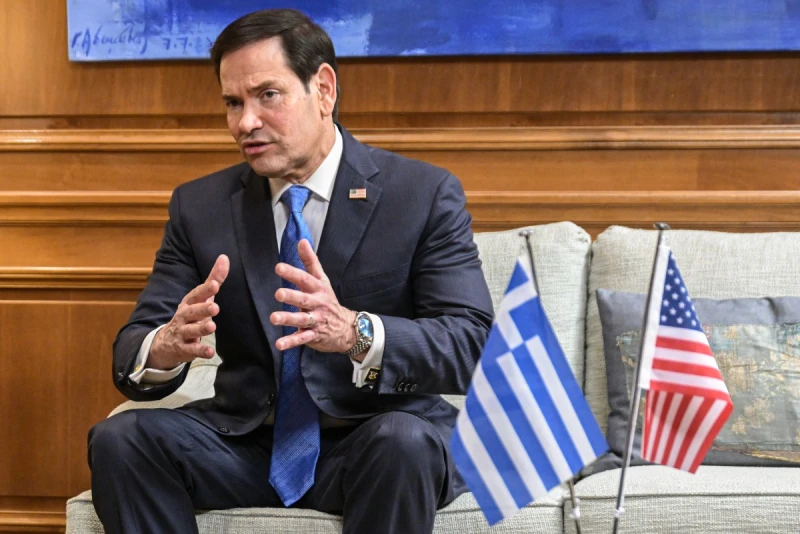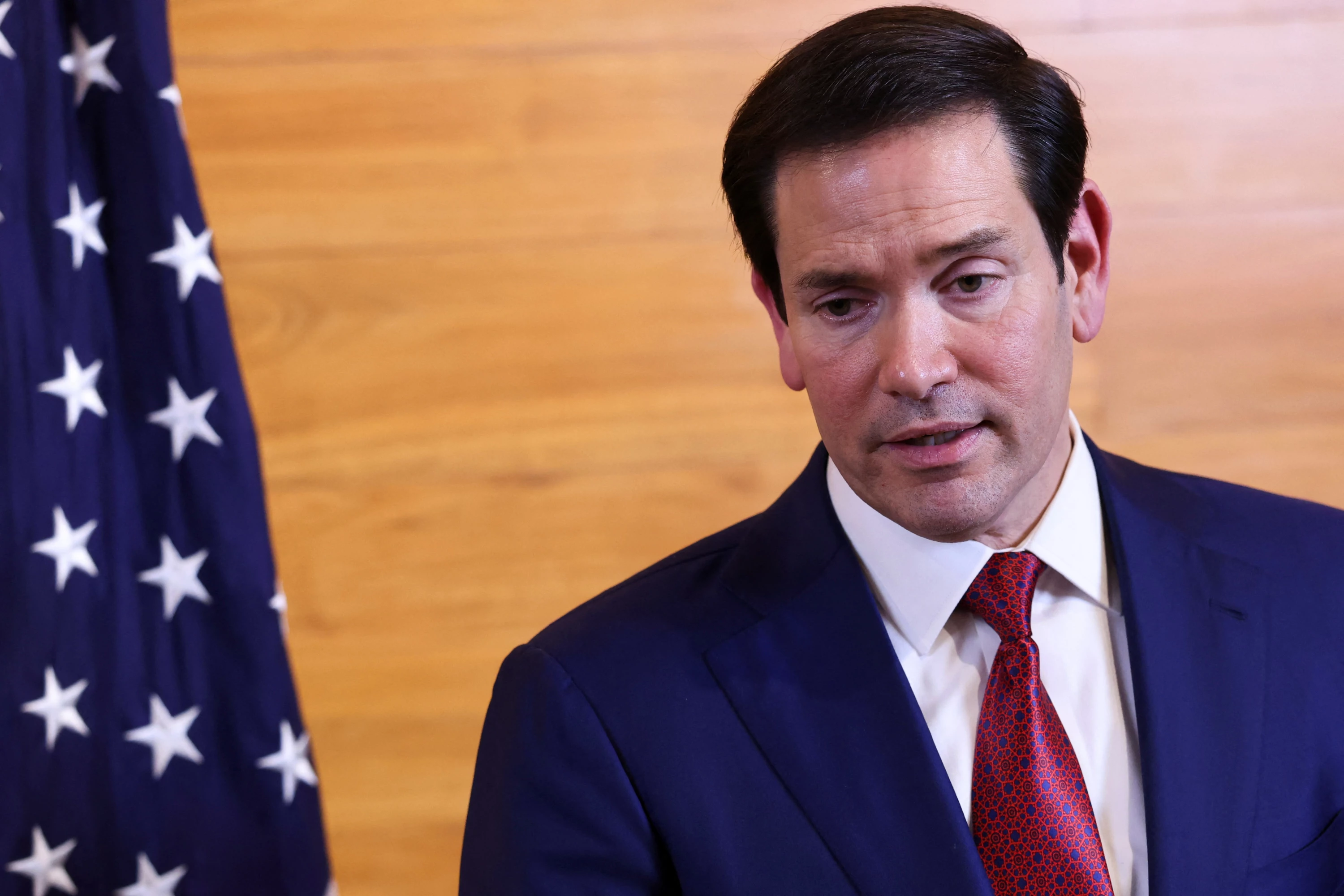
ERBIL, Kurdistan Region of Iraq – US Secretary of State Marco Rubio on Wednesday expressed concern over Tehran’s refusal to discuss its ballistic missile program, warning of efforts to advance the weapons capabilities threatening America’s security, ahead of talks in Geneva.
“The Iranian insistence on not discussing ballistic missiles is a big, big problem,” Rubio stressed.
He said that Iranian missiles “threaten the US and our bases in the region and our partners in the region, and all our bases in the UAE, Qatar, and Bahrain,” warning that the weapons “are solely designed to attack America and attack Americans if they choose to do so.”
While Iran remains under heavy international sanctions and pressure over its nuclear program, it has repeatedly said that its ballistic missile program is “not subject to negotiation,” insisting on its right to defend the country, as well as its right to pursue the peaceful use of nuclear energy.
Rubio also cited Iran’s efforts to expand the range of its existing missiles, warning that Tehran is “heading down the pathway to one day be able to develop weapons that can reach the continental US.”
“They are already possessing weapons that can reach much of Europe.”
Rubio’s comments come as the next round of US-Iran nuclear talks is set to be held in Geneva on Thursday.
Another concern raised by the US top diplomat was the matter of Iran’s nuclear program, warning of Tehran’s efforts to rebuild damaged facilities.
“After their nuclear program was obliterated, they were told not to try to restart it, and here they are, you can see them always try to rebuild elements of it, they’re not enriching [uranium] right now, but they are trying to get to the point where they ultimately can,” he said.
In June 2025, key Iranian nuclear facilities were subject to US and Israeli strikes that curbed a large part of the country’s nuclear program, which has long been a source of concern for Washington and its partners in the region, despite Tehran’s claims that its uranium enrichment is for “peaceful purposes.”
Following the June strikes, now known as the 12-day war, the UN nuclear watchdog lost access to key nuclear sites in Iran, with rising reports that Tehran is trying to rebuild its nuclear program.
Last week, US President Donald Trump said a possible nuclear deal with Iran could be decided within the next 10 days, warning that “really bad things” could happen if Tehran fails to reach a meaningful agreement.
 Facebook
 LinkedIn
 Telegram
 X
X