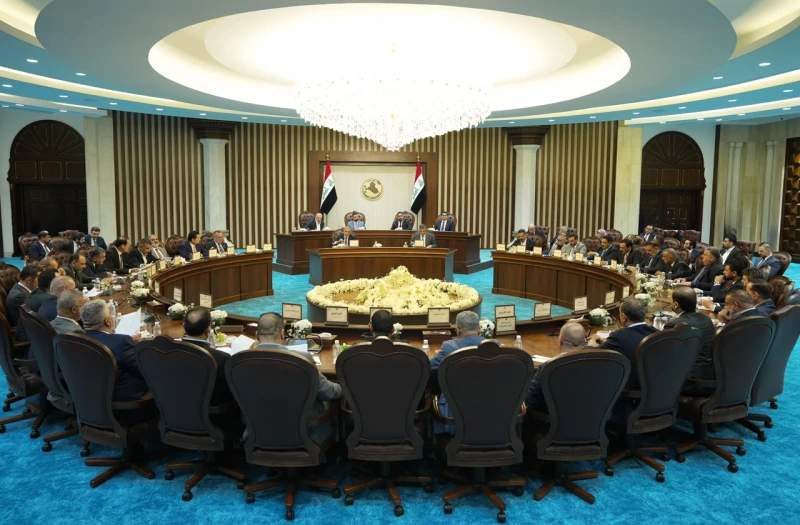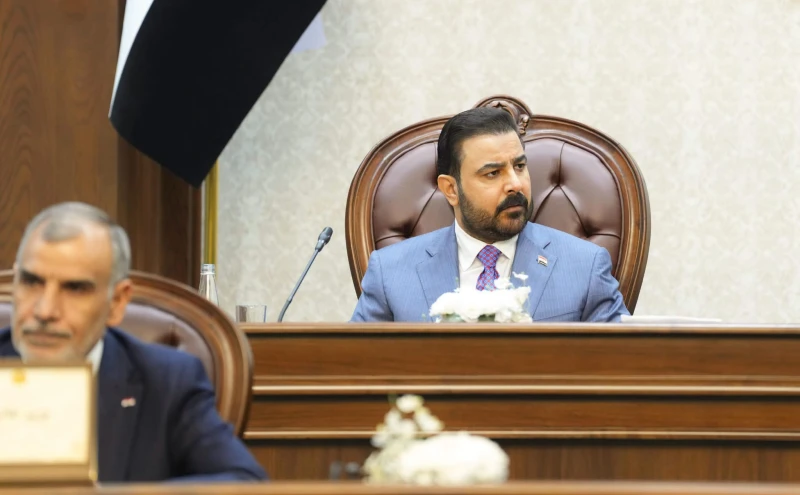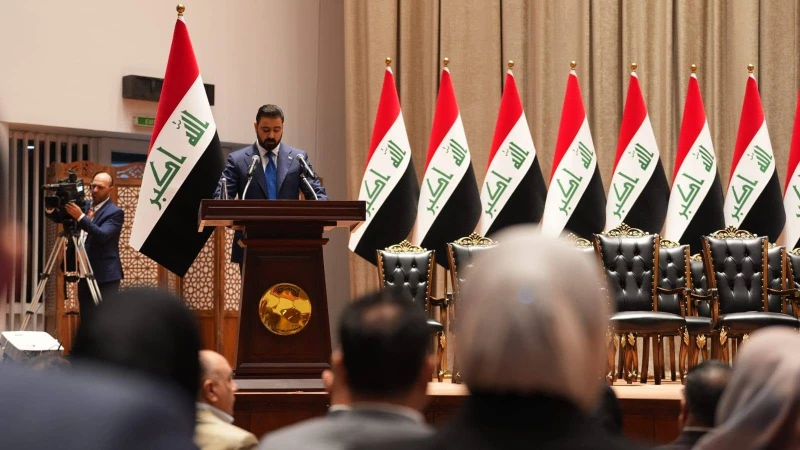
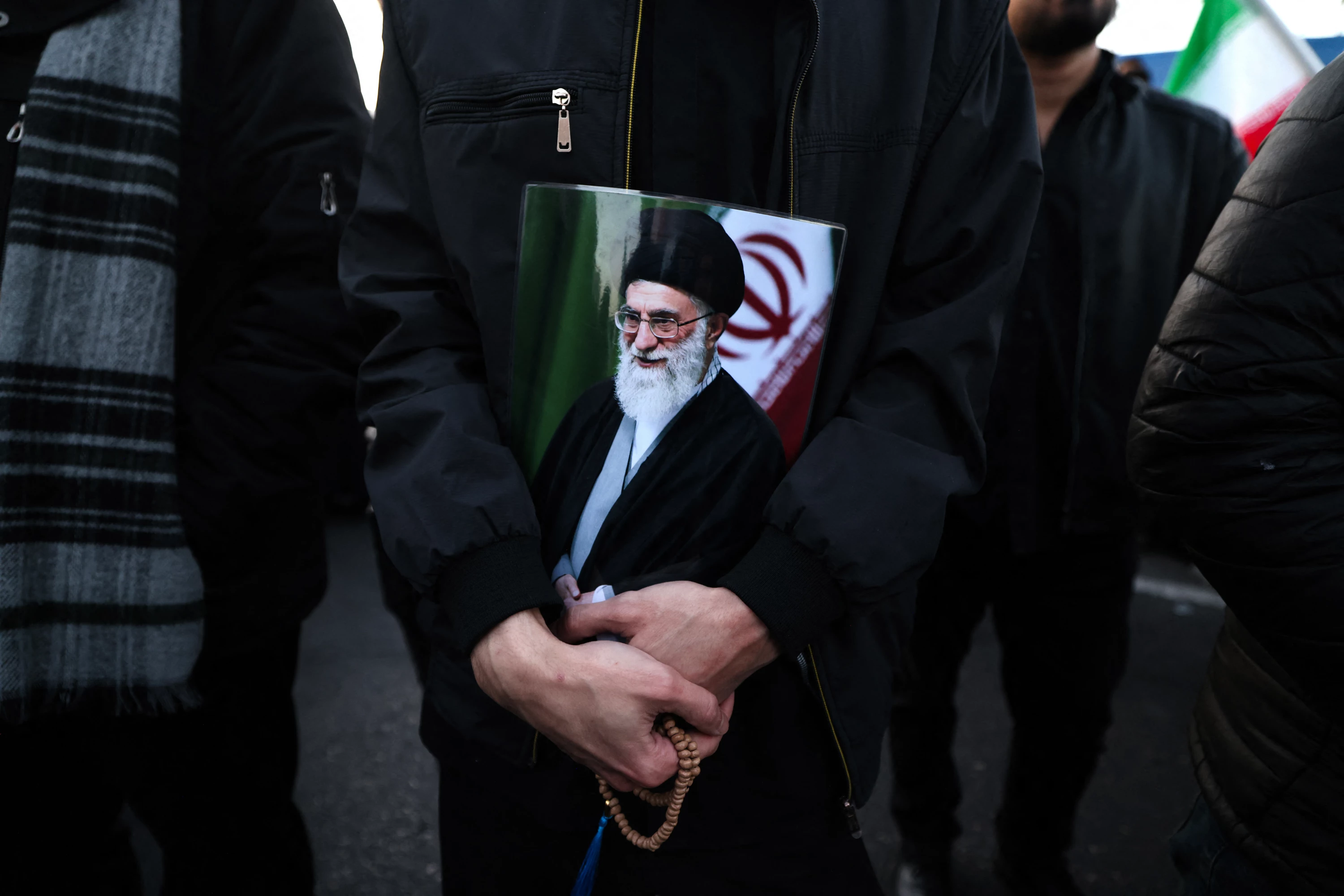
ERBIL, Kurdistan Region of Iraq - Iraqi top officials and parties on Sunday extended their condolences over the death of Iranian Supreme Leader Ayatollah Ali Khamenei, with the government declaring three days of mourning.
Khamenei, Iran’s long-ruling Supreme Leader, was killed in an American-Israeli strike on his compound in Tehran on Saturday.
The Iraqi Presidency expressed “profound sorrow and grief” over Khamenei’s death in a statement, extending condolences to the leadership and government of Iran, and affirming Iraq’s solidarity with the Iranian people. It also reiterated Baghdad’s call for deescalation and return to dialogue.
Khamenei “was a pivotal figure in the history of the Islamic Republic, and his name is linked to crucial junctures in the trajectory of the modern Iranian state. He played a prominent role in consolidating its institutions, defending its sovereignty, and championing the causes of his nation in accordance with his deeply held principles and vision,” read the Iraqi statement.
The Iraqi government offered condolences for Khamenei’s death in a statement attributed to spokesperson Basim al-Awadi, while announcing a three-day mourning period.
“Iraq renews its serious call for an immediate and unconditional halt to military operations and actions, which are driving the region to unprecedented levels of violence, fueling conflict, and undermining international peace and security,” read the statement from Awadi.
Iraq’s ruling Shiite Coordination Framework, which shares strong ties with Iran, also mourned the Iranian leader’s death, stating: “The blood of the martyred Imam and leader will remain a beacon for all generations and a constant cry against tyranny and oppressors.”
Joining the choir, Iraq’s top Shiite religious authority Ayatollah Ali al-Sistani offered condolences, while urging the people of Iran to maintain their unity, “and not allow the aggressors to achieve their sinister goals.”
“His Eminence's lofty position and unique role in leading the Islamic Republic of Iran for many years are evident to all. Undoubtedly, the enemies intended, through his martyrdom and the launching of a wide-scale military aggression against Iran, to inflict immense harm upon this beloved country,” read the statement from Sistani.
Iraq’s Popular Mobilization Forces (PMF) condemned the attack on Khamenei as “a fully-formed act of terrorism that constitutes a flagrant violation of international law and human norms.”
The strikes on Saturday also killed a number of top brass Iranian military leaders, including top Khamenei aide Ali Shamkhani, Chief of General Staff of the Armed Forces Abdolrahim Mousavi, Defense Minister Aziz Nasirzadeh, and Islamic Revolutionary Guard Corps (IRGC) chief Mohammad Pakpour.
Statements also poured in from top figures across the Iraqi political scene, including judiciary chief Faiq Zidan, head of the National Wisdom (Hikma) Movement Ammar al-Hakim, prominent Shiite cleric Muqtada al-Sadr, Asaib Ahl al-Haq leader Qais al-Khazali, and many others.
Protests by pro-Iran demonstrators were held in Baghdad’s fortified Green Zone on Sunday morning, leading to clashes with security forces.
The United States and Israel on Saturday morning launched a large-scale military offensive across Iran, following months of escalating tensions between the two sides. The attacks targeted many of Iran’s political and military leaders, including Khamenei’s residence.
Iran has declared 40 days of mourning for the late leader.
Khamenei, 86, from Mashhad, was Iran’s highest political and religious authority for nearly 37 years, marking the longest-serving leader since the Islamic Revolution.
He was a leading opponent of the US and Israel, advancing the Islamic Republic’s ideology by supporting regional proxies against both countries, and calling for their elimination.
 Facebook
 LinkedIn
 Telegram
 X
X