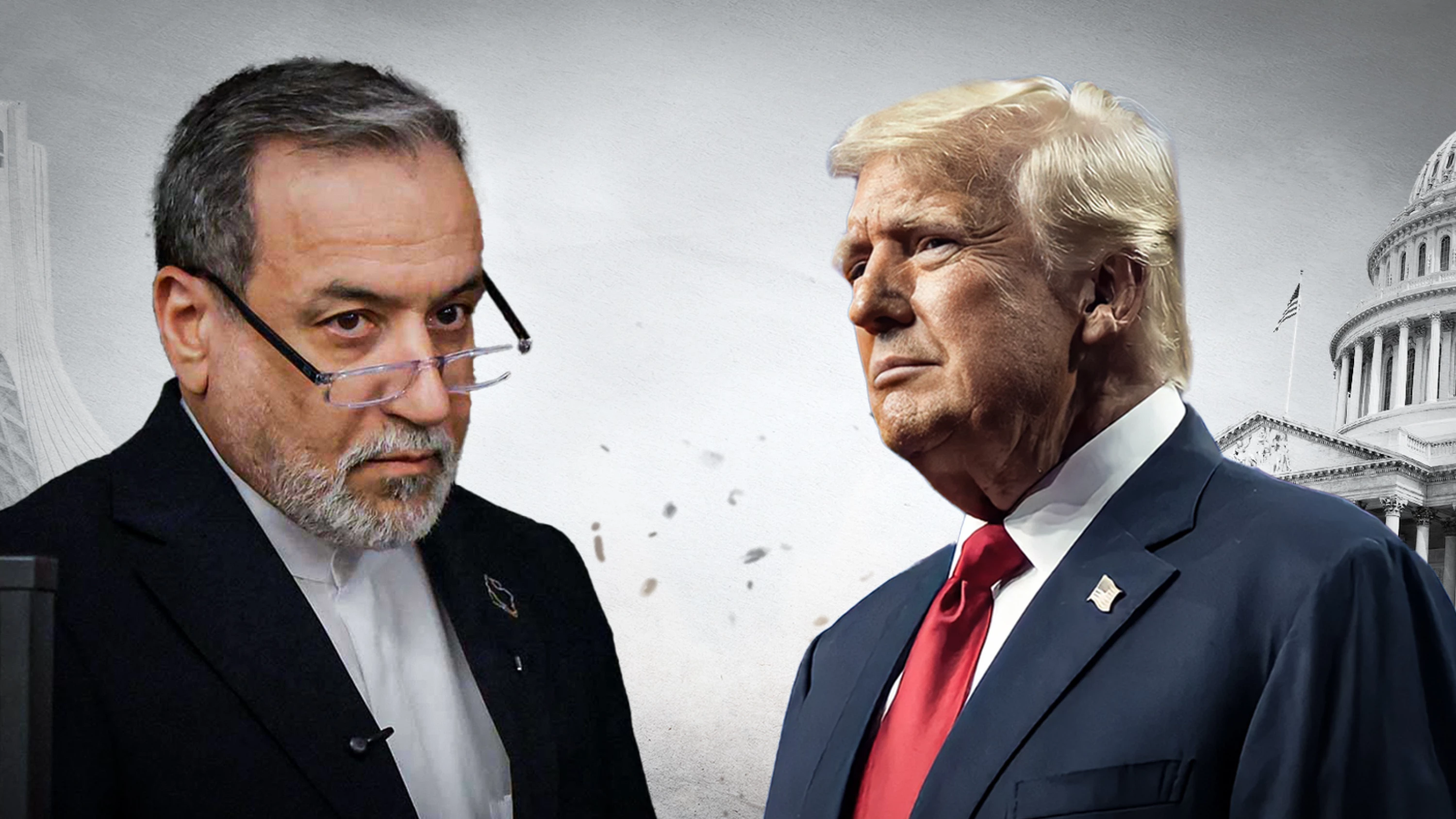
ERBIL, Kurdistan Region of Iraq – Iranian Foreign Minister Abbas Araghchi on Wednesday accused US President Donald Trump of betraying diplomacy by attacking Iran “out of spite” after failing to reach an agreement due to his “unrealistic expectations.”
“When complex nuclear negotiations are treated like a real estate transaction, and when big lies cloud realities, unrealistic expectations can never be met. The outcome? Bombing the negotiation table out of spite,” Araghchi wrote on X.
“Mr. Trump betrayed diplomacy and Americans who elected him,” the minister added.
The US and Israel on Saturday morning launched a large-scale military offensive across Iran. The strikes came less than two days after Iranian and American diplomats held indirect negotiations through Omani mediators - the third of its kind in February, aimed at reaching a deal over Iran’s nuclear and missile programs.
All three sides had signaled varying degrees of progress made from the talks, and willingness to continue discussions on outstanding issues. With talks advancing, it was widely believed the chances of a US strike, previously mulled by Trump, had diminished.
Iranian officials have accused Washington of abandoning diplomacy and describing the attacks as surprising and unprovoked. The Americans on the other hand have blamed Iran’s refusal to halt its uranium enrichment and insistence on not discussing the missile file in the negotiations.
Tehran had dubbed Washington’s requests “unrealistic”, stressing its right to pursue its “peaceful” nuclear program and asserted that its right to self-defense through its missile program was not a subject of discussion.
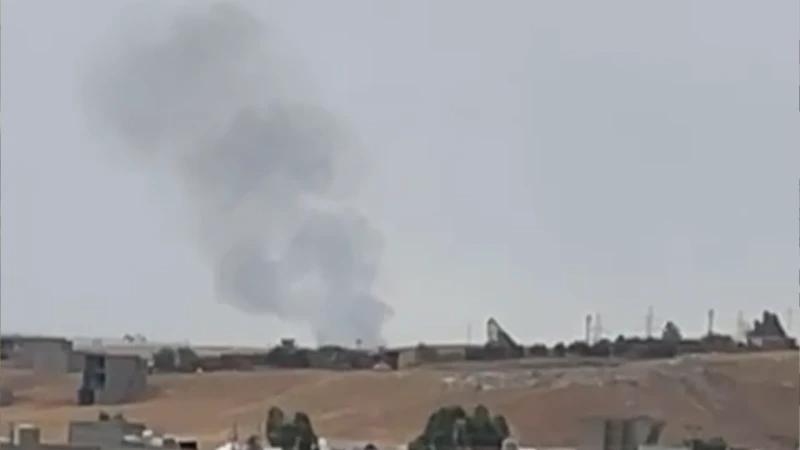
Iran has responded to the US-Israeli attacks by launching ballistic missiles and drones toward US interests across the region, killing at least six US personnel, while also causing heavy material damage and additional casualties in the countries hosting the bases.
“We couldn’t make a deal with these people,” Trump told CNN on Monday. Outlining his justification for the offensive in a letter to Congress, he cited threats emanating from Tehran, which he dubbed one of the largest “state-sponsors of terrorism,” Iran’s alleged insistence on possessing a nuclear weapon, as well as the range and capabilities of its missile program.
Iran also accused the US of committing a “betrayal to diplomacy” last year, after the US joined Israel in striking Iran during the 12-Day War, which also came amidst indirect negotiations between Tehran and Washington.
 Facebook
 LinkedIn
 Telegram
 X
X