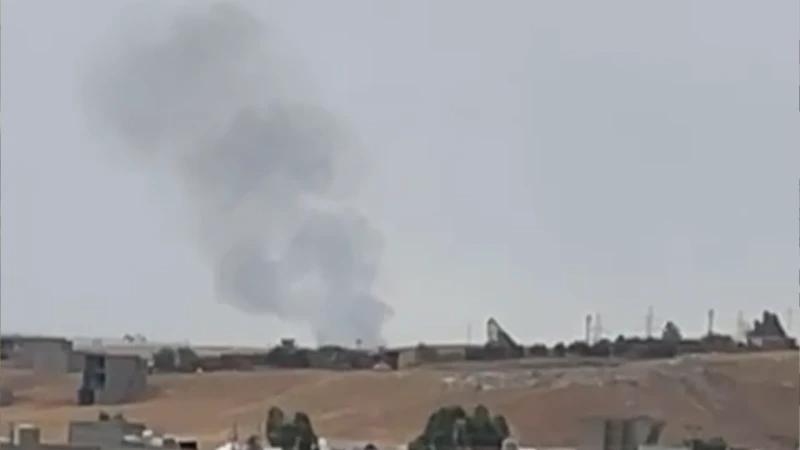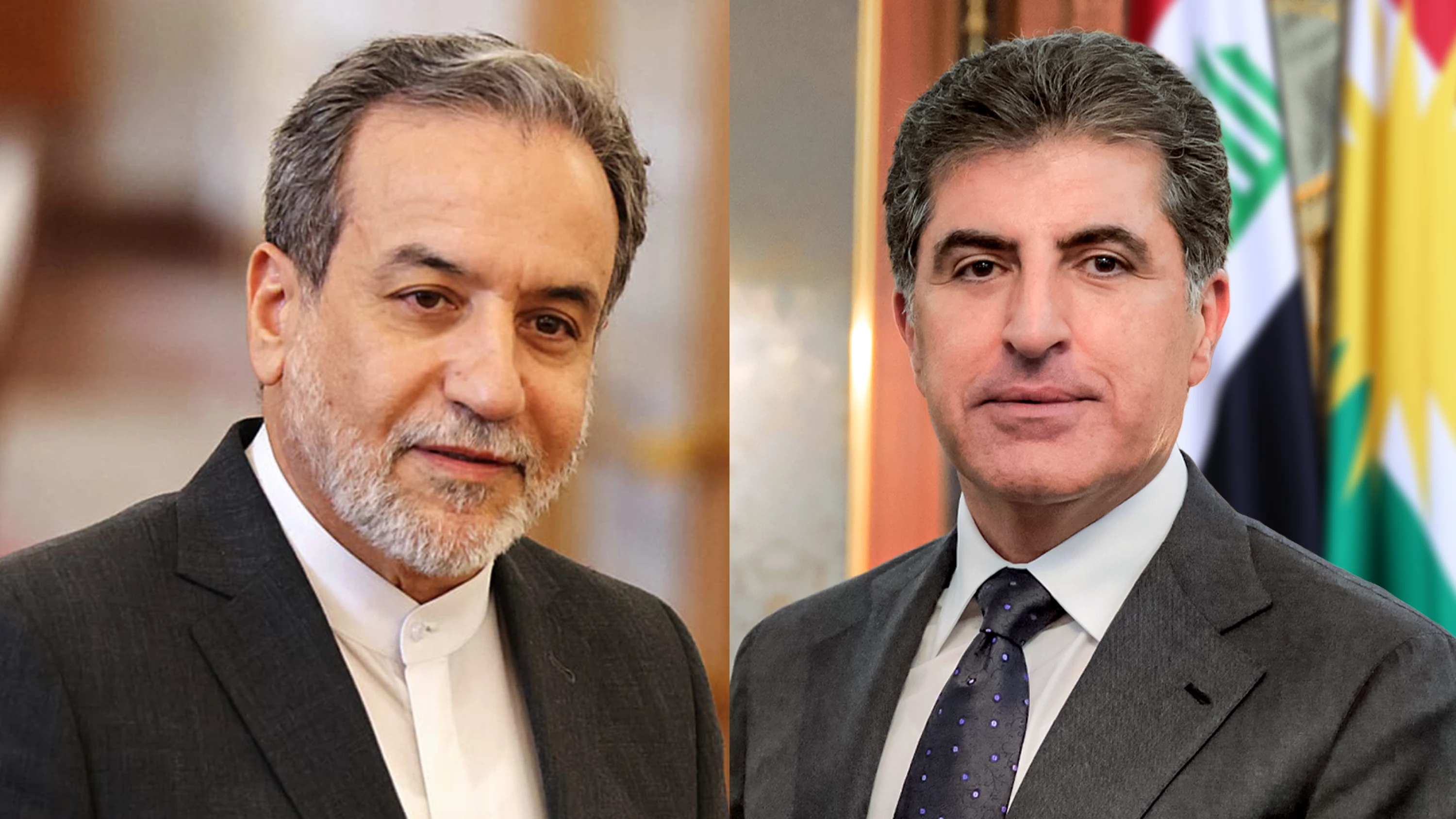
ERBIL, Kurdistan Region of Iraq - Kurdistan Region President Nechirvan Barzani on Wednesday held a phone call with Iranian Foreign Minister Abbas Araghchi, telling the Iranian diplomat that the Region “will not be part of conflicts” as Iranian missiles continue to fall on Erbil.
The developments come as regional tensions rise, with the US and Israel launching a large-scale military offensive across Iran on Saturday morning, and Tehran responding with ballistic missiles and drones targeting US bases across the region.
The Kurdistan Region has been repeatedly targeted since the start of the war by both the Iranian military and pro-Iran militia groups inside Iraq, who cite the presence of US military bases as their rationale.
Nechirvan Barzani “reaffirmed that the Kurdistan Region will not be part of conflicts,” while expressing support for diplomatic efforts to “de-escalate tensions and keep the dangers of war away from the peoples of the region,” according to a statement from the Kurdistan Region Presidency.
Araghchi also accused the United States of military aggression against Tehran for a second time during nuclear negotiations, calling it Washington’s “war‑mongering” that has caused “insecurity in the entire region and widespread global consequences, for which the responsibility lies solely with the aggressors,” an Iranian foreign ministry statement added.
The two officials discussed ways to “strengthen cooperation” between Tehran and Erbil, especially focusing “on the Memorandum of Understanding on Cooperation,” it continued.
In August Baghdad and Tehran signed a joint security understanding “concerning security coordination along the shared borders between the two countries,” following on from a 2023 accord that saw Iraq pledge to disarm and relocate Iranian dissident groups operating on its territory.
The statement also said Tehran and Erbil stressed the importance of “securing the borders in a manner that prevents any attempt to undermine regional stability and further complicate the situation.”
On Tuesday, the Islamic Revolutionary Guard Corps (IRGC) said that it used about “30 drones” to strike Kurdish opposition groups based in the Kurdistan Region, vowing a “decisive and rapid confrontation," while claiming the groups aim to infiltrate and act against the Iranian state.
Earlier in February, Kurdish opposition groups from western Iran (Rojhelat) formed a joint coalition aimed at toppling the Iranian government, with the Komala Party of Iranian Kurdistan announcing on Wednesday it had joined the alliance, bringing the total number of groups in the coalition to six.
On the same day as the US Secretary of Defense, when asked about the role of Kurdish opposition groups in assisting the US-Israeli military campaign against Iran, played down previous reports indicating that Washington will depend on an armed Kurdish insurgency to divert Iranian military personnel.
The dissident parties, many of whom are based in the Kurdistan Region, have long been military targets for Iran, drawing concerns from the Kurdistan Regional Government (KRG) over the Region’s security.
 Facebook
 LinkedIn
 Telegram
 X
X