ERBIL, Kurdistan Region of Iraq - Iran’s foreign ministry said Monday that Tehran believes in “good neighborliness,” but claimed that some of its neighboring territories have been “misused for actions against Iran,” when asked about continued attacks on the Kurdistan Region.
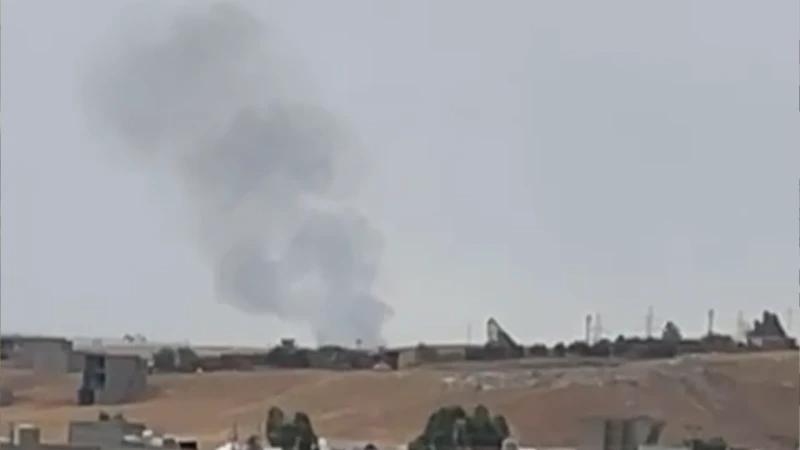
Since the start of the US-Israel war with Iran, the Kurdistan Region, despite maintaining a neutral stance, has been targeted by hundreds of drone and missile attacks which have continued amid a shaky ceasefire between the warring parties.
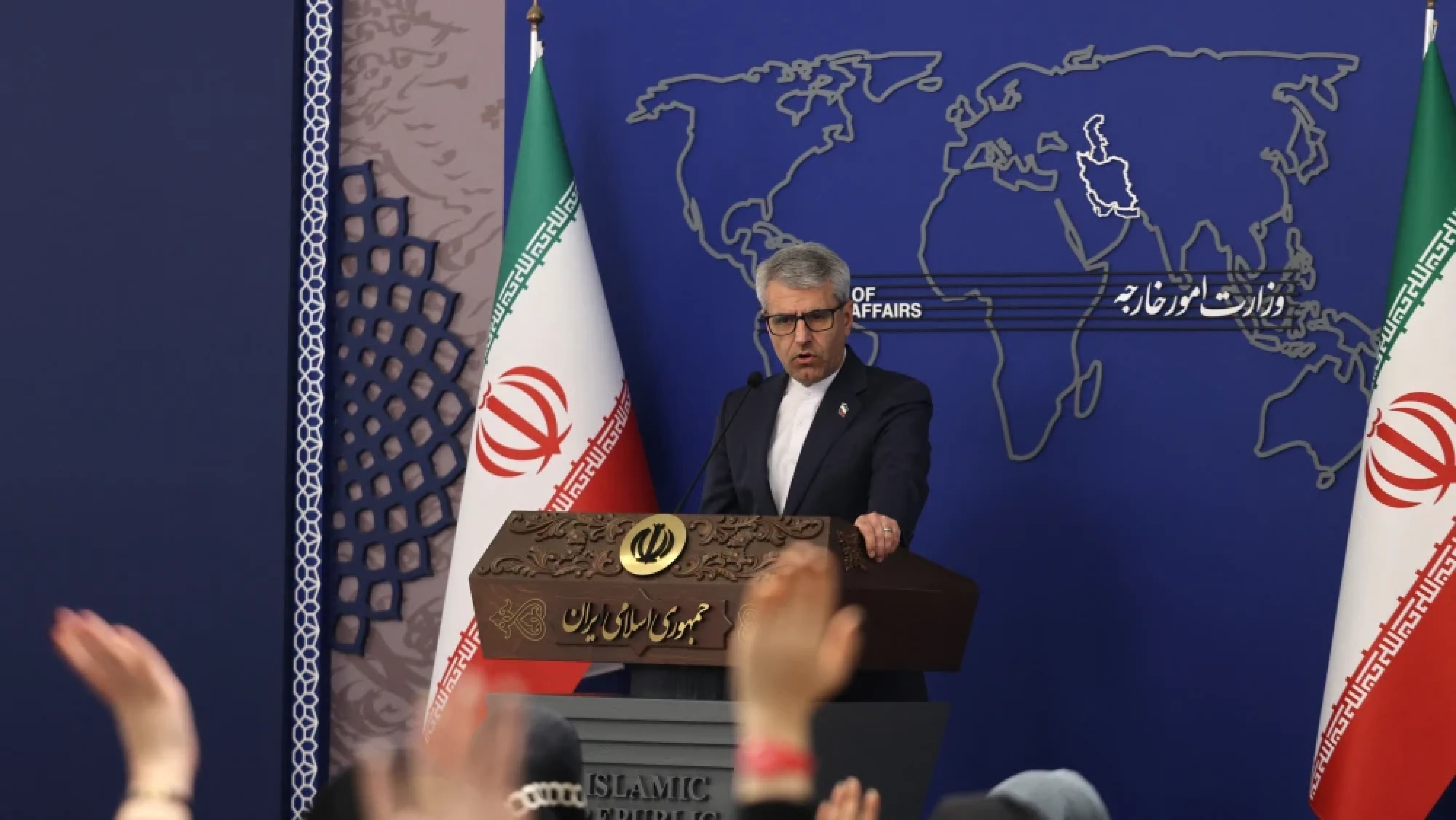
When asked about the attacks, foreign ministry spokesperson Esmail Baghaei told reporters, “we believe in good neighborliness with all countries in the region, including Iraq and the Gulf countries, and this is also true for the Kurdistan Region.”
“However, we have faced situations where the territory of these countries has been misused for actions against Iran. It is Iran's inherent right to take measures to defend its interests,” he added.
Iranian authorities have previously claimed that people had been trained by Israeli intelligence in the Kurdistan Region to carry out operations against Iran — an allegation vehemently rejected by the Kurdistan Regional Government (KRG).
Last month, Iran’s state broadcaster aired a documentary showing what it described as legal proceedings and confessions involving two citizens who were hanged on espionage charges.
The program claimed the men had been “trained for terrorist operations” through individuals in the Kurdistan Region, including a liaison for Israel’s intelligence service, as well as members of Kurdish opposition groups who allegedly recruited and sent them back to Iran to get information on sensitive Iranian locations.
The KRG has rejected the allegations, stating that “linking the Kurdistan Region to such matters is unfounded and does not reflect the reality on the ground.”
Last week, the KRG said the Kurdistan Region has been targeted in a total of 809 attacks since the beginning of the war under what it referred to as “unfounded pretexts.”
Earlier in April, the Community Peacemaker Teams (CPT) reported that even after the US-Iran ceasefire took effect on April 8, the Kurdistan Region had been targeted nearly 50 times by Iran and pro-Iran militias, with Iranian Kurdish opposition camps and bases as “the primary targets.”
According to CPT, 75 percent of post-ceasefire attacks were carried out by the Islamic Revolutionary Guard Corps (IRGC), while 25 percent were carried out by Iran-affiliated groups.
 Facebook
 LinkedIn
 Telegram
 X
X