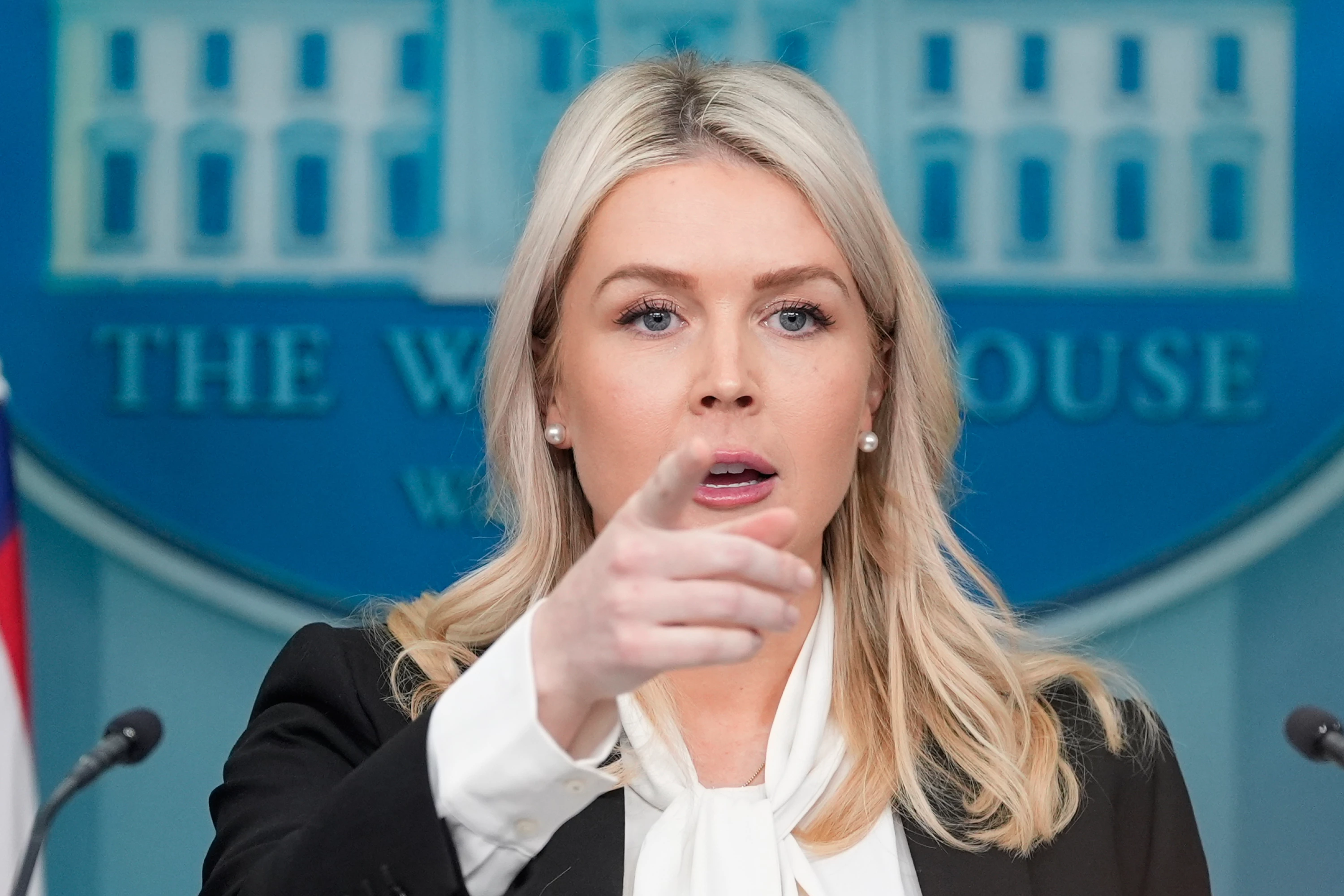
ERBIL, Kurdistan Region of Iraq - White House Press Secretary Karoline Leavitt on Wednesday said that reports that the US is arming Kurdish dissident groups to incite revolution against the Iranian government are "completely false," insisting that US President Donald Trump's engagement with Kurdish leaders is limited to discussing US military facilities in the Kurdistan Region.
A CNN report on Tuesday asserted that the US Central Intelligence Agency (CIA) has provided backing to Kurdish dissidents, paraphrasing one source as saying, "The idea would be for Kurdish armed forces to take on the Iranian security forces and pin them down to make it easier for unarmed Iranians in the major cities to turn out without getting massacred again as they were during unrest in January."
Trump on Tuesday held a phone call with General Secretary of the Kurdistan Democratic Party of Iran (KDPI) Mustafa Hijri, a KDPI source told The New Region, lending credence to the notion of the US supporting Kurdistan Region-based groups opposed to the Islamic Republic's government.
"Trump did speak to Kurdish leaders with respect to our base that we have in northern Iraq," Leavitt said at a presser when asked about the topic. "But as for any report suggesting that the president has agreed to any such plan, that is completely false and should not be written."
Her comments echoed similar sentiment expressed by US Secretary of Defense Pete Hegseth earlier in the day, who said, "None of our objectives are premised on the support or the arming of any particular force."
"What other entities may be doing we’re aware of, but our objectives aren’t centered on that."
In mid-February, a group of five leading Kurdish opposition parties from western Iran (Rojhelat) announced they would form a coalition under the title of the "Alliance of Political Forces of Iranian Kurdistan," including the KDPI, the Kurdistan Freedom Party (PAK), the Kurdistan Free Life Party (PJAK), the Organization of Iranian Kurdistan Struggle (Khabat), and the Komala of the Toilers of Kurdistan.
On Wednesday, the Komala Party of Iranian Kurdistan announced it would join the alliance, citing a "completely new phase" having been entered following the US-Israeli military campaign.
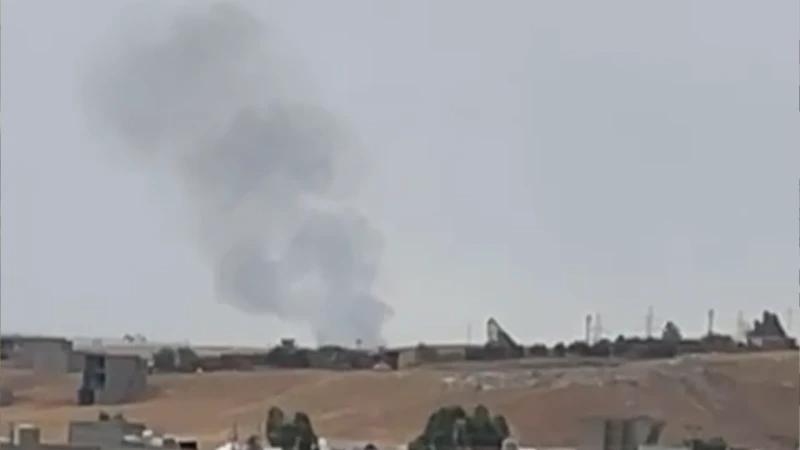
The Kurdistan Region has taken measures to safeguard its territory amid such rhetoric, with Kurdistan Region President Nechirvan Barzani telling Iranian Foreign Minister Abbas Araghchi on Wednesday that the Region "will not be part of conflicts," coming as Iranian missiles strike US military targets in Erbil and Kurdish dissident groups on a daily basis.
On Tuesday, Iran's Islamic Revolutionary Guard Corps (IRGC) said that it used about 30 drones to strike Kurdish opposition groups based in the Kurdistan Region, vowing a "decisive and rapid confrontation," while claiming the groups aim to infiltrate and act against the Iranian state.
 Facebook
 LinkedIn
 Telegram
 X
X