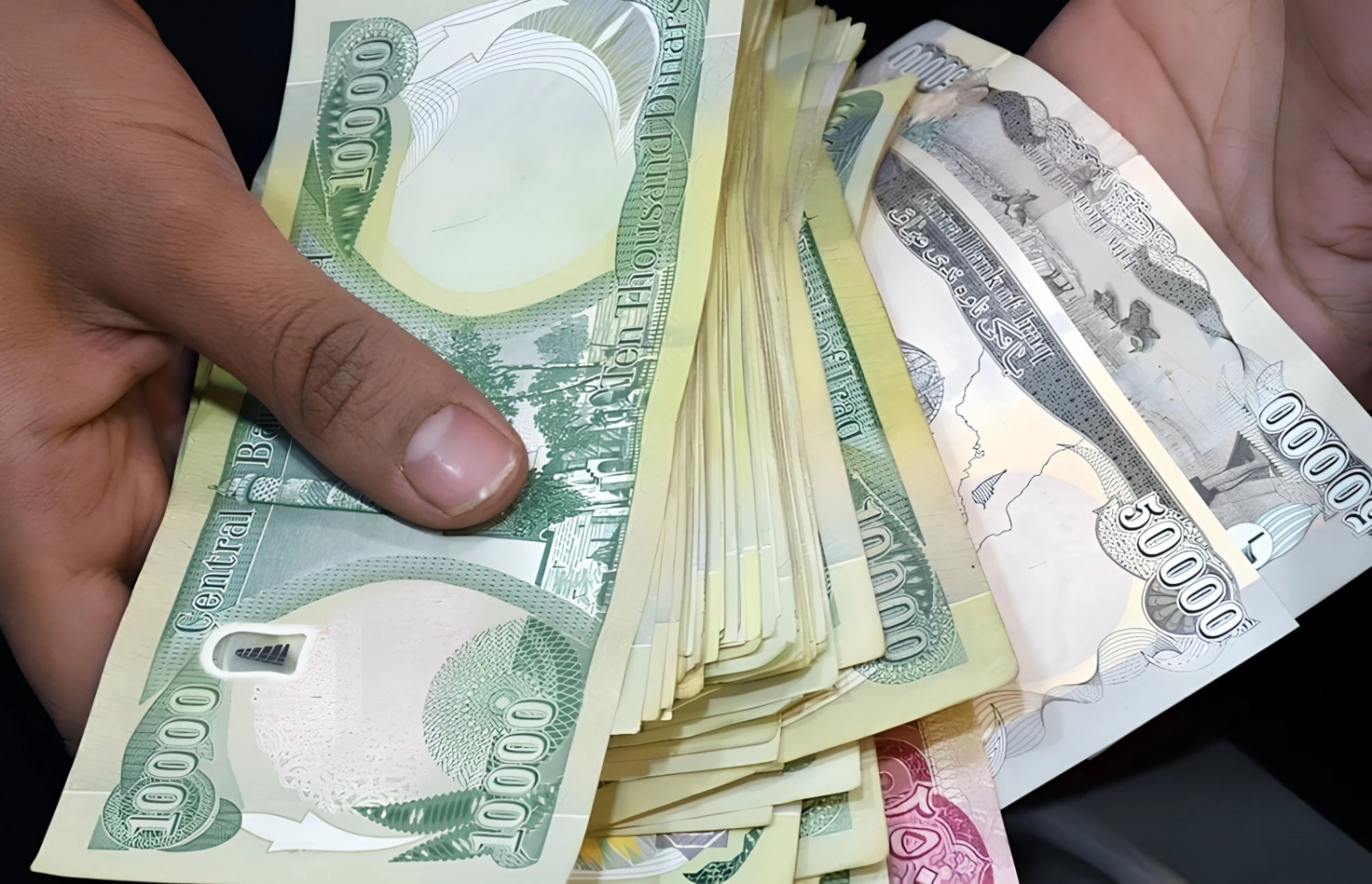
ERBIL, Kurdistan Region of Iraq – Iraq’s oil sale revenues held at the US Federal Reserve have not yet been transferred back to the country since the start of the year due to flight suspensions prompted by the ongoing regional conflict, leading to a “severe crisis” and raising concerns over salary distributions, government sources said on Thursday.
The launching of a US-Israeli military offensive against Iran in late February, and the subsequent retaliation campaign by Tehran which has seen the targeting of myriad regional countries, has caused extensive disruption to Iraqi oil exports, with Oil Minister Hayyan Abdul Ghani saying Thursday that production has diminished from over four million barrels per day to merely 1.4 million now.
Iraq’s monthly oil revenues are deposited into its account at the US Federal Reserve, which are normally transferred back to the country accordingly.
In January and February, none of the revenue came through; a transfer was scheduled for the beginning of March, but after the flights were suspended due to the US-Israeli war on Iran, the transfer route was cut off.
“All of Iraq's cash reserves that it claims to have are dependent on oil revenues held in the United States. Now that the routes are closed, those revenues are inaccessible, and Iraq has fallen into a severe crisis,” an Iraqi government source told The New Region.
If the war continues, “it is not impossible that Iraq will be unable to pay the salaries of its own employees and those of the Kurdistan Region,” the source added.
Baghdad has requested to export oil through the Kurdistan Region’s oil pipeline to allow for exports and cash access. However, the efforts have been unsuccessful due to customs disputes between Erbil and Baghdad.
“In just the 12 days of war that have passed, had Iraq been willing to resolve that issue with the Kurdistan Regional Government, it would have gained $500 million,” the source said, noting that “the scale of the loss grows larger every day."
Border crossing control has been a source of dispute between Erbil and Baghdad, with the Iraqi Border Crossing Authority aiming to centralize customs movements across the country, including the Kurdistan Region.
The demand has continuously been rejected by the Kurdish authorities, who accuse the other side of undermining the Region’s autonomy and trade systems.
 Facebook
 LinkedIn
 Telegram
 X
X