ERBIL, Kurdistan Region of Iraq - The Kurdistan Region’s health ministry on Sunday confirmed that no Crimean-Congo hemorrhagic fever (CCHF) cases have been recorded in the Region while central and southern Iraqi cases still pose a threat.
“There have been no cases until now. However, we expect them because after Eid al-Adha there are usually some cases due to the increased amounts of slaughters and handling meat the past two weeks,” Kurdistan Region Health Minister Saman Barzanji told The New Region.
CCHF fever is a serious viral disease transmitted between animals and humans, mainly through tick bites or contact with the blood and tissues of infected animals, raising concerns during livestock slaughter seasons and periods of increased animal movement.
Eid al-Adha, when Muslims slaughter animals as a sacrificial ritual to honor the prophet Abraham’s obedience to God, was recently celebrated in the Kurdistan Region and Iraq.
“For another, there was one case of an Iraqi citizen in Sulaimani who was treated and was sent home in good health but this was not a Kurdistan Region case, it was an Iraqi one,” Barzanji explained.
Last Sunday, Iraqi state media reported four deaths and 41 cases of CCHF since the year started, the highest number in the country so far.
According to the minister, the cases mostly come from Iraq which is why the Kurdistan Region is still at risk.
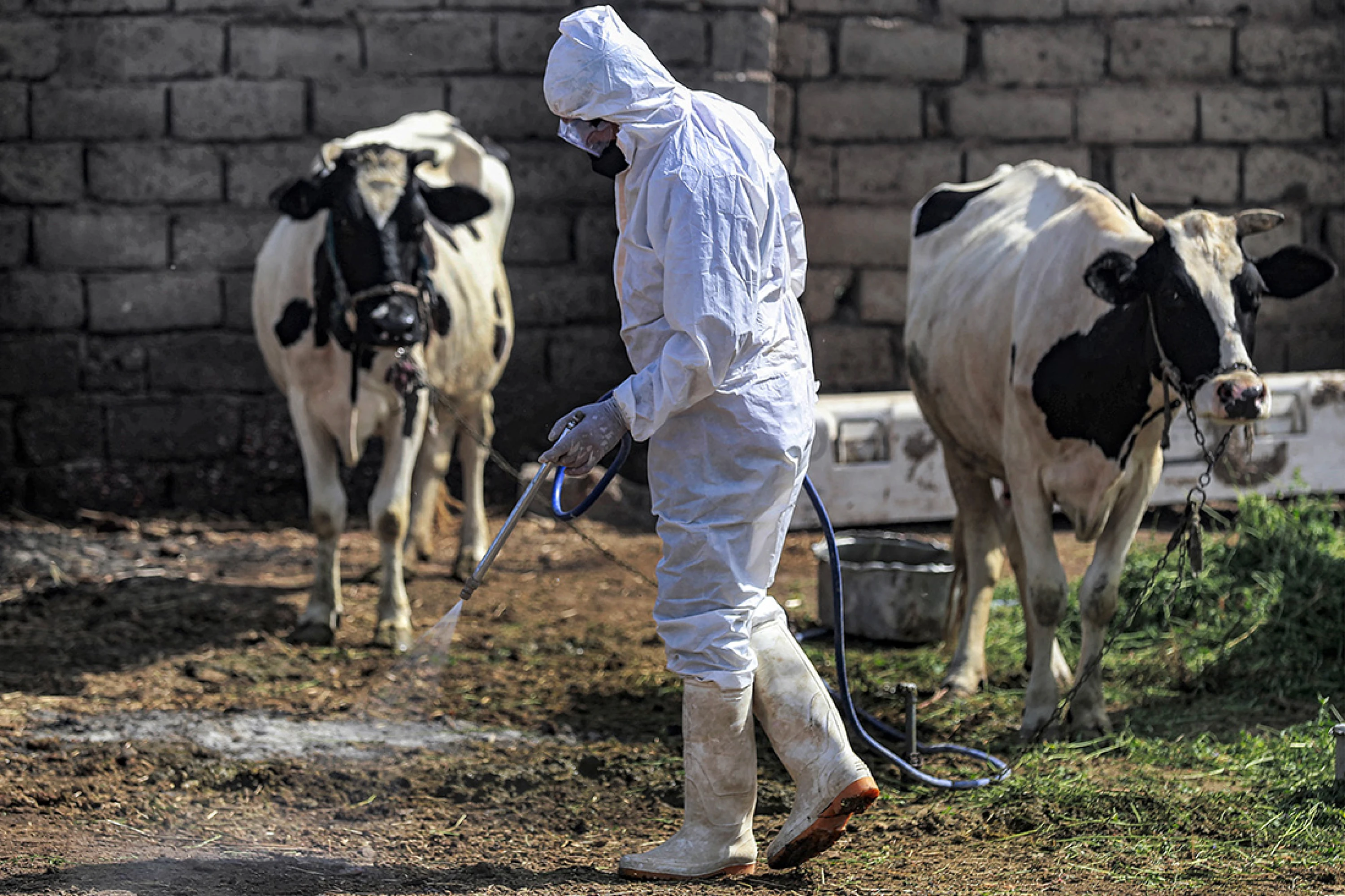
He said the government has tightened control on medical facilities to identify the cases quickly and continuously monitor the animal farms, slaughter houses, and butcher shops.
Barzanji further urged citizens to report suspicious animals immediately and stay away from the farms, while warning against buying meat from unregulated places.
“We have tightened monitoring laboratories, medications, intensive care units, test samples, to find the symptoms of this disease, we have tightened it a lot. So when we find the cases early it is easier to treat them, but in general, the disease itself causes many deaths,” the minister said.
According to Barzanji, Kurdistan Region Prime Minister Masrour Barzani last year allocated a dedicated share of the agriculture ministry’s budget to the veterinary department for the use of agricultural sprayers on ranches.
 Facebook
 LinkedIn
 Telegram
 X
X