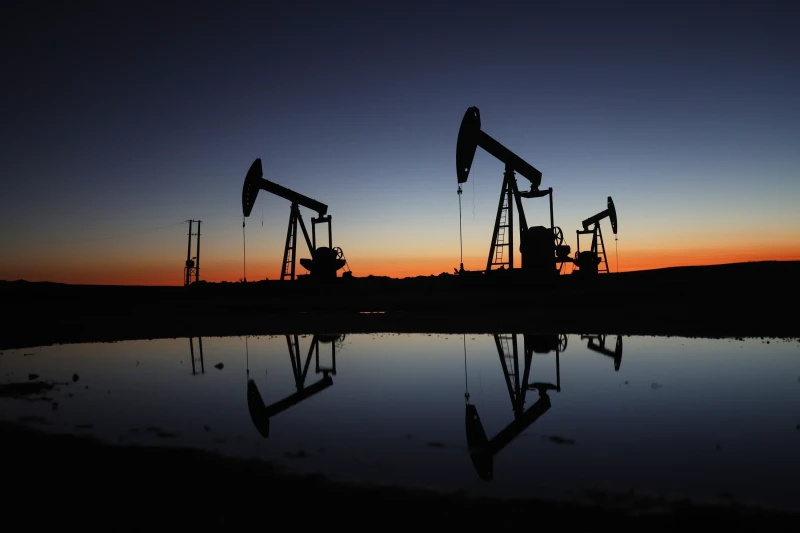

ERBIL, Kurdistan Region of Iraq - Oil prices have spiked since Iran’s closure of the Strait of Hormuz as a measure in its war against the US and Israel, with the new Supreme Leader Mojtaba Khamenei’s first statement on Thursday bringing Brent crude to over $100 per barrel for the first time since 2022.
“The lever of blocking the Strait of Hormuz must definitely be used,” Mojtaba said, coming after Iran has prevented passage through the key waterway responsible for the passage of one-fifth of the world’s oil since the outbreak of conflict, posing stark implications for global trade and energy markets.
The Strait of Hormuz’s closure had already significantly shot up oil prices; Mojtaba’s statement, however, made the spike continue throughout Thursday.
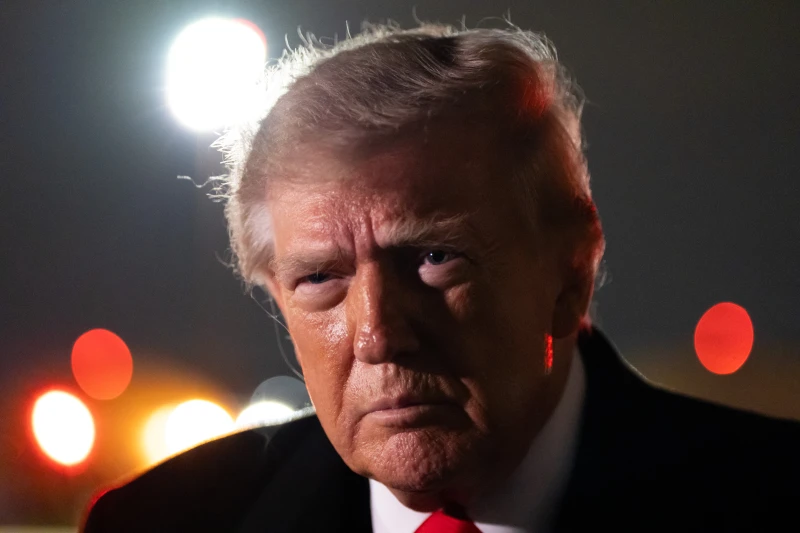
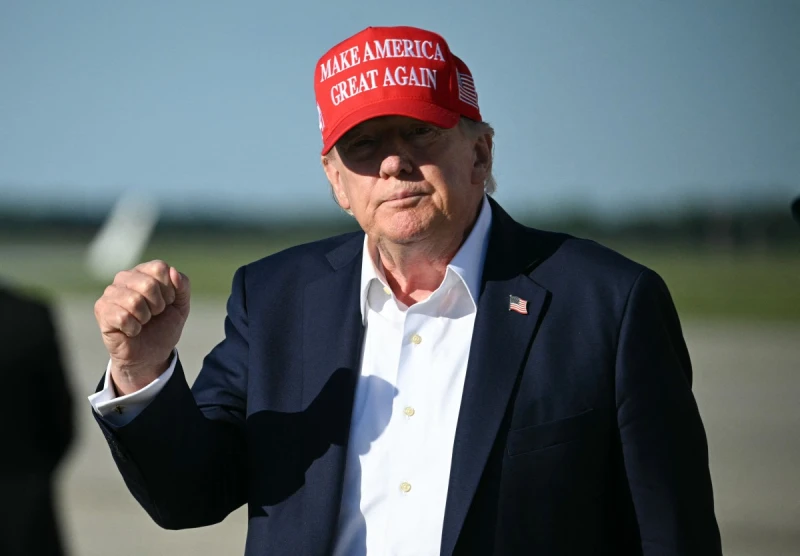
During the same day, US President Donald Trump said that the US makes “a lot of money” when oil prices go up, as they have following the US-Israeli military offensive against Iran, though adding that “of far greater interest and importance” to him is “stopping an evil Empire.”
Iraq has been severely affected by the disruption in oil transport through the Gulf.
The subsequent retaliation campaign by Tehran, which has seen the targeting of myriad regional countries, has caused extensive disruption to Iraqi oil exports, with Oil Minister Hayyan Abdul Ghani saying Thursday that production has diminished from over four million barrels per day to merely 1.4 million now.
There have also been multiple attacks on tanker ships in the Gulf since the war started, with the latest being in Iraqi waters overnight into Thursday.
Two Marshall Islands- and Malta-flagged tankers were targeted within Iraqi territorial waters. One crew member was killed, and 38 others were rescued by Iraqi authorities, according to state media.
Saad Maan, head of Iraq’s Security Media Cell, told state media that “Iraq reserves its right to take legal action” in response to the attack, stressing that it was a “cowardly act of sabotage.”
 Facebook
 LinkedIn
 Telegram
 X
X