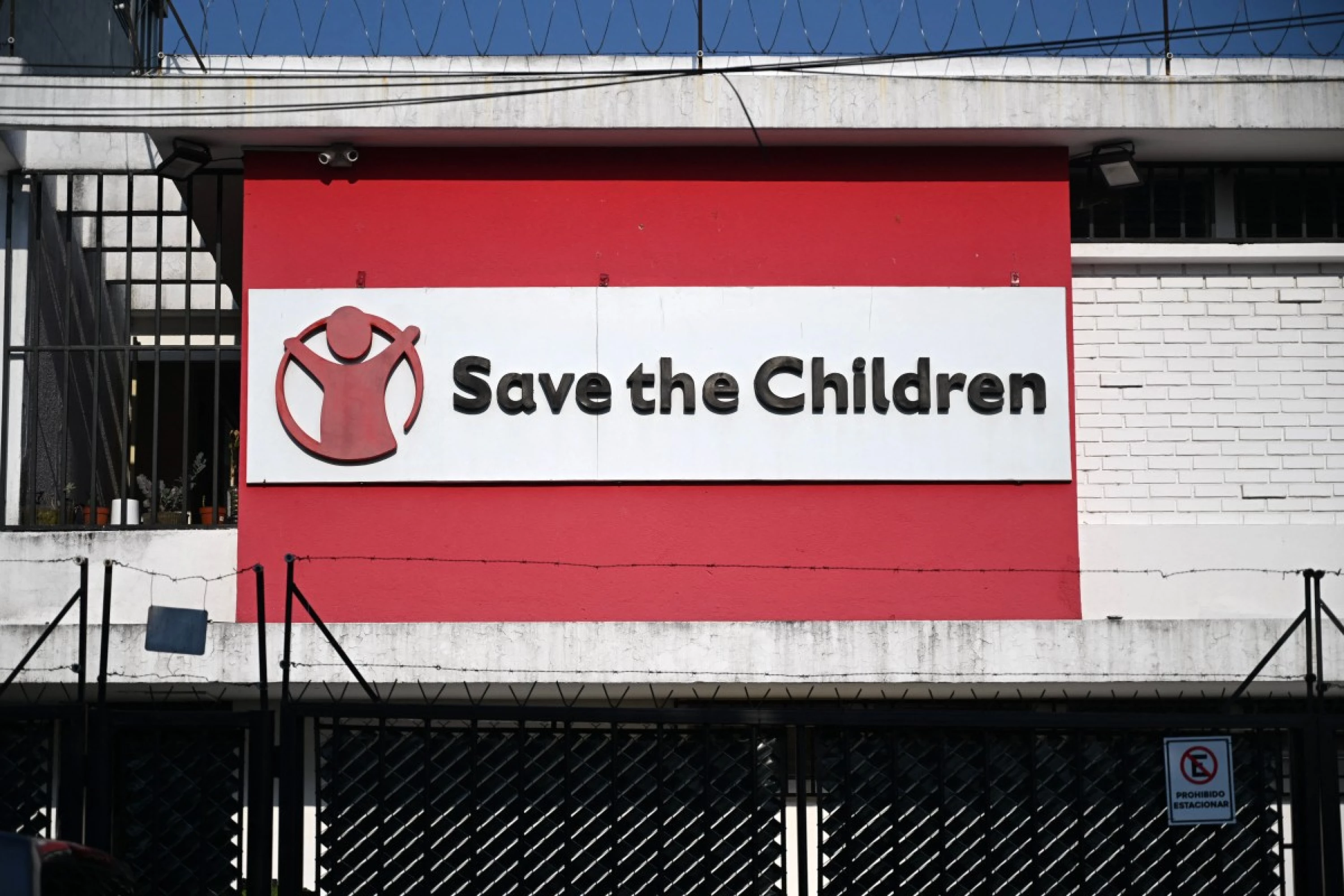
ERBIL, Kurdistan Region of Iraq - The US-Israeli conflict with Iran and its subsequent regional spillover is restricting the delivery of aid to over 410,000 children, the Save the Children NGO said in a report on Wednesday, calling for "an immediate cessation of hostilities."
Since the launching of an offensive in late February, many critical transport nodes in the Middle East have been shut down amid the daily trading of missile salvos, resulting in humanitarian aid destined for children in Sudan, Yemen, and Afghanistan being stuck in the region, according to the charity.
Save the Children noted that a shipment of medical supplies intended to support over 400,000 children in Sudan has been held up in Dubai, which has been repeatedly targeted by Iran.
"The delay puts more than 90 primary health care facilities across Sudan at risk of running out of essential medicines," the NGO said in its report.
"Additionally, a Save the Children shipment of medicine including antibiotics such as penicillin and amoxicillin headed for Yemen is also stuck in Dubai and, for the first time ever, Save the Children will transport these supplies via road, doubling the transport cost," the charity continued. "The medicines are expected to benefit about 5,000 children across 10 health facilities."
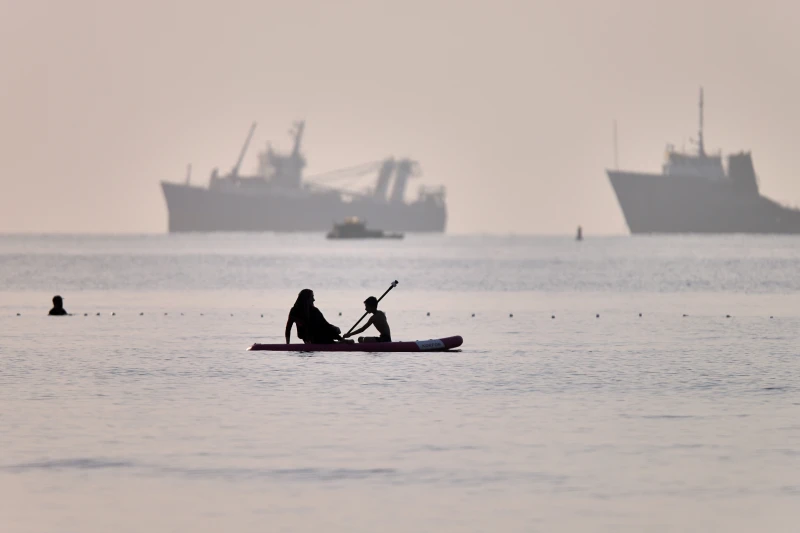
Iran's move to shut off transit through the Strait of Hormuz has had myriad knock-on effects for both international shipping and global energy prices, with almost one-fifth of the world's oil having passed through the strategic waterway before the outbreak of the conflict.
"Medical aid is highly dependent on international transport. The blockage in the Strait of Hormuz combined with spiking cost for insurance and fuel are directly impacting patients in our health facilities, in the worst time possible," said Willem Zuidema, Save the Children’s global supply chain director.
"There should be no barriers to life-saving supplies: exemptions should be put in place to allow humanitarian supplies, fertilizer, and food to be able to move through the Strait of Hormuz."
 Facebook
 LinkedIn
 Telegram
 X
X