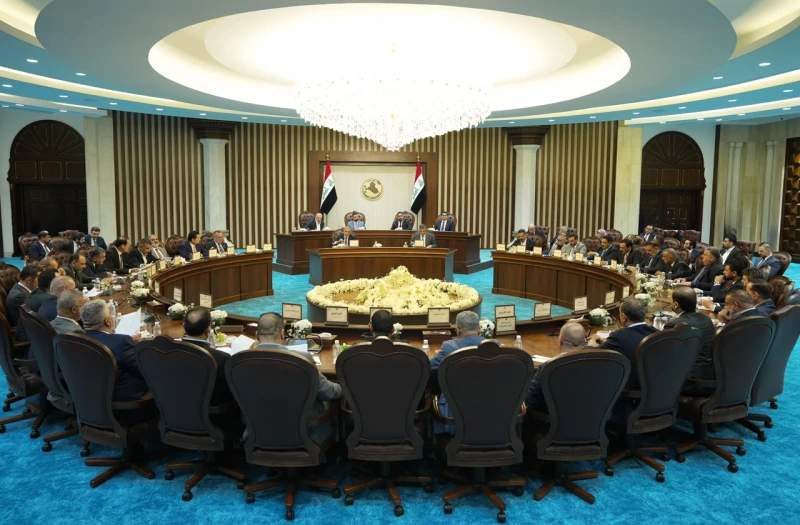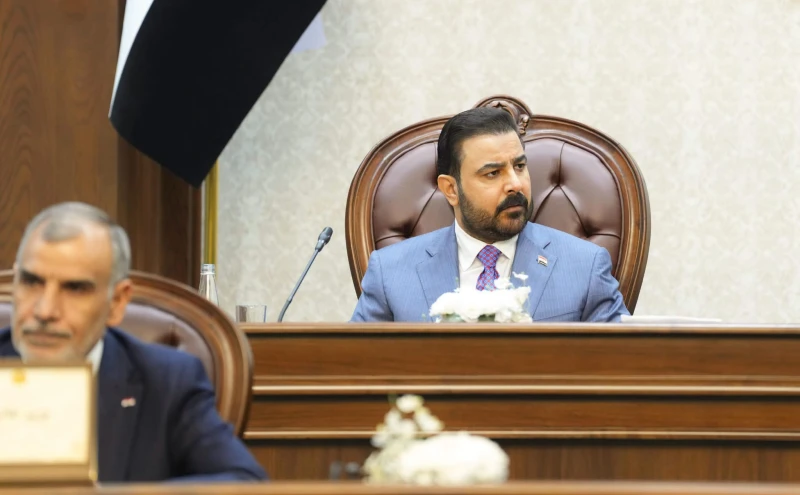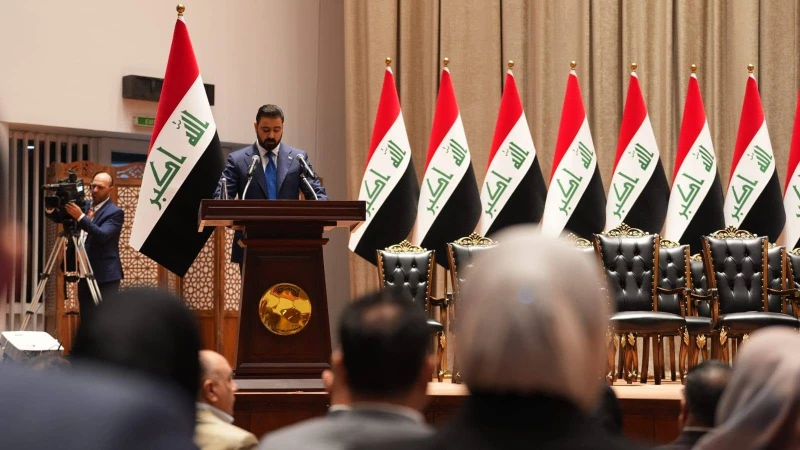
ERBIL, Kurdistan Region of Iraq - Iraq's electricity ministry announced Saturday that Iranian gas imports have gradually resumed to power the national grid, after flow was halted due to an Israeli attack on the Iranian South Pars gas field.
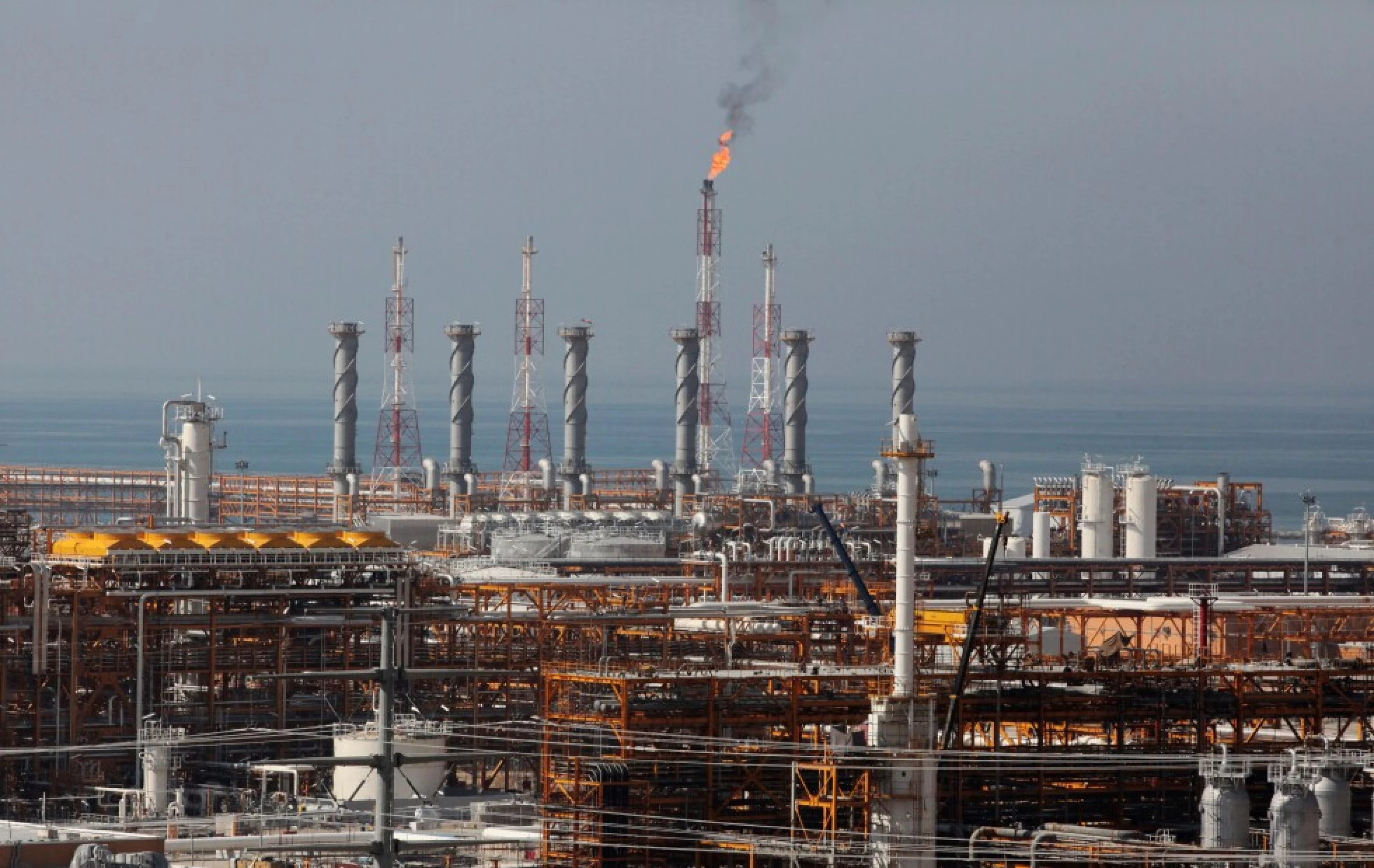
On Wednesday, Israel struck Iran’s South Pars gas field, targeting onshore and offshore units and storage tanks. In return, Iran carried out retaliatory strikes on Qatar’s Ras Laffan, the largest liquified natural gas export facility in the world.
A source from Iraq’s electricity ministry on Wednesday said the cut-off of Iranian gas supply had resulted in a shortfall of 3,100 megawatts in the Iraqi power grid, placing additional strain on a national energy system that is highly vulnerable to external market shocks.
Iraqi electricity ministry spokesperson Ahmed Moussa said on Saturday that “the flow of Iranian gas to Iraq resumed at a rate of five million cubic meters," adding that “the national grid has stabilized production at 14,000 megawatts,” after the resumption of Iranian gas imports.
Iranian gas supplies previously accounted for between 30 and 40 percent of Iraq’s energy needs, but Baghdad was for years under heavy pressure from Washington to curb its over-reliance on Iran.
The US in March 2025 declined to renew a sanctions waiver allowing Iraq to buy electricity from Iran as part of President Donald Trump’s “maximum pressure” campaign against Tehran; another sanctions waiver remains in place by Washington, however, for Iraq to import gas from neighbor Iran.
US President Donald Trump said in a post on Truth Social that Israel attacked South Pars independently without notifying the US or Qatar, and that it will not carry out any other attacks on the key Iranian gas field.
South Pars is part of a larger reservoir split with Qatar in the Gulf. Qatar’s side is called the North Dome field and together with South Pars, they make up the world’s largest gas field.
Due to Iran’s heavy sanctions and export difficulties, Iran uses most of the gas domestically and exports some of it to Iraq and Turkey.
The war has severely disrupted supply chains with attacks on energy infrastructure and Iran’s closure of the Strait of Hormuz, a key waterway responsible for 20 percent of the world’s oil. The closure has sharply raised oil prices.
 Facebook
 LinkedIn
 Telegram
 X
X