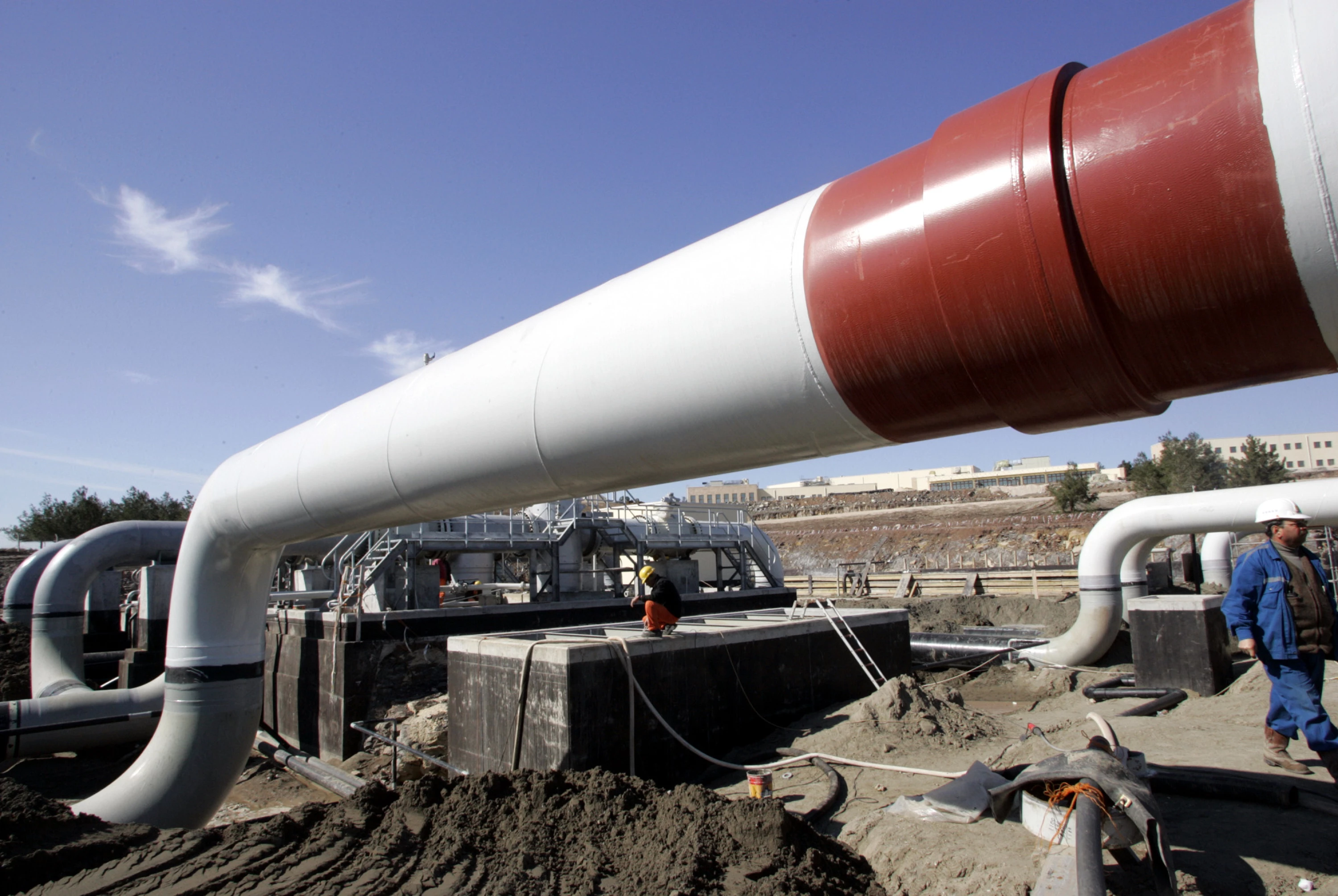
ERBIL, Kurdistan Region of Iraq – Iraq is aiming to increase oil export capacity to Turkey’s Ceyhan port to around 650,000 barrels per day through the rehabilitation of the Kirkuk-Ceyhan pipeline and the increase of production from both Iraqi and Kurdistan Region fields, the oil ministry said on Thursday.
"The target is to export 400,000 barrels, and if we reach 400,000 barrels in the Region's fields and we have 250,000 barrels from the North Oil Company, then around 650,000 barrels can be exported," Deputy Oil Minister Bassem Mohammed Khudair told state media.
Iraqi oil exports through the Kurdistan Region via the Ceyhan port resumed days prior after an agreement was reached between Erbil and Baghdad, with the former allowing the latter to use its pipelines to alleviate energy turmoil brought on by the US-Israeli war on Iran.
Before the current war, exports from the Region were estimated at around 200,000 barrels per day, with 50,000 barrels used for domestic consumption.
Meanwhile, the Kirkuk-Ceyhan pipeline had previously been “sabotaged” and is currently undergoing rehabilitation and inspection, according to the deputy minister.
Khudair said exports from Kirkuk via the pipeline cannot exceed about 250,000 barrels per day, as a large amount of the produced oil is used domestically.
Iraq’s oil ministry on Thursday announced the oil export and revenue rate for February, with crude oil exports amounting to more than 99.8 million barrels, generating revenues that exceeded 6 billion dollars.
On March 18, Kurdistan Region Prime Minister Masrour Barzani announced that Erbil and Baghdad had reached an agreement to export Iraqi oil through the Kurdistan Region.
The breakthrough came following negotiations between the Kurdistan Regional Government (KRG) and the federal government amid the turmoil at the Strait of Hormuz — through which Iraq exports almost all of its oil.
 Facebook
 LinkedIn
 Telegram
 X
X