ERBIL, Kurdistan Region of Iraq – Iraq is witnessing a rise in Crimean-Congo hemorrhagic fever (CCHF) infections, with the southern Dhi Qar province recording four deaths and 41 cases since the beginning of the year, the highest number in the country so far, health officials said on Sunday.
Ali Abdul-Hussein, director of the veterinary hospital in Dhi Qar, warned that authorities must move quickly before Eid al-Adha to contain the spread of the disease.
“There is a need to intensify awareness campaigns on the safe handling of sacrificial meat inside butcher shops and during home slaughter operations,” Abdul-Hussein told state-run al-Sabah newspaper.
Two more infections were also recorded in Nineveh province within less than three days in the Qayyarah district south of Mosul, involving two men aged 20 and 24.
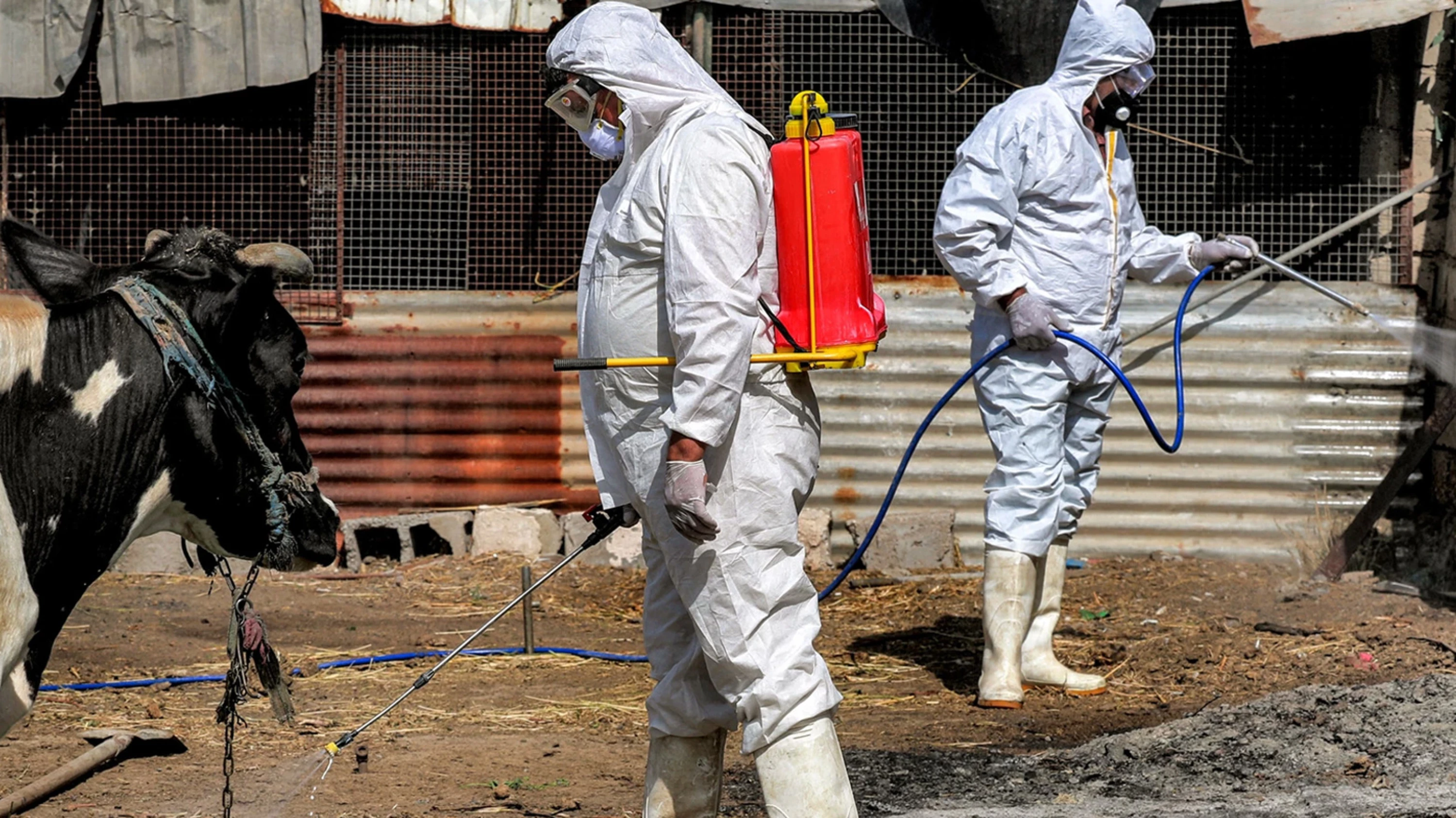
Abdul-Hussein stressed that livestock breeders and butchers must also be made more aware of preventive measures, stressing that ticks remain “the main carrier of the disease in livestock barns and animal shelters.”
He called for “regular spraying of livestock markets and barns and urged authorities to enforce strict health measures during slaughter operations,” warning that “the most dangerous factor is direct and unsafe handling of infected meat.”
CCHF fever is a serious viral disease transmitted between animals and humans, mainly through tick bites or contact with the blood and tissues of infected animals, raising concerns during livestock slaughter seasons and periods of increased animal movement.
In Nineveh, a source from the health directorate told al-Sabah that the second patient in Qayyarah is receiving treatment and medical care, while specialized teams continue epidemiological monitoring and field follow-ups.
“The health situation remains under control,” the source said, adding that coordination between health institutions and veterinary teams is ongoing.
 Facebook
 LinkedIn
 Telegram
 X
X