ERBIL, Kurdistan Region of Iraq - Iranian Foreign Minister Abbas Araghchi insisted before the UN Human Rights Council on Friday that the airstrike on the Shajarat Tayyaba Elementary School was a deliberate act rather than a “miscalculation,” demanding that the US be held accountable.
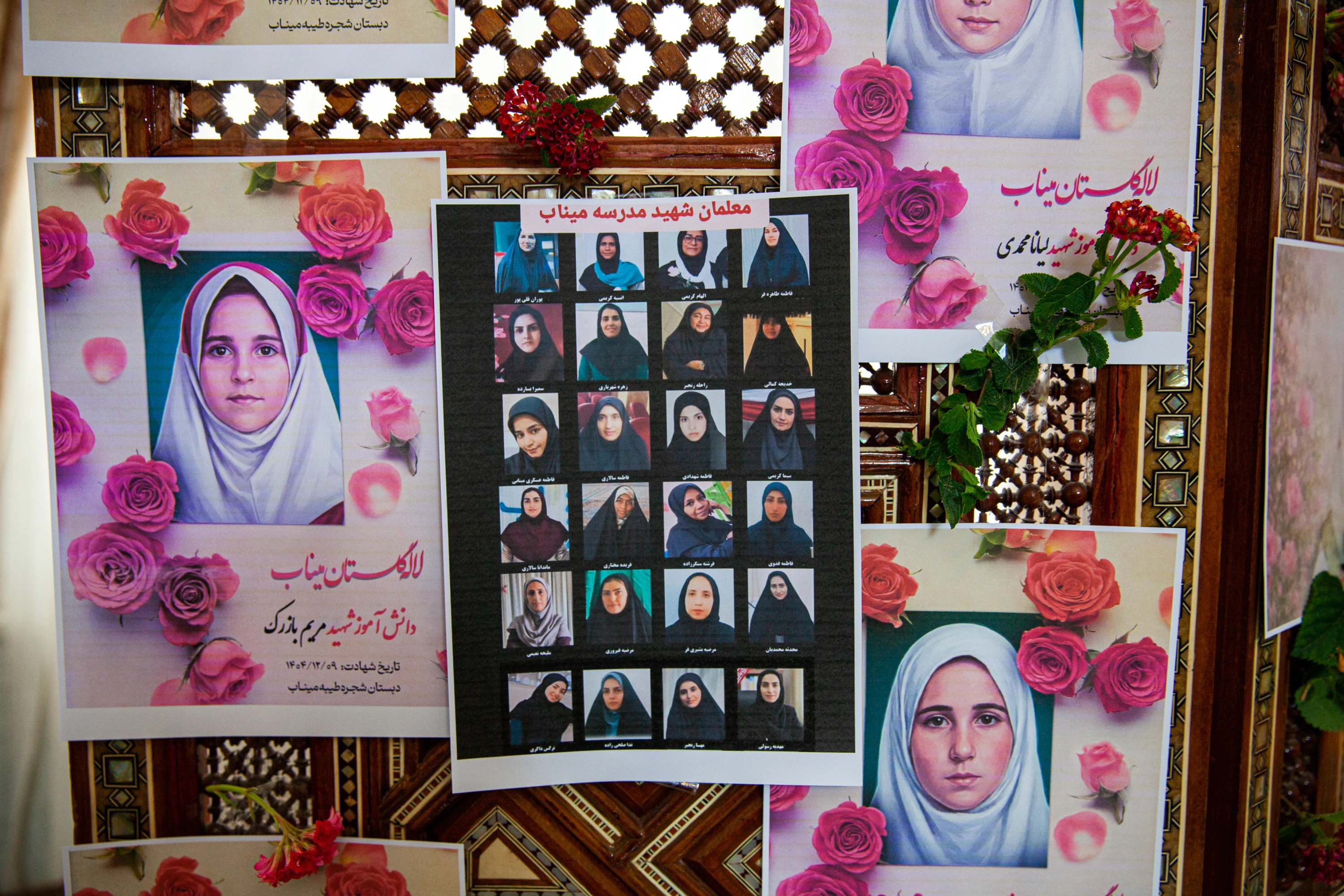
At least 175 people — mostly children aged seven to 12 — were killed in the February 28th attack, an atrocity that sparked global outrage. According to a New York Times investigation, the incident was reportedly a US strike likely intended to target an Islamic Revolutionary Guard Corps (IRGC) base near the school.
“Among the most harrowing manifestations of this aggression was the calculated, phased assault on Shajarat Tayyaba Elementary School in the city of Minab,” Araghchi said, stating that more than 175 students and teachers were “slaughtered in cold blood.”
Addressing the Council president, Araghchi argued that since the “American-Israeli aggressors” claim to possess “the most advanced technologies and the highest precision military and data systems, no one can believe that the attack on this school was anything other than deliberate and intentional.”
“This atrocity cannot be justified, cannot be concealed, and must not be met with silence and indifference. The attack on Shajarat Tayyaba School in Minab was not a mere incident nor a miscalculation. The United States' contradictory remarks aimed at justifying their crime could not, in any manner, elude their responsibility,” he concluded.
Iranian Foreign Minister Abbas Araghchi on Friday told the UN Human Rights Council that the US deliberately attacked an elementary school in Minab, killing over 175 in what he called a "calculated, phased assault" pic.twitter.com/gIlI5qjJ1n
— The New Region (@thenewregion) March 27, 2026
Ahead of the session, UN High Commissioner for Human Rights Volker Turk said that the bombing of the school in Minab has “evoked a visceral horror,” calling for “justice for the terrible harm done.”
“The images of bombed-out classrooms and grieving parents showed clearly who pays the highest price for war: civilians with no power in the decisions that led to conflict,” Turk said. “In this case, a reported 168 pupils, teachers, school staff, and their loved ones. Whatever differences countries have, we can all agree they will not be solved by killing schoolchildren.”
“Senior US officials have said the strike is under investigation. I call for that process to be concluded as soon as possible, and for its findings to be made public. Resort to the use of force, at a time when negotiations were ongoing, is a strategic failure that has had a devastating impact on civilians,” Turk concluded on the matter.
A top Human Rights Council independent rights expert reported that in almost one month of war, more than 600 schools and learning facilities have been destroyed or severely damaged, with at least 230 children and teachers killed.
Across Iran, more than 1,000 civilians have been killed during the war; three million people have been displaced, and hospitals and world heritage sites have been destroyed, said Farida Shaheed, the UN Special Rapporteur on the Right to Education.
On Wednesday, the Council held a debate on Iran’s strikes across the Gulf region and their civilian toll. Following the discussion, the 47-member body unanimously adopted a resolution condemning what it described as Iran’s “egregious attacks” on neighboring states and urging prompt “reparation” for all victims.
 Facebook
 LinkedIn
 Telegram
 X
X