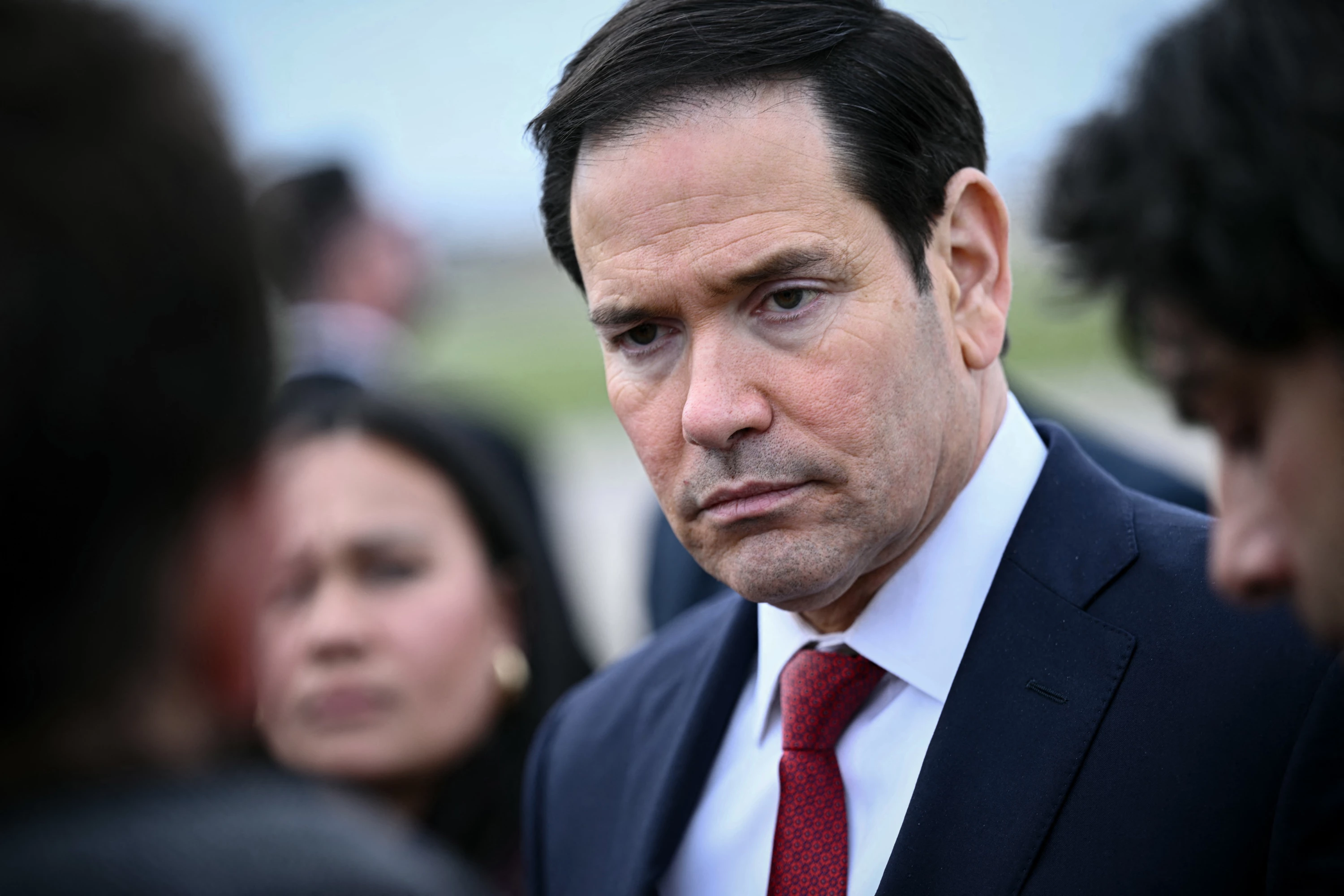
ERBIL, Kurdistan Region of Iraq - US Secretary of State Marco Rubio on Friday said that, after the war ends, one of the main challenges may be Iran tolling shipments going through the Strait of Hormuz, calling it “unacceptable” and “dangerous to the world.”
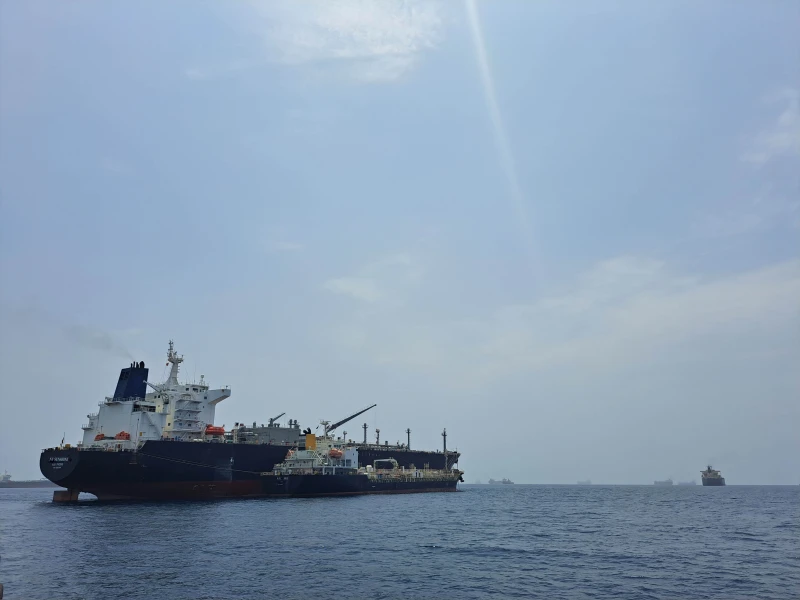
Rubio arrived in France on Friday where he met with EU officials to discuss the ongoing war with Iran and the Strait of Hormuz, a key waterway responsible for roughly 20 percent of the world’s oil, which has been closed by Iran as a means to apply pressure on the global market, sharply driving up oil prices.
The Iranian parliament is seeking to pass a legislation that will allow it to collect tolls from ships passing through the vital waterway, according to the country’s media on Thursday.
“After this thing ends, and we’re done with our objectives, one of the immediate challenges we’re gonna face is an Iran that may want to decide that they want to set up a tolling system in the Strait of Hormuz,” Rubio told reporters.
“Not only is this illegal, it’s unacceptable, it’s dangerous to the world,” the Secretary warned.
According to Rubio, there are “messages and indications” from the Iranian system that they want to re-engage in talks.
“We’re waiting for further clarifications about who it is we will be talking to, what it is we will be talking about, and when we will be talking,” he said.
As the war approaches its second month, Pakistani Foreign Minister Ishaq Dar on Thursday confirmed that indirect talks between Tehran and Washington, mediated by Islamabad, are taking place. Iran has repeatedly rejected the reports, claiming there have been no talks.
The last two indirect nuclear talks between the two ended with Israel and the US airstrikes targeting top Iranian officials, nuclear scientists, and nuclear facilities.
On Monday, US President Donald Trump referred to a 15-point framework for a peace deal with Iran, which reportedly includes Iran abandoning its nuclear program.
“For these people to ever get nuclear weapons would be crazy. Look what they're willing to do with the weapons they have now. They hit embassies, they target hotels... Imagine if these radical lunatics had a nuclear weapon to threaten the world with,” Rubio said.
Rubio said the people of Iran deserve better than the “radical Shiite clerical regime” that has used the country’s wealth to “sponsor terrorism” and build weapons.
“[A] regime that has basically taken that country’s wealth and used it not to build roads and bridges, not to build healthcare systems…they’ve used the wealth of that country to sponsor terrorism, build rockets, build drones, build sea mines, that’s what they’ve done with it and tried to kill people all over the world,” he said.
Since the war started in late February, the US and Israel have killed top Iranian leaders, including Supreme Leader Ayatollah Ali Khamanei and top security chief Ali Larijani.
During Rubio’s meetings with the EU officials, the Ukraine-Russia war was also discussed. Russia and Iran have long been primary allies in confronting Western powers.
“We see that Russia is helping Iran with intelligence to target Americans, to kill Americans, and Russia is also supporting Iran now with the drones so that they can attack neighboring countries and also US military bases. So these wars are very much interlinked,” EU foreign policy chief Kaja Kallas said on Thursday.
“So if the US wants the war in the Middle East to stop, Iran to stop attacking them, they must also put the pressure on Russia so they are not able to help them in this,” she stressed.
Rubio said Russia’s support for Iran is not “in any way impeding or affecting our operation or the effectiveness of it.”
Iran’s retaliatory strikes in the region have also targeted EU forces with an attack on a US-led coalition base in the Kurdistan Region this month killing one French soldier and wounding several others.
Earlier this month, the NATO Mission in Iraq also relocated all of its personnel to Europe following frequent attacks on the US’ Camp Victory near Baghdad airport where NATO personnel were stationed.
 Facebook
 LinkedIn
 Telegram
 X
X