
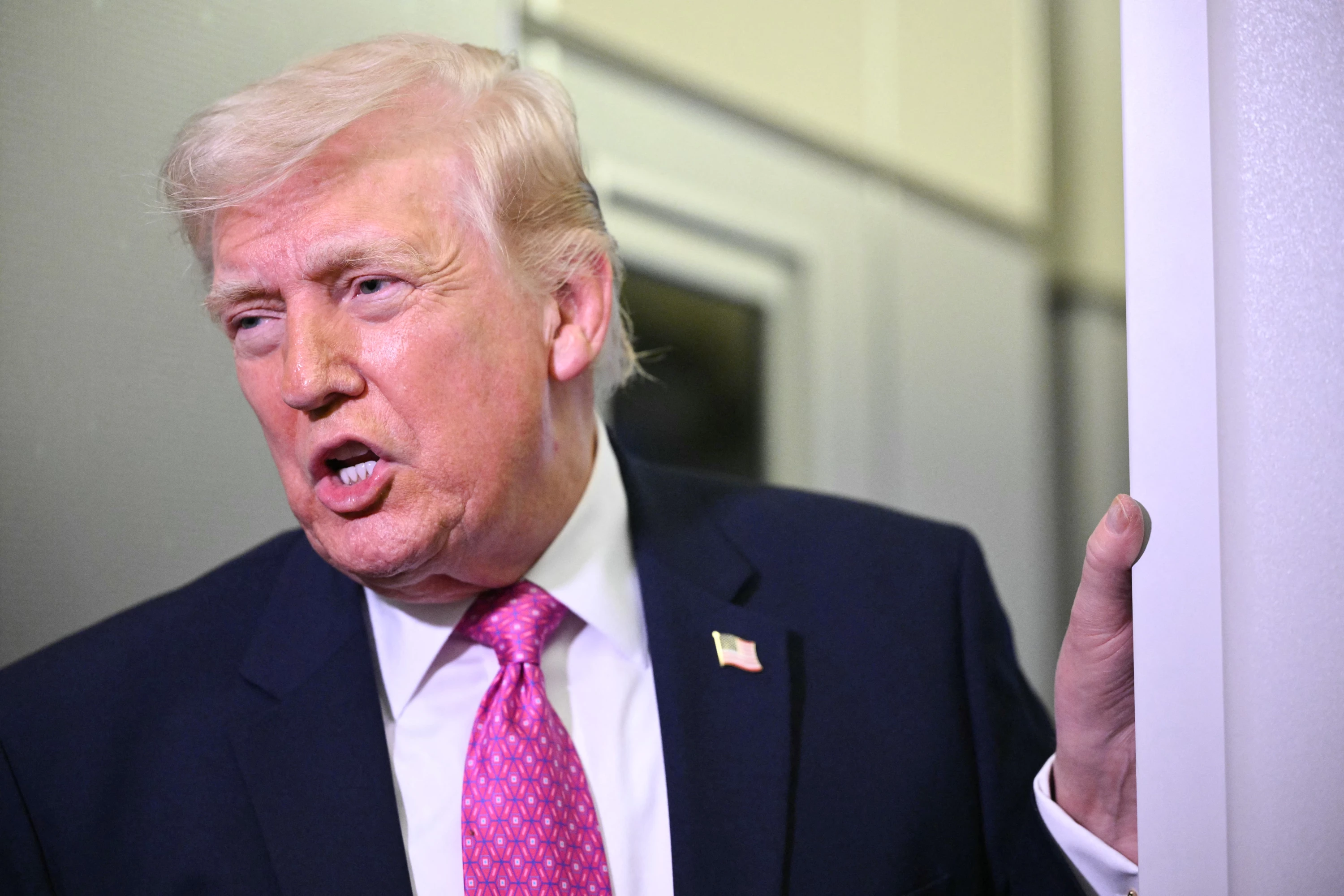
ERBIL, Kurdistan Region of Iraq – President Donald Trump on Monday threatened “obliterating” Iran’s key power and energy infrastructure, if the Strait of Hormuz is not opened “immediately”.
“The United States of America is in serious discussions with A NEW, AND MORE REASONABLE, REGIME to end our Military Operations in Iran,” the US president said in a post on Truth Social.
“Great progress has been made,” Trump said, warning however say if the Strait of Hormuz is not “immediately” opened, “we will conclude our lovely ‘stay’ in Iran by blowing up and completely obliterating all of their Electric Generating Plants, Oil Wells and Kharg Island (and possibly all desalinization plants!), which we have purposefully not yet ‘touched’.”
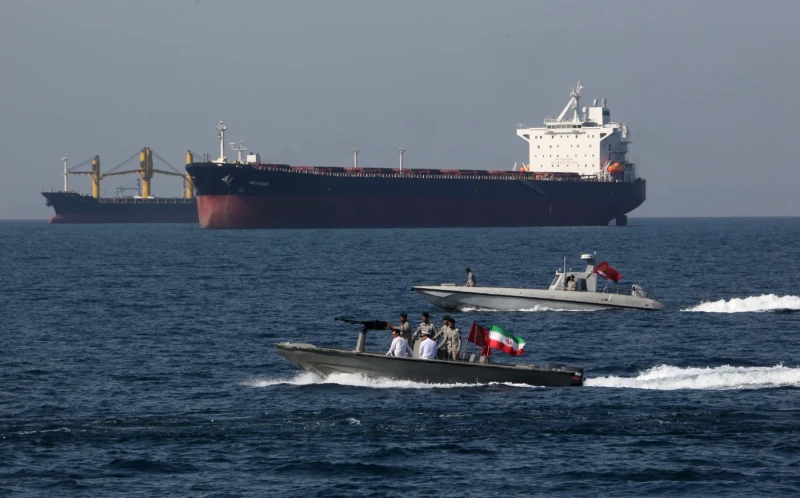
The major global chokepoint located south of Iran connects the Persian Gulf to international waters, and is responsible for roughly a quarter of all seaborne oil trade, as it is the closest passage that oil from several Gulf states can take to global markets. It also accounts for the shipment of around 20 percent of the entire world’s liquified natural gas (LNG).
The price of a barrel of oil has soared to roughly 115 dollars as of the time of writing this article, amid Iran’s blockade on traffic in the strait in retaliation to the US-Israeli strikes on its soil, which have killed a crop of top Iranian officials, including the late Supreme Leader Ayatollah Ali Khamenei.
“This will be in retribution for our many soldiers, and others, that Iran has butchered and killed over the old Regime’s 47 year ‘Reign of Terror,’” said Trump.
On March 22, Trump warned that if Iran does not “fully” open the Strait of Hormuz within 48 hours, the US would “hit and obliterate their various POWER PLANTS, STARTING WITH THE BIGGEST ONE FIRST!”
Five days after the threat, the US president said that he has extended the deadline by an additional ten days, claiming that Tehran requested an extension. “I am pausing the period of Energy Plant destruction by 10 Days to Monday, April 6, 2026 at 8 P.M., Eastern Time,” he said.
Yemen’s Houthis announced their entry into the war on Saturday by launching an attack against Israel. The Houthis’ entry into the war lends the Iranian side of the conflict yet another global economic pressure card, as blocking passage through the Red Sea would compound the already substantial impact that the Hormuz blockade has inflicted on the global economy.
 Facebook
 LinkedIn
 Telegram
 X
X