
ERBIL, Kurdistan Region of Iraq - Iraq is facing the challenge of balancing the budget for 2026 as the main source of income, oil exports, have largely reduced since Iran closed the Strait of Hormuz, an official said Friday.
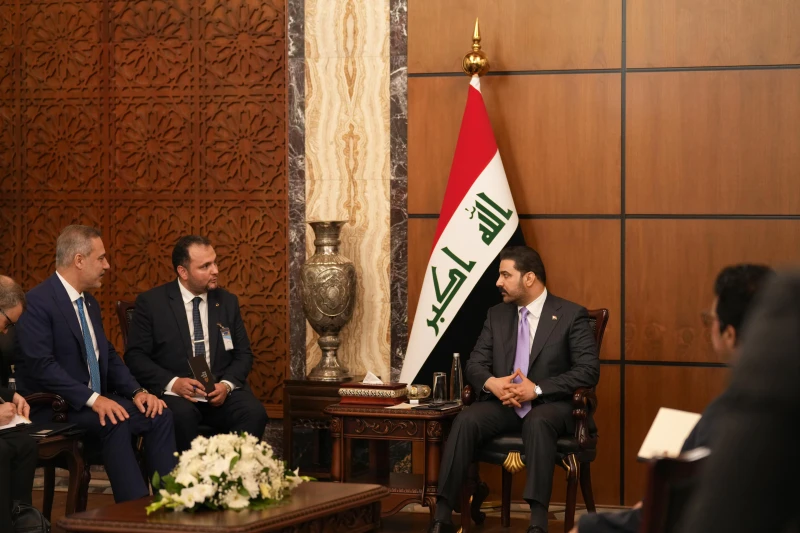
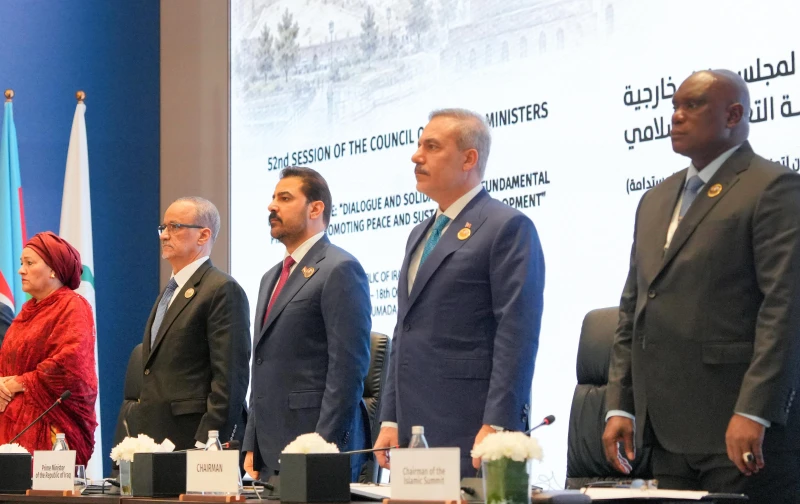
“Iraq finds itself facing a dual challenge: how to successfully enact its 2026 general budget amidst regional turmoil that threatens its oil exports, while simultaneously maintaining internal financial stability,” Mudher Mohammed Saleh, financial advisor to Iraqi Prime Minister Ali al-Zaidi, told state media.
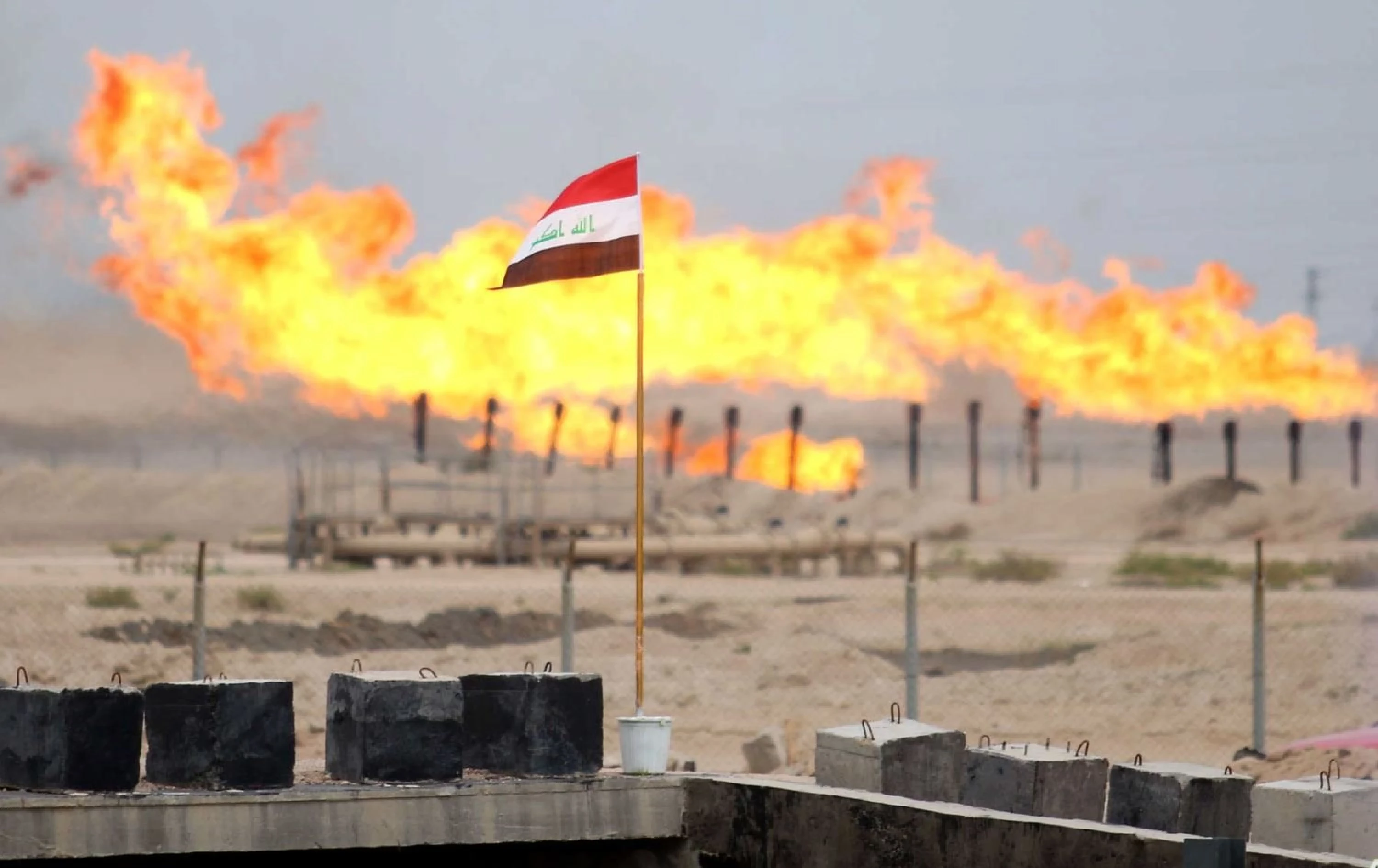
Iraq exported nearly 100 million barrels per day in February before the US-Iran war started, generating $6 billion. The number dropped to 18.6 million barrels and just shy of $2 billion for March, then less than 10 million barrels and barely over $1 billion for April.
“The budget is no longer merely an accounting document or a set of figures; it has become a political and economic equation reflecting the nature of the Iraqi economy, which is based on oil revenues, and simultaneously revealing the state's ability to manage its financial resources prudently and efficiently in a highly fragile and turbulent regional environment,” he added.
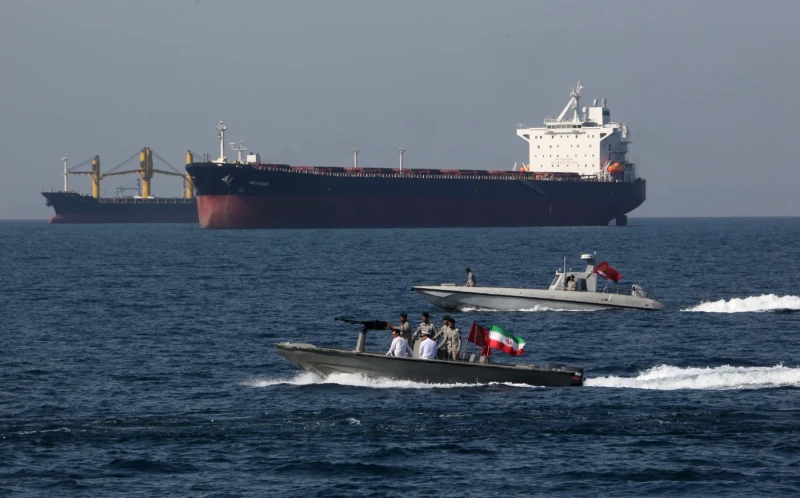
The sharp drop in export capacity is a direct result of the tightened restrictions placed on the vital Strait of Hormuz amid the US-Iran conflict.
The regional turmoil has forced Iraq to explore northern routes in a scramble to sell more oil, such as Turkey’s Ceyhan port. It has also compelled Baghdad to explore land routes westward through Syria.
“It will be one of the most sensitive and complex budgets in Iraq's modern financial history due to the intrinsic link between the Iraqi economy and global oil markets,” Saleh said.
In April, Iraqi officials warned that delays in approving the 2026 federal budget could harm the country’s economy, with Saleh saying Iraq’s heavy reliance on public spending makes the economy particularly vulnerable to budget delays.
He said prolonged delays could slow growth, suspend investment projects, reduce job opportunities, and increase unemployment.
At the time, the Iraqi parliament’s finance committee said the government’s options were limited to measures such as borrowing laws or emergency legislation.
Another pressing issue in the 2026 budget is the tensions between Baghdad and the Kurdistan Regional Government (KRG), which has demanded that its allocations be calculated based on the results of Iraq’s 2024 national census.
 Facebook
 LinkedIn
 Telegram
 X
X