
ERBIL, Kurdistan Region of Iraq – A prisoner exchange set to take place on Thursday between the Kurdish-led Syrian Democratic Forces (SDF) and the Syrian government has been postponed due to “technical problems,” local media reported. The exchange will mark the third such swap between the two sides.
On Wednesday, SDF-affiliated media said a new group of around 300 Kurdish-led fighters detained by the Syrian government is expected to be released on Thursday.
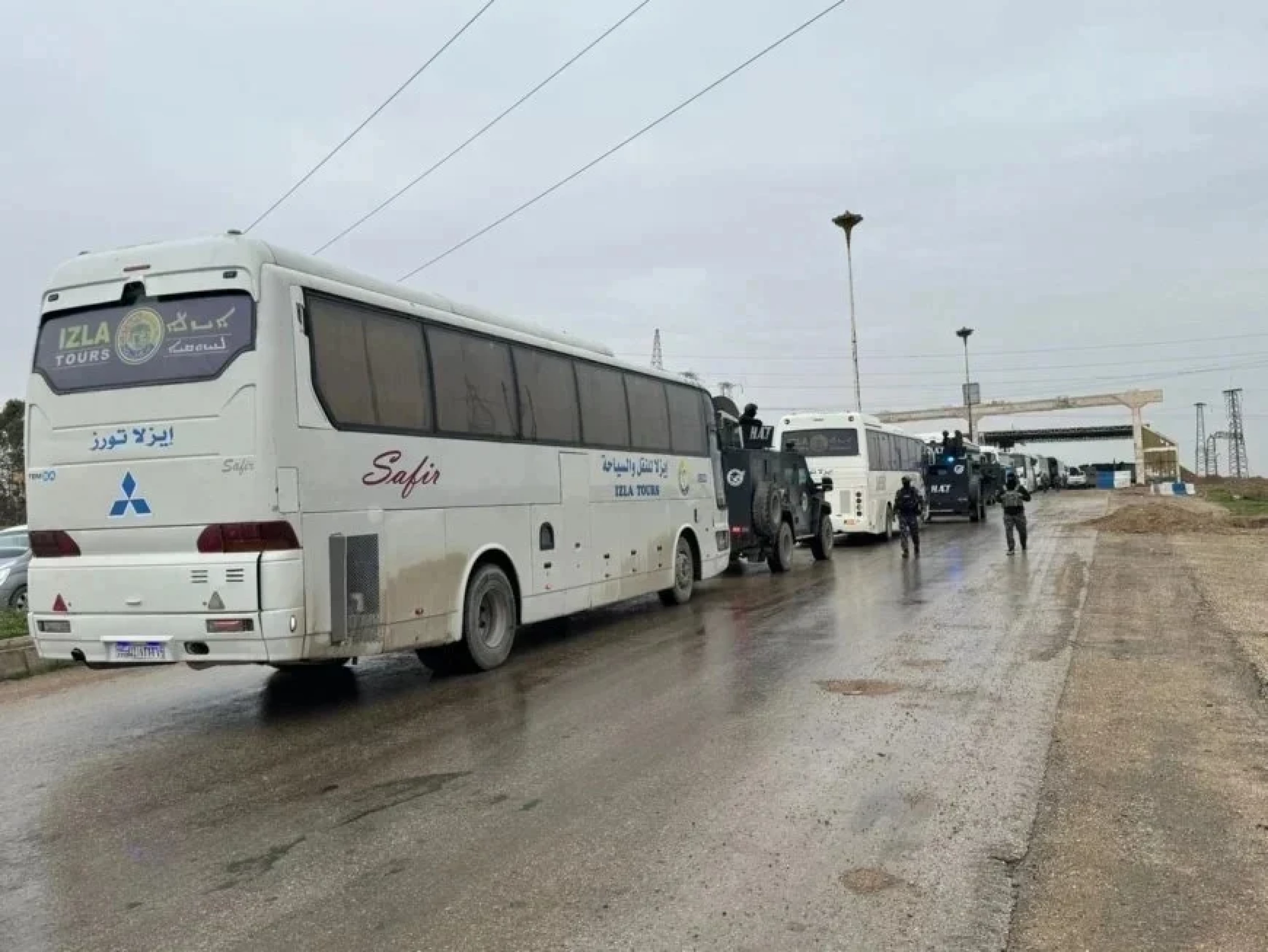
Reports suggested that authorities in Rojava (northeast Syria) had prepared groups of prisoners held in SDF and Internal Security Forces (Asayish) prisons for exchange, transferring them from Qamishli to Hasaka between Wednesday night and Thursday morning.
“This exchange was initially scheduled for Thursday but was postponed to the beginning of next week due to the incomplete implementation of some technical and procedural measures,” Hawar news agency (ANHA), affiliated with the Rojava administration, cited sources as saying.
While no official date has been announced, sources expect the exchange to take place on Saturday, according to ANHA.
On March 19, around 300 detained SDF fighters were freed by Damascus in Rojava’s Hasaka as part of a reciprocal exchange process between Damascus and Rojava authorities.
Another batch of prisoners was released on March 11, when around 100 SDF prisoners were released by the Syrian government in exchange for the Kurdish-led forces freeing an equal number of prisoners.
The two sides have formed a joint committee to follow up on the files of displaced persons and prisoners earlier in March.
The move comes as part of the implementation of the January 29 agreement signed between the Syrian government and the Rojava authorities, with a key provision involving the release of prisoners detained in the recent conflicts.
The January ceasefire and integration agreement was signed after weeks of an intense military confrontation between the two sides, which began early January after Syrian-backed factions advanced into SDF-held areas.
The areas were previously liberated and maintained by the Kurdish-led forces during the war with the Islamic State (ISIS).
 Facebook
 LinkedIn
 Telegram
 X
X