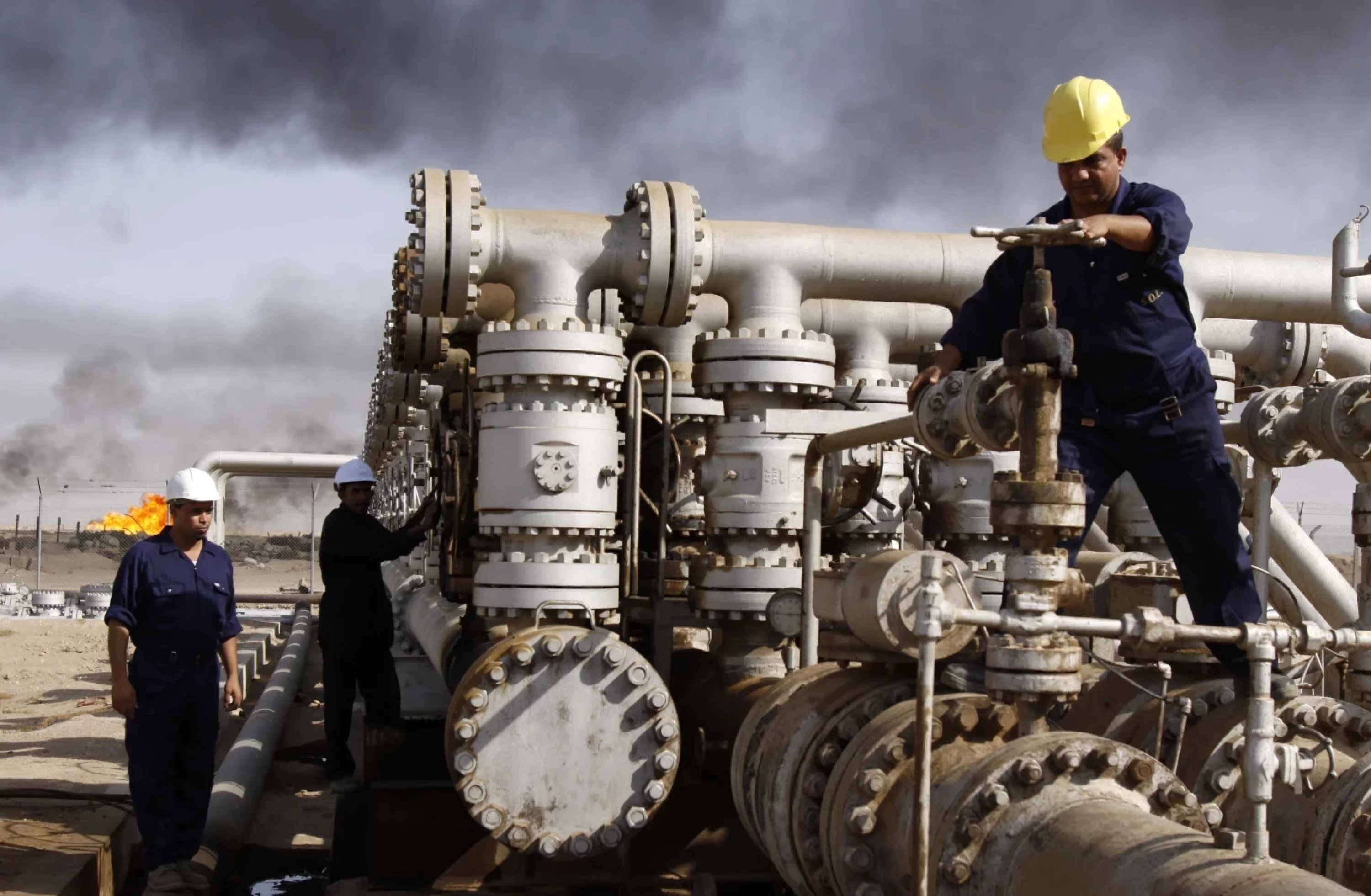
ERBIL, Kurdistan Region of Iraq – Iraq exported 18.6 million barrels of crude oil in March, generating about $1.95 billion in revenue, marking a steep plunge compared to February’s 99.8 million barrels that raked in $6 billion.
The exports included 14.5 million barrels from central and southern oil fields, 2.77 million barrels from Kirkuk, and 1.27 million barrels from the Kurdistan Region via Turkey’s Ceyhan port, the Iraqi oil ministry said, citing data from Iraq’s State Organization for Marketing of Oil (SOMO).
The oil ministry said “the total quantity of crude oil exports, including condensates, reached 18,604,951 barrels,” adding that revenues totaled “more than $1.957 billion” for the month.
The figures mark a sharp decline compared to February, when Iraq exported more than 99.8 million barrels of crude oil, generating over $6 billion in revenue, according to earlier ministry data.
The drop comes amid regional turmoil linked to the ongoing US-Israeli war on Iran, which has disrupted energy flows and heightened risks around key export routes, including the Strait of Hormuz, through which Iraq exports most of its oil.
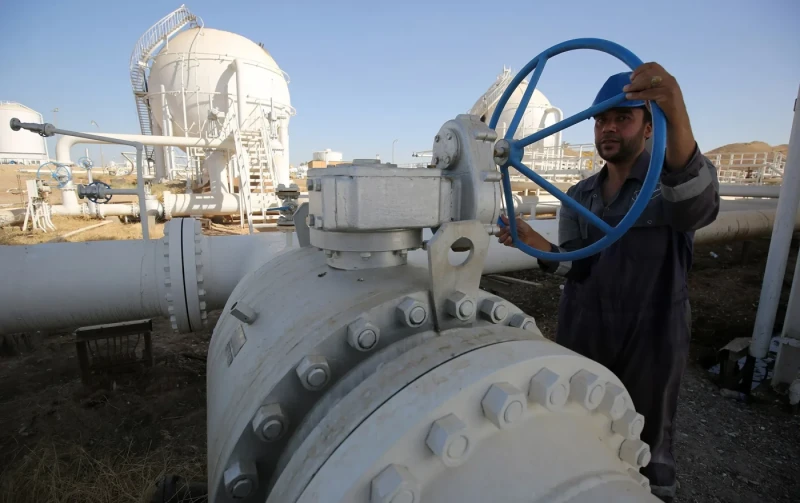
In response, Iraq has moved to boost alternative export capacity through Turkey’s Ceyhan port. The oil ministry said earlier that it aims to increase exports via the northern route to around 650,000 barrels per day by rehabilitating the Kirkuk-Ceyhan pipeline and ramping up production in both federal and Kurdistan Region fields.
“The target is to export 400,000 barrels, and if we reach 400,000 barrels in the Region's fields and we have 250,000 barrels from the North Oil Company, then around 650,000 barrels can be exported,” Deputy Oil Minister Bassem Mohammed Khudair said in March in remarks carried by state media.
Khudair said exports from Kirkuk through the pipeline would not exceed roughly 250,000 barrels per day, noting that a significant portion of production is consumed locally, while the pipeline itself had previously been “sabotaged” and is undergoing rehabilitation.
Exports through the Kurdistan Region via Ceyhan resumed days earlier after Baghdad and Erbil struck an agreement, allowing federal authorities to use the Region’s pipeline network to ease pressure on southern export routes.
Before the war, exports from the Kurdistan Region were estimated at around 200,000 barrels per day, with about 50,000 barrels allocated for domestic use.
 Facebook
 LinkedIn
 Telegram
 X
X