ERBIL, Kurdistan Region of Iraq - White House Press Secretary Karoline Leavitt on Wednesday denied reports that Washington has requested an extension of the ceasefire with Iran, adding that negotiations are ongoing and the next round of talks is likely to be held in Islamabad once again.
Media reports emerged on Wednesday that Washington and Tehran were contemplating extending the two-week ceasefire brought into effect on April 8 that brought a tentative halt to their regional military conflict.
Terming it "bad reporting," Leavitt told a White House press briefing that such information is not true, adding that the US remains "very much engaged in these negotiations."
The first round of negotiations was held in the Pakistani capital of Islamabad on Sunday and did not lead to a lasting truce. Washington has accused Tehran of being unwilling to give up its nuclear ambitions, while Iran cited US “excessive demands” and a lack of political will for the failure to reach a deal.
US President Donald Trump told The New York Post a new round of talks with Tehran could take place in Pakistan "over the next two days," after saying the day before that unnamed Iranian officials had called him seeking a deal.
When asked if the next round of "in-person" discussions would take place at the same venue, Leavitt affirmed that they would, though adding that nothing has been confirmed as of yet.
"We feel good about the prospects of a deal," said Leavitt.
Pakistan has emerged as a key interlocutor in the negotiations, with Chief of the Pakistani Armed Forces Asim Munir arriving in Tehran on Wednesday to relay US messages to Iranian authorities.
Iranian Foreign Minister Abbas Araghchi on Wednesday welcomed Chief of the Pakistani Armed Forces Asim Munir to Tehran, where the latter is set to convey messages from the US ahead of a possible second round of US-Iran negotiations pic.twitter.com/O0p5v7EEj1
— The New Region (@thenewregion) April 15, 2026
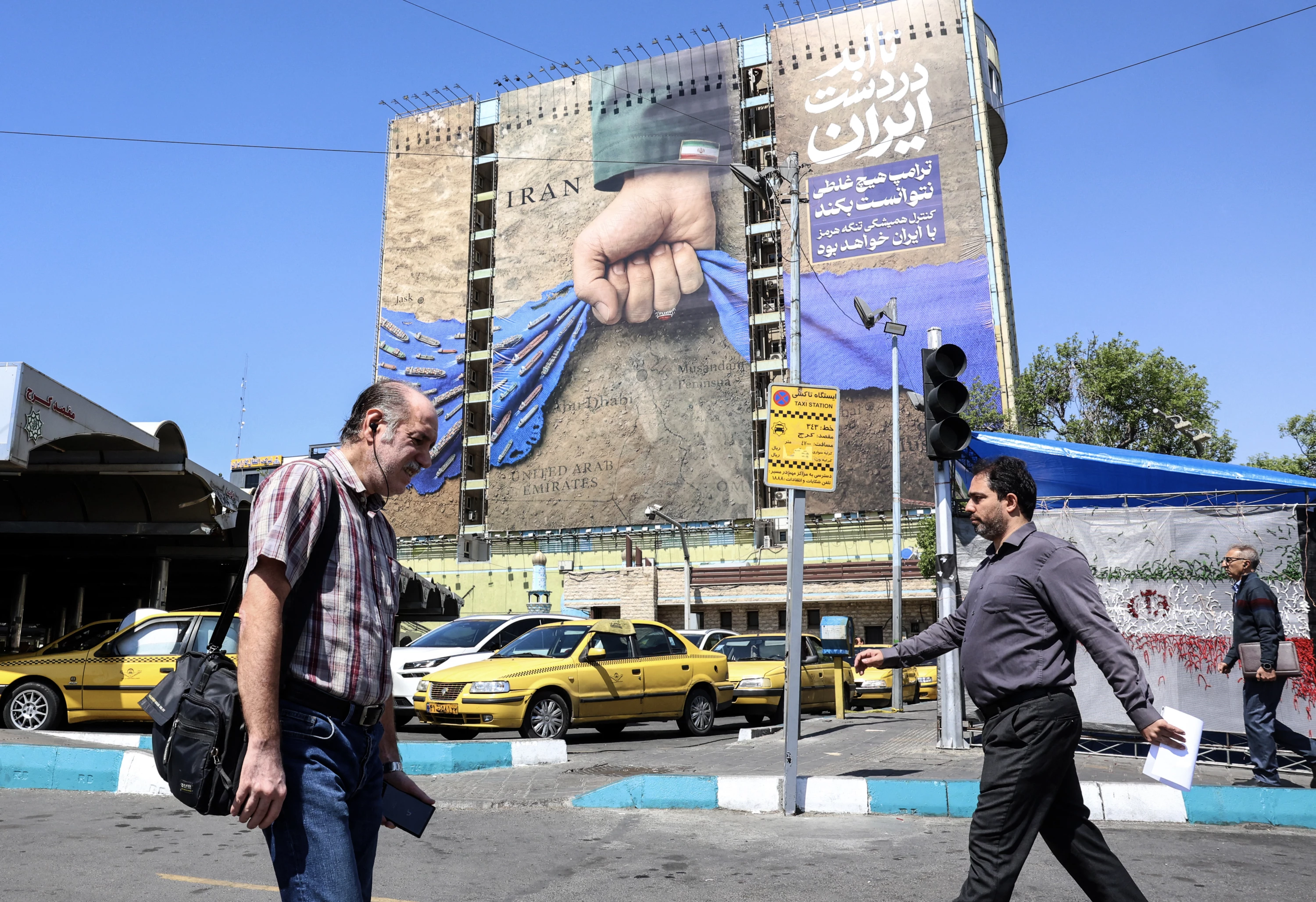
The US military has imposed a blockade of Iranian ports since Monday that US Central Command (CENTCOM) says includes vessels from all nationalities, adding that US military "will not impede freedom of navigation" through the Strait of Hormuz for ships traveling to or from non-Iranian ports.
"The blockade is enforced against vessels of all nations entering or departing Iranian ports," Leavitt said at the presser. "This includes all Iranian ports in the Arabian Gulf and the Gulf of Oman."
 Facebook
 LinkedIn
 Telegram
 X
X