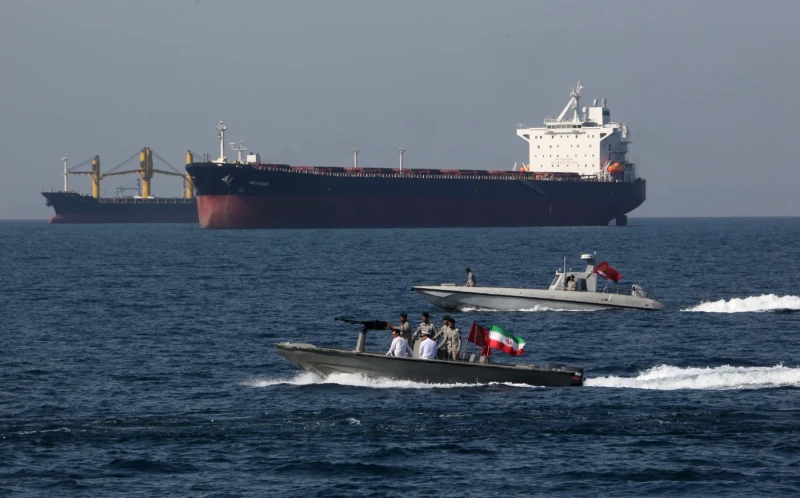
ERBIL, Kurdistan Region of Iraq – Iranian Parliament Speaker Mohammad Bagher Ghalibaf said early Saturday that the Strait of Hormuz “will not remain open” if the US continues its blockade of Iranian ports, stressing that control of the waterway remains under Tehran’s authority.
On Friday, Iranian Foreign Minister Abbas Araghchi said in a brief post on X that the Strait of Hormuz was “completely open” to all commercial ships in line with the ceasefire in Lebanon.
Araghchi’s comments drew criticism after US President Donald Trump welcomed the move while keeping the US blockade on Iranian ports in place until a deal is reached, prompting Tehran to reject what they described as misleading messaging.
Iran’s state broadcaster, during a live program, strongly criticized Araghchi’s comments as a “hasty tweet,” saying it only served to test “people’s patience.” At the same time, Islamic Revolutionary Guard Corps (IRGC)-affiliated media described his remarks as “bad and incomplete,” arguing that the lack of details gave Trump an opportunity to take advantage of the statement in his latest remarks.
Ghalibaf said that if the blockade continues, the Strait of Hormuz “will not remain open,” adding that any decision on closing or reopening the strait and imposing regulations on the strategic waterway would be determined “by the field, not by social media,” criticizing earlier comments by Trump regarding the strait, writing on X.
The US imposed a naval blockade on the Strait of Hormuz earlier this week, preventing all ships from and to Iran’s ports from passing through.
“Passage through the Strait of Hormuz will be conducted based on the 'designated route' and with Iranian authorization,” Ghalibaf added.
“The President of the United States made seven claims in one hour, all seven of which were false,” Ghalibad said.
Foreign ministry spokesperson Esmail Baghaei, following the wave of criticism, said in a clarification that “this tweet is in line with the implementation of the ceasefire understanding” during an interview with state broadcaster IRIB.
Baghaei stressed that the tweet was in line with Iran’s 10-point ceasefire proposal, saying it reflected the implementation of the agreed framework and that “during the continuation of the ceasefire period, there will be no new changes in the situation, and only the next four days will be considered.”
Iran’s Defense Ministry said the Strait of Hormuz “is open only under a ceasefire,” adding that US and Israeli military vessels “do not have the right to pass through the strait,” IRIB reported.
The strait is set to remain open for the remaining period of the ten-day ceasefire between Israel and Lebanon, which took effect on Thursday and is set to expire on April 26.
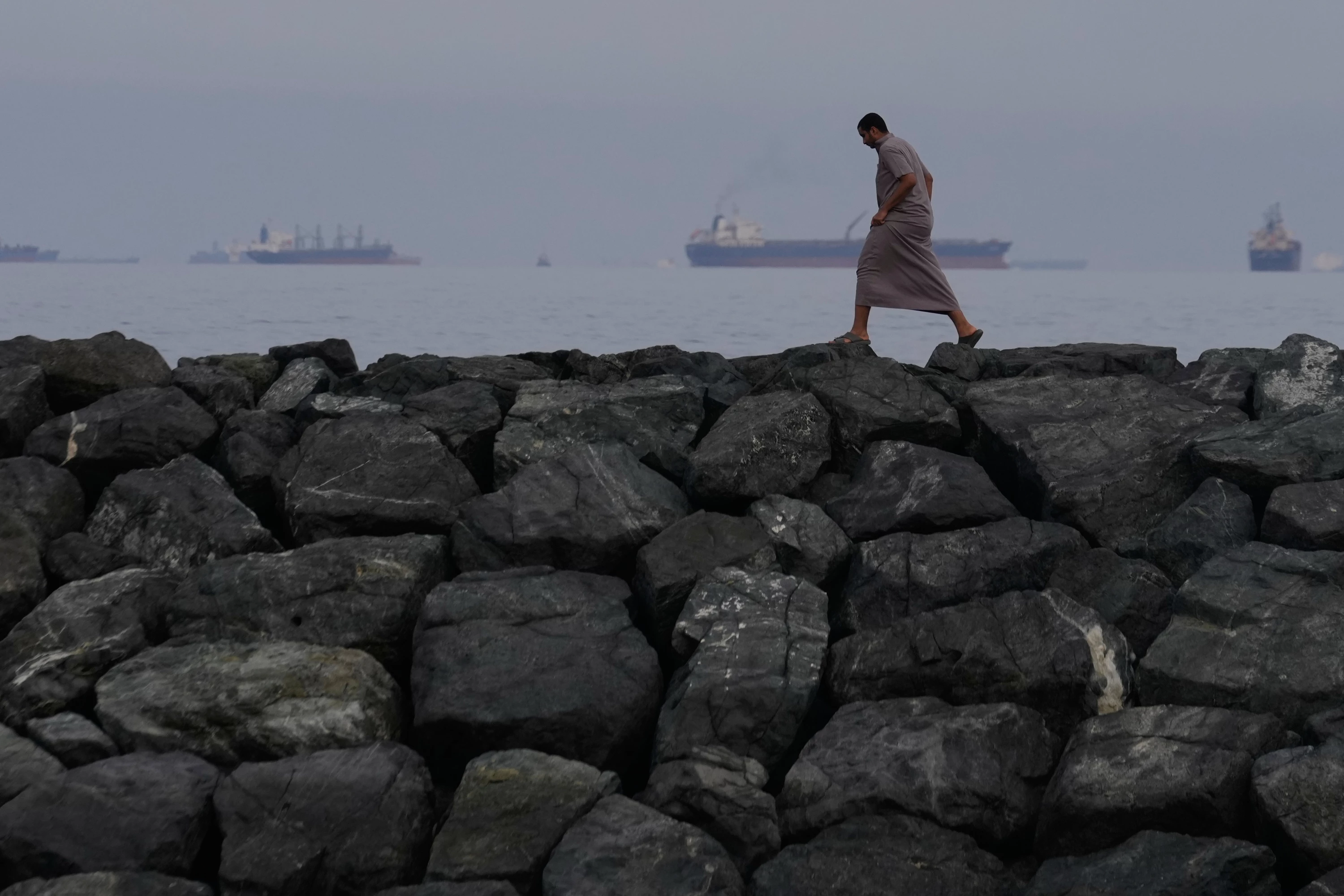
The Strait of Hormuz, responsible for roughly 20 percent of the world’s oil, was closed by Iran as a means in its war with the US and Israel since the conflict started in late February, sharply driving up global oil prices. Its traffic now relies on the shaky Israel-Lebanon ceasefire.
 Facebook
 LinkedIn
 Telegram
 X
X