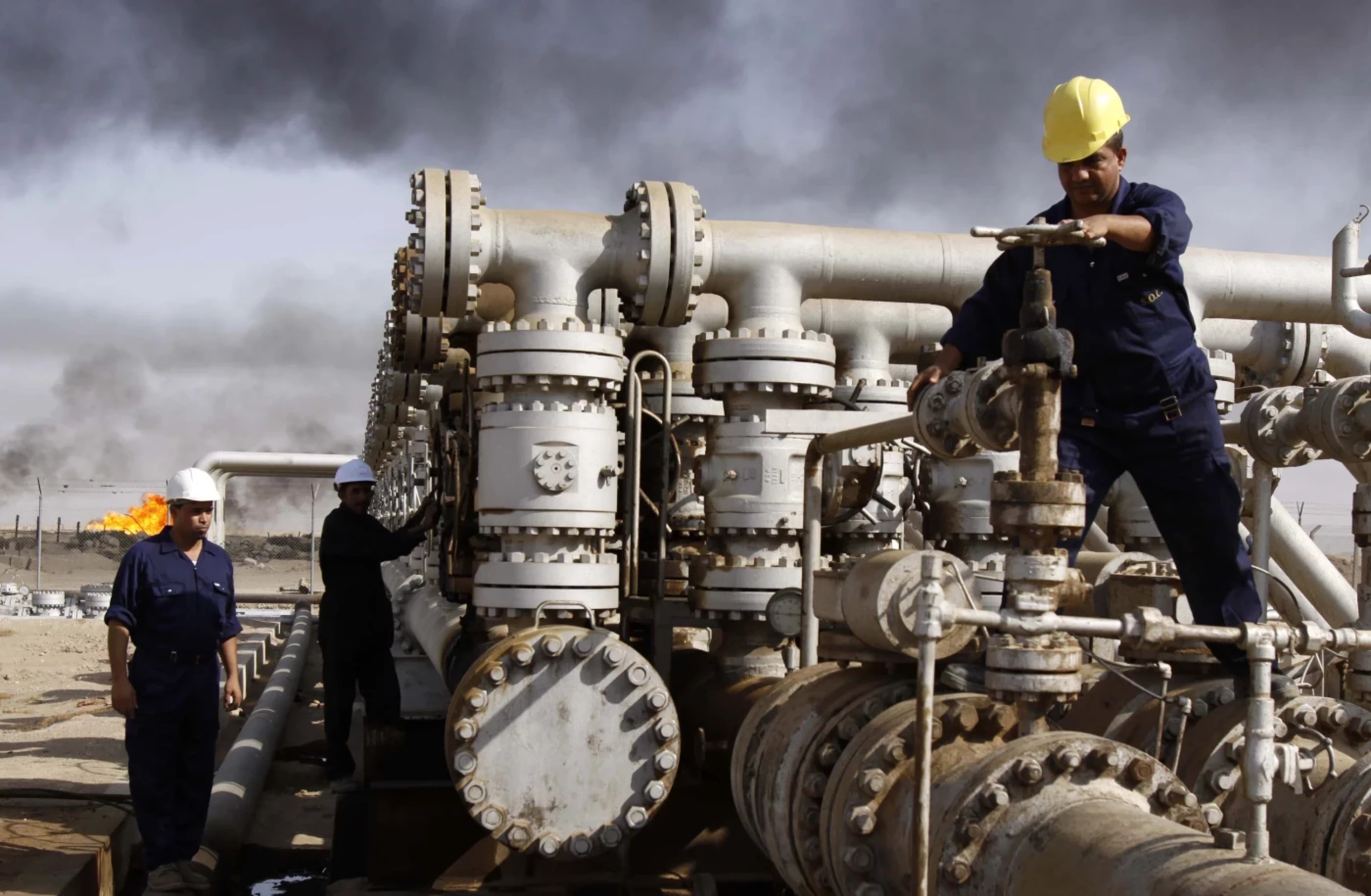
ERBIL, Kurdistan Region of Iraq - Iraq’s oil ministry said Saturday that oil exports from all fields will resume within the next few days, with all facilities prepared for shipments, according to state media, coming after extensive disruption caused by the US-Israel war on Iran.
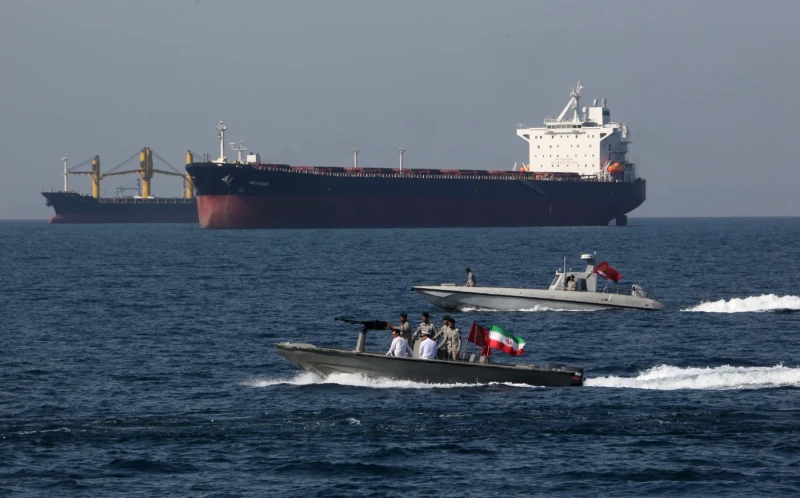
As a result of the conflict and the closure of the Strait of Hormuz, Iraq exported 18.6 million barrels of crude oil in March, generating about $1.95 billion in revenue, marking a steep plunge compared to February’s 99.8 million barrels that raked in $6 billion.
“The door is open to all companies,” ministry spokesperson Assem Jihad Bazoun told the Iraqi state media, adding that officials have been in contact with major shipping companies and tankers to arrange export contracts.
“Within the next few days, we will resume exports, and all fields are ready for export,” he said.
The reopening of the strategic waterway, announced by Iranian Foreign Minister Abbas Araghchi, however, was swiftly reversed on Saturday, with Iran's Islamic Revolutionary Guard Corps (IRGC) citing a continued blockade on Iranian ports in as rationale.
Bazoun said the ministry will continue to focus on multiple export outlets to diversify shipments of crude oil and fuel oil, with Syria's Baniyas port having emerged as an alternative export route during the conflict.
He said accelerating exports “brings stability,” while also helping generate state revenues, support domestic production of petroleum products, and meet local demand for liquefied and dry gas used to keep power stations operating.
Earlier, Iraq’s transport ministry said Basra ports received a supertanker to load 2 million barrels of Iraqi oil for the first time since the reopening of the Strait of Hormuz.
On Monday, Iraq’s oil ministry said the country exported 18.6 million barrels of crude oil in March, generating about $1.95 billion in revenue, a sharp drop from February’s 99.8 million barrels worth $6 billion.
The ministry attributed the decline to regional turmoil linked to the US-Israeli war on Iran, which disrupted energy flows and raised risks around the Strait of Hormuz, the route used for most Iraqi exports.
It added that Baghdad was working to expand alternative export capacity through Ceyhan Port via the northern pipeline network.
 Facebook
 LinkedIn
 Telegram
 X
X