ERBIL, Kurdistan Region of Iraq - Iraq’s electoral commission on Sunday said a repeat election for the Kurdistan Region’s parliament would require nine months to a year, coming as the two ruling parties have failed to form a government a year and a half after the last elections.
A senior source from Iraq’s Independent High Electoral Commission (IHEC) told The New Region that a reelection is possible but “time is needed — and that to conduct any election in the Kurdistan Region or in Iraq, between nine months and one year is required, in addition to budget allocation by the government.”
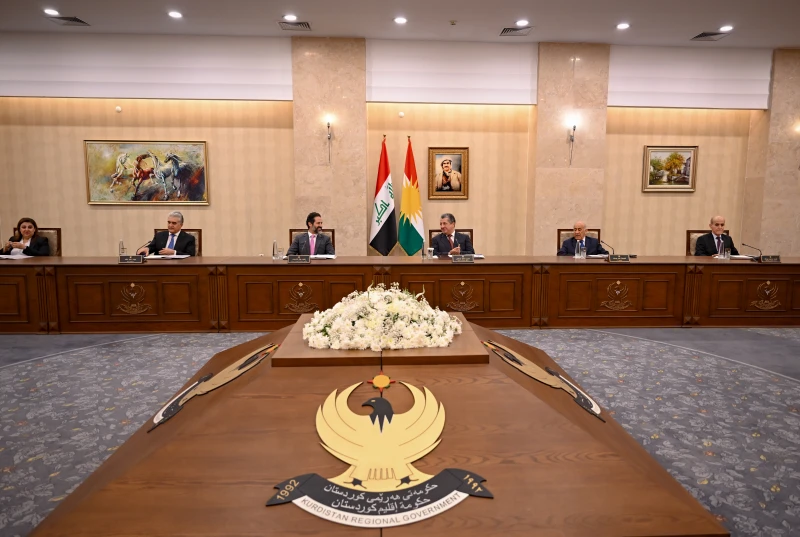
The Kurdistan Region held its parliamentary elections in October 2024, with the Kurdistan Democratic Party (KDP) emerging victorious with 39 seats, followed by the Patriotic Union of Kurdistan (PUK) with 23. The two main parties have yet to reach an agreement on forming the next cabinet, with the PUK seeking an expanded ministerial portfolio.
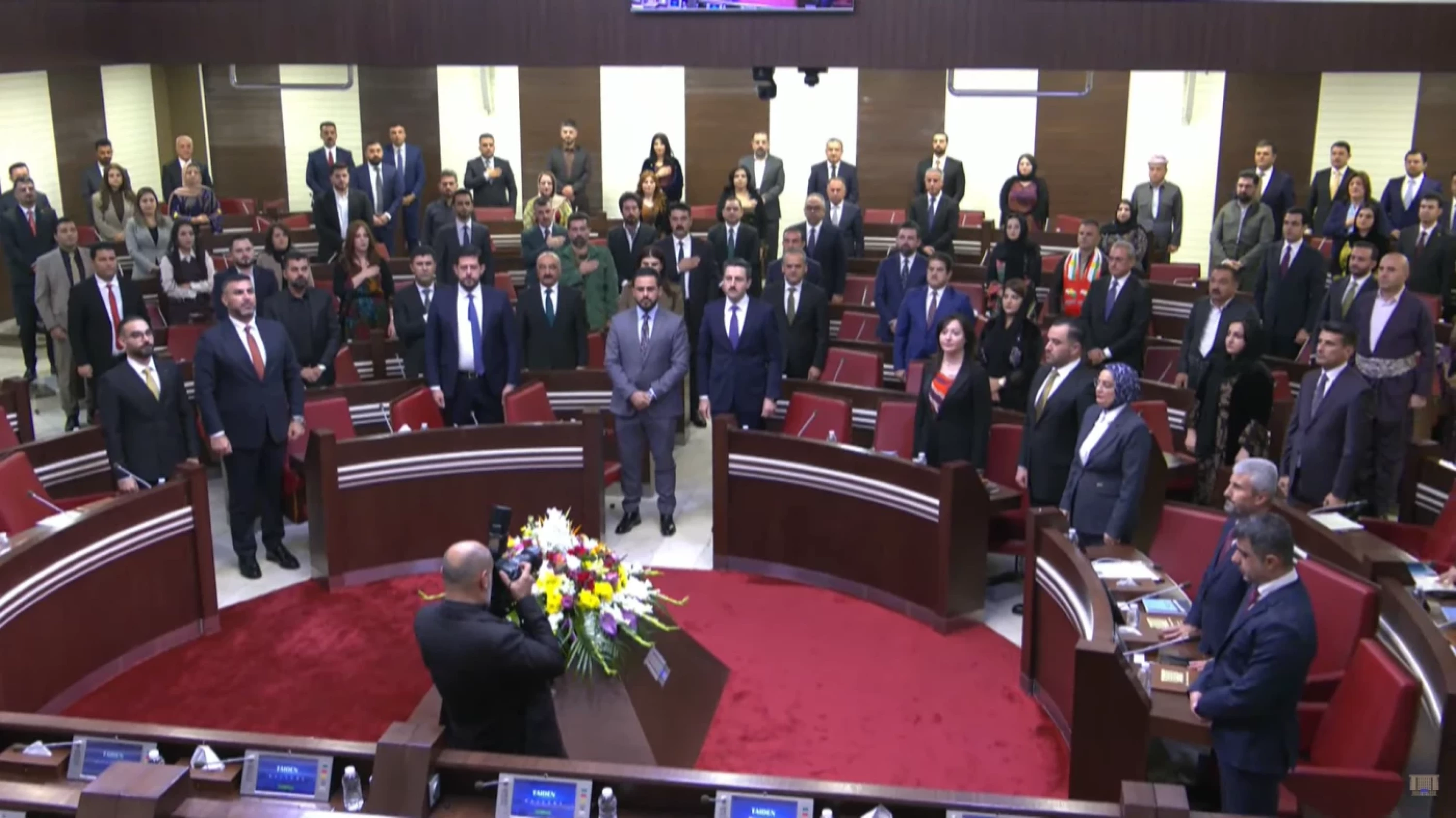
The parliament has only convened once since, with a session held in December 2024 where the newly-elected lawmakers were sworn in.
The source added that the matter rests with the Kurdish parties and factions, and that if they decide to move forward with the reelection, it would also require coordination with the federal government.
The KDP has routinely blamed the PUK for hindering the formation of the next government, accusing the rival party of making unreasonable demands.
Another issue between the two Kurdish parties was deciding on a unanimous candidate for Iraq’s presidency, a post traditionally reserved for Kurds.
Last week, the KDP, the State of Law Coalition, and the Hoquq Movement boycotted the session where Iraq’s new President was elected, citing continued disputes and the absence of a unified position on who should assume the key role.
During the session, Nizar Amedi of the PUK was elected for the top post.
The KDP’s Iraqi parliament bloc on Saturday announced that it will boycott upcoming sessions indefinitely, after previously stating that Amedi’s nomination had been pushed forward by a single Kurdish party and other Iraqi components and was not a unanimous Kurdish pick.
Iraq held parliamentary elections on November 11. The results displayed a significant victory for the KDP, which secured 27 seats and became the first Iraqi and Kurdish political party in history to surpass one million votes.
 Facebook
 LinkedIn
 Telegram
 X
X