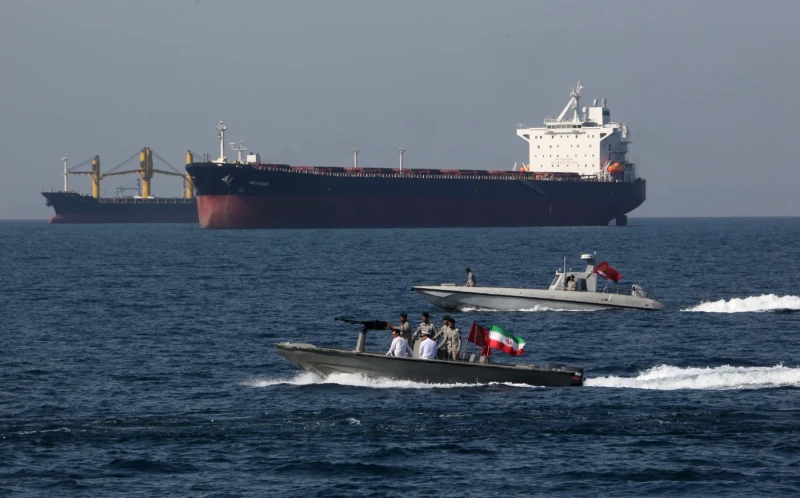

ERBIL, Kurdistan Region of Iraq – Iran has no intention of engaging in negotiations with Washington as long as the US naval blockade of Iranian ports persist, Iranian media reported on Sunday, hours after US President Donald Trump said talks would continue on Monday.
“The Iranian team has emphasized that as long as Trump's declaration of a naval blockade on Iran exists, there will be no negotiations,” semi-official Tasnim News Agency reported, citing obtained information.
The report comes hours following a statement published by Trump on Truth Social, where he said his representatives “are going to Islamabad, Pakistan, they will be there tomorrow evening, for negotiations.”
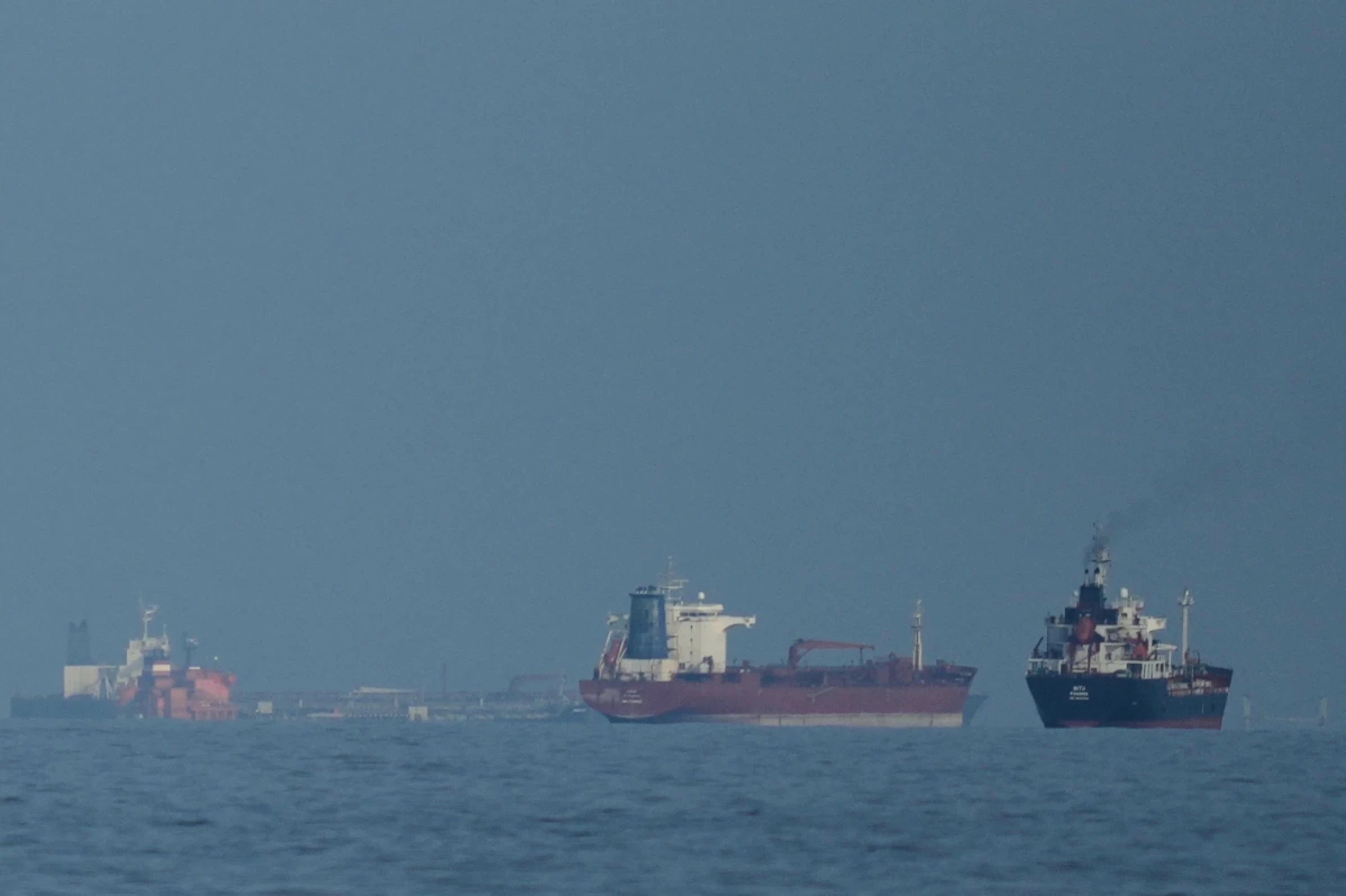
In the same statement, the US president described Tehran’s decision to close the strategic strait as “strange,” claiming that a US-led blockade had already shut the waterway.
In contrast to Trump’s Sunday remarks, US Joint Chiefs of Staff Chariman Dan Caine said during a press briefing alongside Defense Secretary Pete Hegseth on Thursday morning that “the US action is a blockade of Iran's ports and coastline, not a blockade of the Strait of Hormuz.”
Trump further added that Washington had offered Tehran a “very fair and reasonable deal,” but warned of severe military action if Iran rejected it.
Esmaeil Baghaei, spokesperson for Iran’s foreign ministry, said Sunday that the United States’ “so-called blockade” of Iranian ports or coastline was “not only a violation of [the] Pakistani-mediated ceasefire but also both unlawful and criminal.”
After reaching a Pakistani-mediated two-week ceasefire on April 8, Iran and the US held a round of talks in Islamabad, which did not lead to a lasting solution.
According to Tasnim, communication between Tehran and Washington has continued in recent days following the first round of Islamabad negotiations, through the exchange of messages via a Pakistani intermediary.
Trump’s Saturday statement on Truth Social also claimed that the two sides were engaged in “very good conversations.”
The correspondence is essentially a continuation of the same process as during the first round of negotiations, Tasnim said, which failed to produce a lasting agreement.
Iranian authorities have routinely cited the American side’s “excessive demands” and lack of political will for the failure of the talks, while Washington has blamed it on Tehran’s refusal to give up its nuclear ambition.
 Facebook
 LinkedIn
 Telegram
 X
X