ERBIL, Kurdistan Region of Iraq - Iran on Monday said it has no plans for the next rounds of talks with the US in Islamabad, citing Washington’s “contradictory behaviours,” while the US delegation heads to the Pakistani capital.
US President Donald Trump announced Sunday that the US delegation will travel to Islamabad on Monday, threatening major strikes should talks fail. Iran has yet to announce whether it will participate or not.
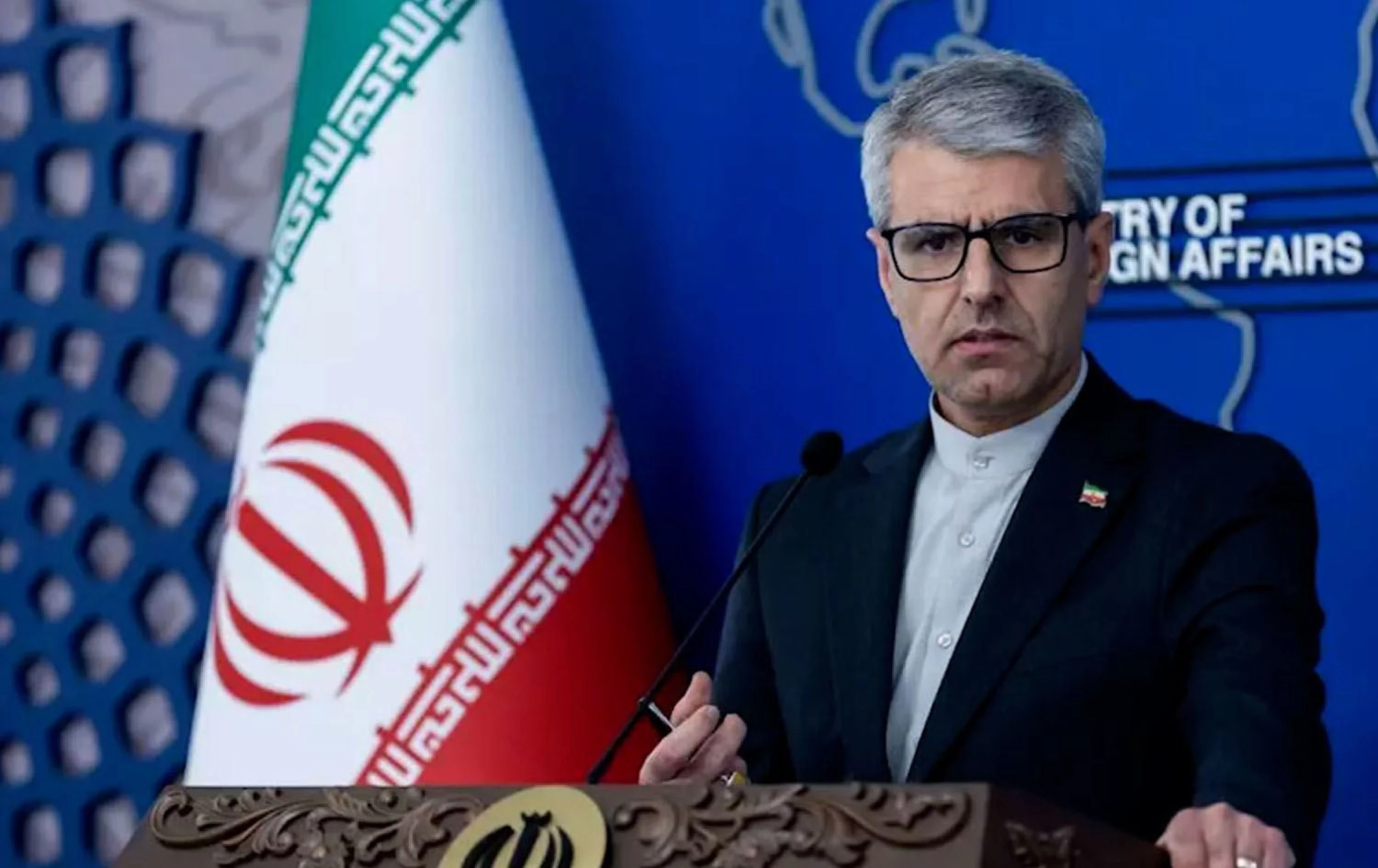
“The US has shown that it is not serious about pursuing the diplomatic process by adopting contradictory behaviors and continuously violating the ceasefire provisions,” foreign ministry spokesperson Esmail Baghaei told reporters.
“We have no plans for the next round of talks and no decision has been made in this regard,” he added.
Baghaei said a US proposal given to them by Pakistani military chief Asim Munir on Wednesday is still under review.
Following daily strikes on Iran and its retaliatory strikes across the region which started in late February, Washington and Tehran reached a shaky two-week ceasefire which is set to expire on Wednesday and if Iran refuses to negotiate, an extension seems unlikely.
“We are facing ceasefire violations; during a period when this pause was supposed to be in effect, we have witnessed ceasefire violations in Lebanon, what they call Iran's naval blockade has been raised, and there has been an attack on a commercial ship,” Baghaei said.
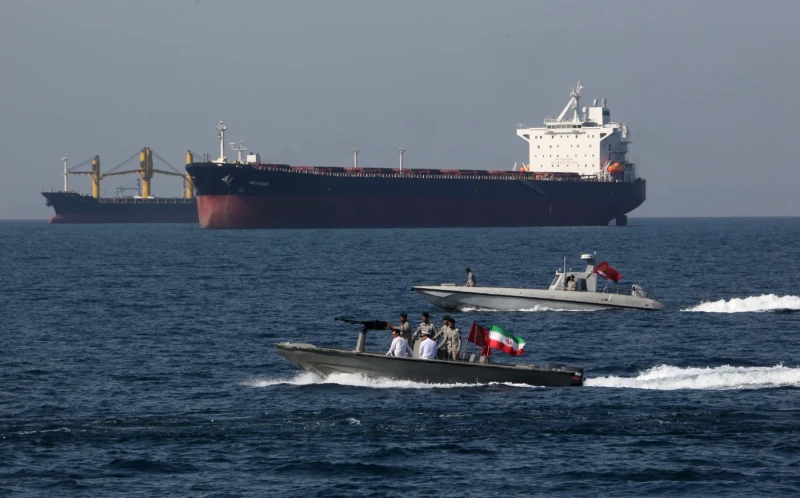
On Sunday, US President Donald Trump said an Iranian-flagged vessel, identified as TOUSKA, tried to pass the US naval blockade near the Strait of Hormuz, and was subsequently struck and later seized by the American forces.
“Under such circumstances, the real question is how one can trust the US claim about reconciliation and diplomacy,” Baghaei said.
Trump has also accused Iran of violating the ceasefire agreement by opening fire in the Strait of Hormuz on Saturday, saying some shots were aimed at a French vessel and a British freighter.
Iran closed the Strait of Hormuz which is responsible for roughly 20 percent of the world’s oil shipments as a means in its war against the US and Israel, sharply driving up global oil prices.
Tehran reopened the strait on Friday, however after the US refused to lift its naval blockade on Iranian ports, it was closed off again a day later.
The strait was initially set to remain open for the remaining period of the ten-day ceasefire between Israel and Lebanon, which is set to expire on April 26.
A key US demand for ending the war, and one of the main justifications for launching the military operation in February, was for Tehran to halt its nuclear program, a demand routinely rejected by Iranian leadership, who insist on the country’s right to “peaceful” uranium enrichment.
The US also wants Iran to give up its enriched uranium stockpile to which Baghaei said: “At no stage of the current or previous negotiations has the issue of transferring Iran's enriched uranium reserves to the United States or any other country been raised, and fundamentally this option is not on the agenda of the Islamic Republic of Iran.”
As both sides trade blame for ceasefire violations and mixed messages come from both sides, it is unclear whether the region will be thrown back into the daily drone and missile strikes or a lasting solution will be reached by the conflicting sides.
“We have very good conversations going on,” Trump told reporters at the White House on Saturday, while Iranian officials continue expressing their distrust of the US.
 Facebook
 LinkedIn
 Telegram
 X
X