ERBIL, Kurdistan Region of Iraq - Following high-level talks in Islamabad and Muscat, Iranian Foreign Minister Abbas Araghchi arrived in Russia on Monday to continue discussions on the latest regional developments with Russian President Vladimir Putin and other senior officials, while talks with Washington have stalled.
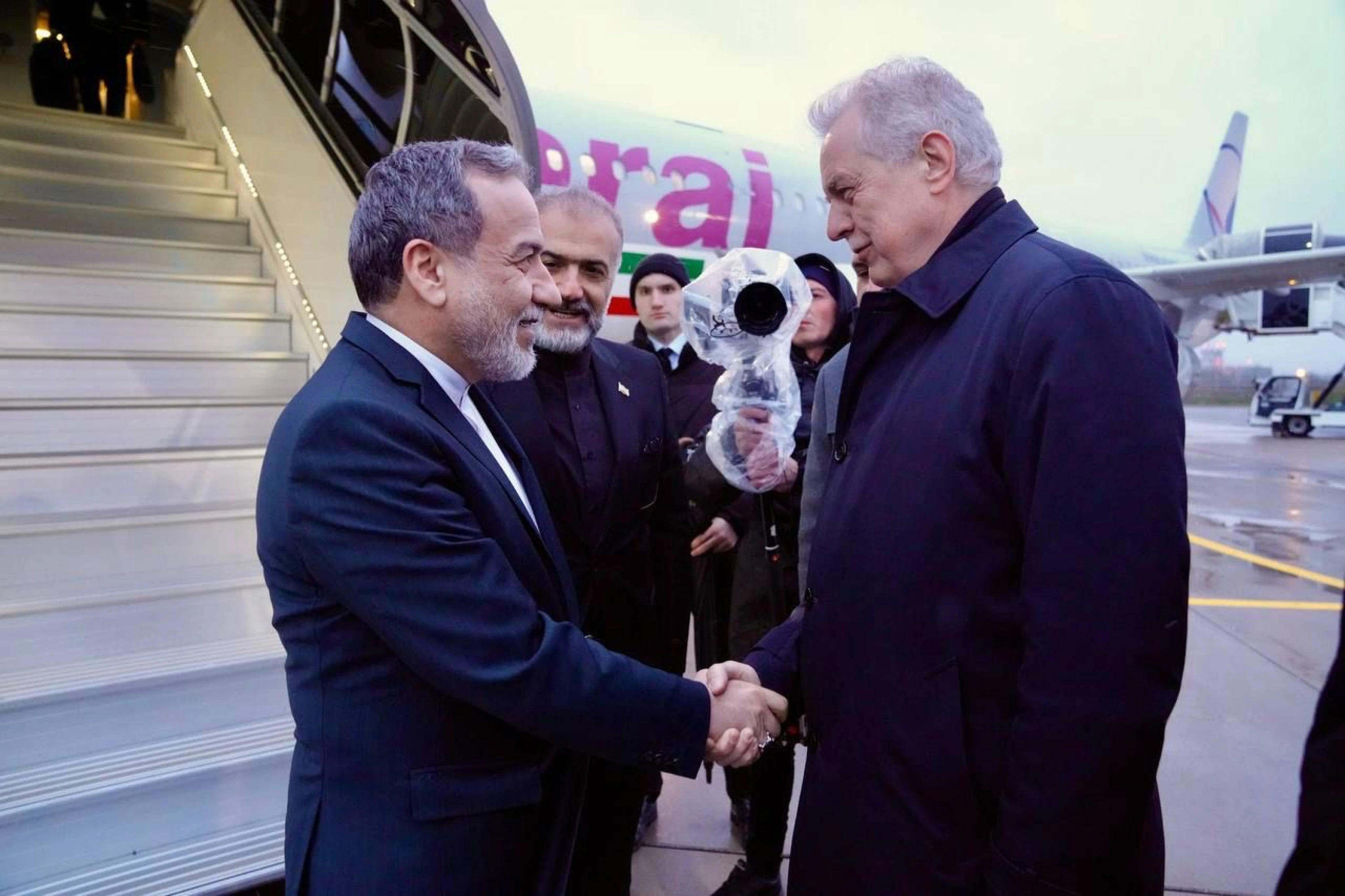
Upon his arrival in Saint Petersburg, Araghchi said, by taking advantage of the ceasefire and “in continuation of my trips to Pakistan and Oman, a trip to Russia was also arranged. This opportunity was provided to consult with our Russian friends about the developments related to the war during this period and the current situation.”
The visit comes as part of a tour that took Araghchi to Pakistan and Oman, which have both mediated between the warring sides, with the final destination being Russia which remains a key ally of Iran.
The minister first visited Pakistan which acted as a mediator between Washington and Tehran amid the recent conflict, hosting the two warring sides for negotiations on April 11, which did not bear fruit.
“The wrong approaches and excessive demands of the United States have prevented the previous round of negotiations from achieving their goals despite the progress. Therefore, it was necessary to consult and review the current situation with our friends in Pakistan,” he said.
Iranian authorities have routinely cited the American side’s “excessive demands” and lack of political will for the failure of the talks, while Washington has blamed it on Tehran’s refusal to give up its nuclear ambition.
The two sides have also repeatedly traded blame for violating the shaky ceasefire between them.
After Islamabad, Araghchi went to Muscat which has also acted as a mediator between Iran and the US prior to the recent conflict and the 12-Day War in June 2025.
In Muscat, Araghchi discussed the Strait of Hormuz, a key waterway where roughly 20 percent of the world’s oil is shipped. Iran has shut it as a means in its war against the US and Israel, sharply driving up global oil prices.
The US then imposed a naval blockade of its own on Iranian ports, another reason cited by Tehran for not participating in talks.
“Safe passage through the Strait of Hormuz is an important and global issue, and we and Oman, as two countries overlooking this strait, need to have close coordination to ensure common interests. In any action taken in this regard, the interests of Iran and Oman are directly involved,” Araghchi said.
US envoys Steve Witkoff and Jared Kushner were scheduled to visit Islamabad on Saturday and engage with Iranian negotiators, but Araghchi left Islamabad on the same day the American delegation was supposed to arrive.
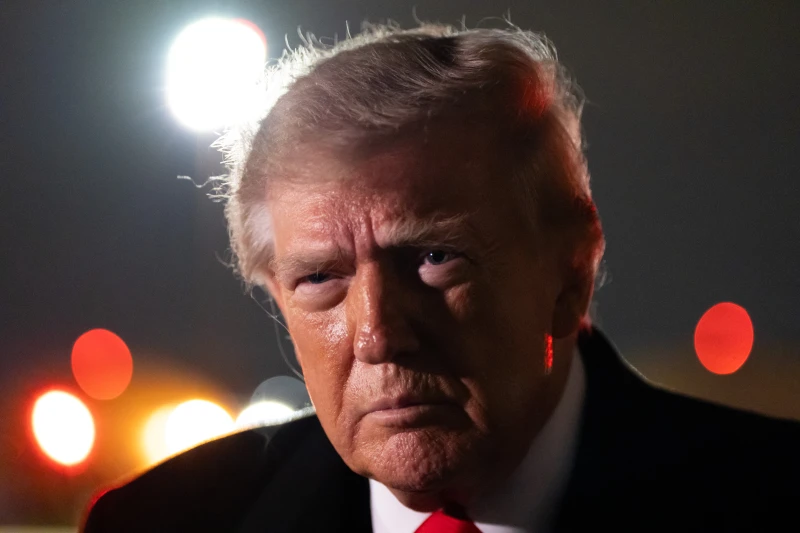
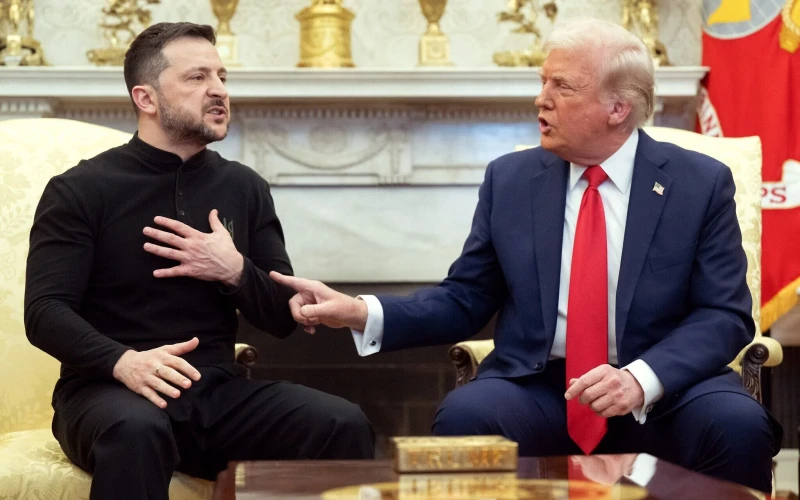
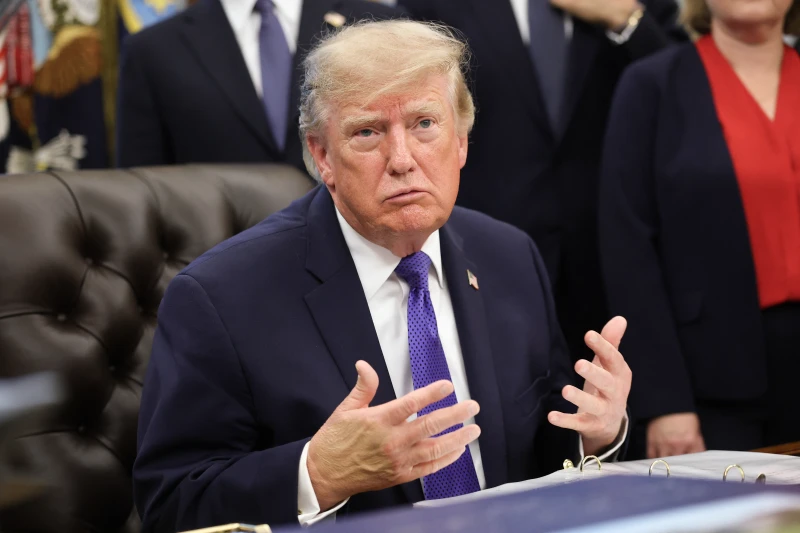
Speaking to reporters, US President Donald Trump said he had called off the dispatch, claiming it was due to the lengthy travel time.
“We’re not going to spend 15 hours in airplanes all the time, going back and forth, to be given a document that was not good enough. So, we’ll deal by telephone, and they can call us any time they want,” said Trump.
“They gave us a paper that should have been better, and interestingly, immediately when I canceled it [the trip], within 10 minutes we got a new paper that was much better,” he added.
Citing an American official and two other sources, Axios reported Monday that Iran has given the US a new proposal to reopen the Strait of Hormuz and end the war, while postponing nuclear negotiations to a later stage.
 Facebook
 LinkedIn
 Telegram
 X
X