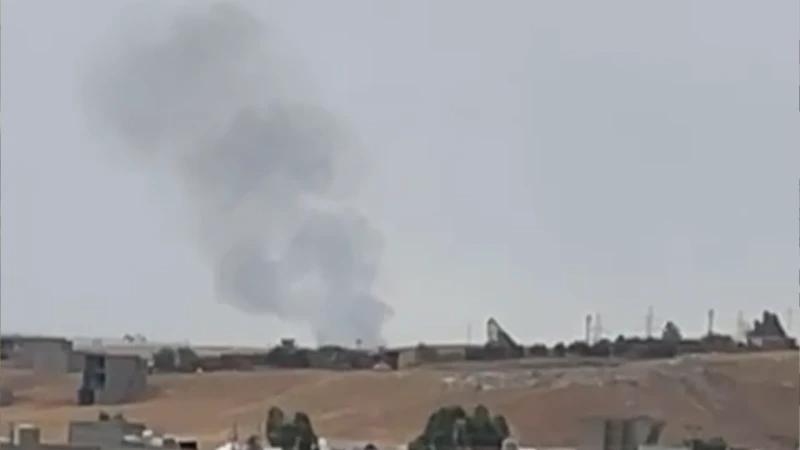
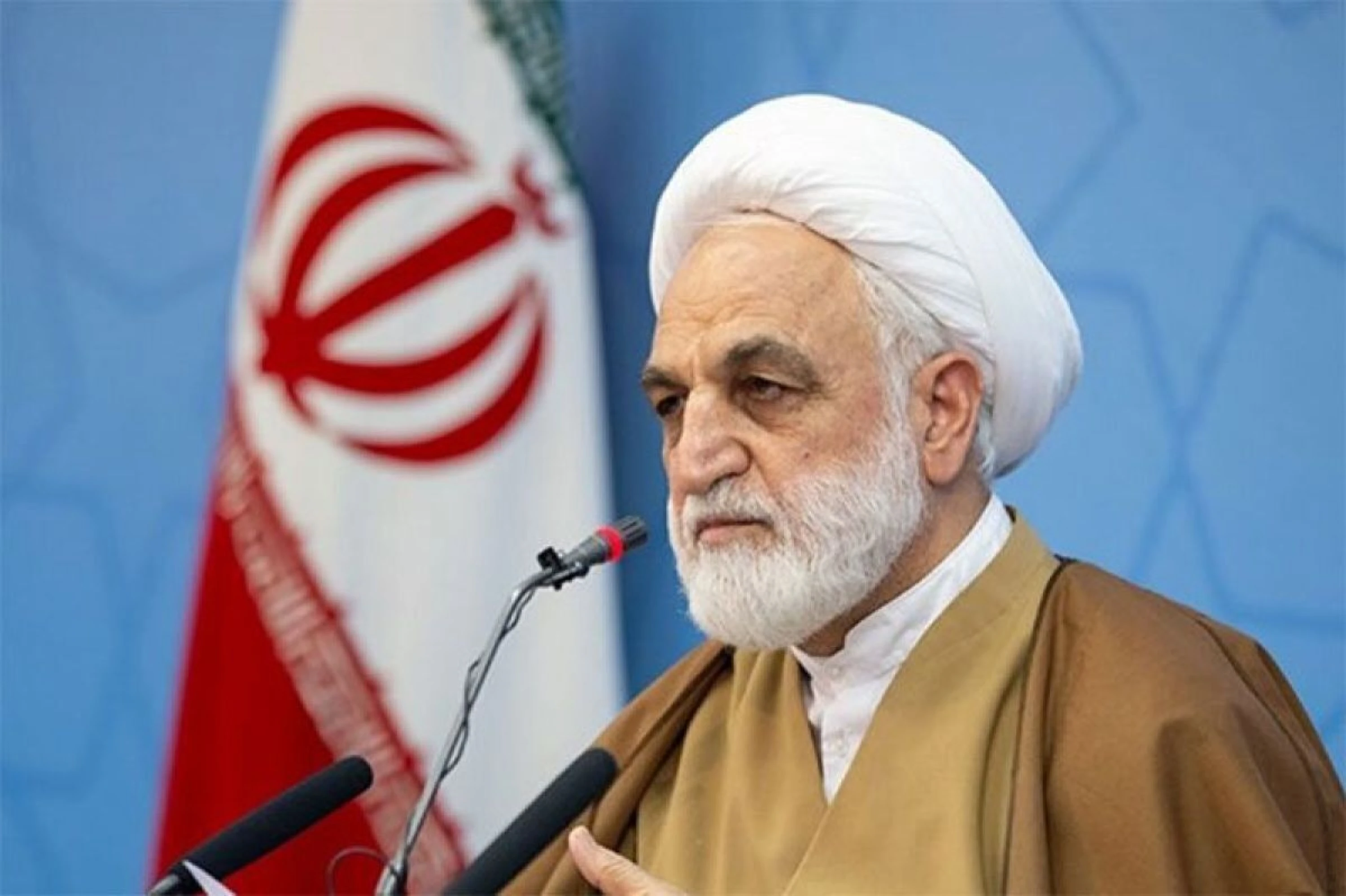
ERBIL, Kurdistan Region of Iraq – Iran’s judiciary chief on Thursday again ordered the acceleration of trials in cases involving individuals accused of collaborating with the US and Israel, describing them as “ground soldiers” and alleging they assist the “enemies” from inside and outside Iran.
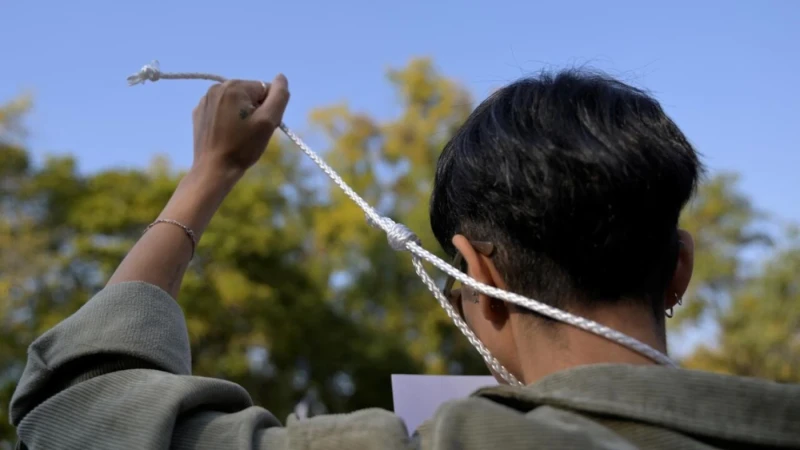
Iran has carried out at least 21 executions since the onset of the US-Israeli war in Iran late February, the UN human rights office reported on Wednesday, with Tehran continuing its crackdown on dissent through national security-related charges.
“Those who are collaborating with the enemy, those who are acting as ground soldiers of the enemy, possibly helping from inside and outside the country, these people should be prosecuted, they should be quickly identified, they should be quickly tried,” Gholamhossein Mohseni Ejei said during a Thursday meeting with senior judiciary officials, in a video aired by state broadcaster IRIB.
Earlier in April, Ejei warned that cases of those allegedly collaborating with the United States and Israel should not be handled through “normal procedures” and ordered that they be dealt with “exceptionally and specially in all stages.”
Referring to entities and individuals opposing executions, he said, “who are you to say do not execute them? You are wrong to say that,” adding that those individuals were allegedly involved in killing Iranians and creating instability in the country during wartime.
“We will pay no attention to such statements or to the pressures from some of these arrogant powers, who still think they possess the influence they once imagined they had,” he said.
“We will punish these people with whatever punishment is permissible under the law,” Ejei said, describing it as “natural,” based on what he claimed to be “the law, fairness, and justice.”
The judiciary chief further ordered his colleagues, saying, “I want the case files to be reviewed quickly, accurately, and genuinely, verdicts to be issued sooner, to be carried out according to the law, and for the public to be informed at every stage of this process.”
Tehran, during periods of heightened tension, carries out waves of arrests on alleged espionage charges and for “corruption on earth” (efsad-e fel-arz), “enmity against God” (moharebeh) and “armed rebellion against the state” (baghi), which are often punishable by death under the Islamic Republic of Iran’s judicial system.
In most cases, the state publishes alleged confession interviews from detainees.
Iran has a long history of broadcasting confessions that human rights groups say are coerced, often obtained through threats, psychological pressure and, in some cases, physical torture. They are commonly described as “forced confessions.”
Especially during periods of heightened tension, such as the January nationwide protests, the US-based Human Rights Activists News Agency (HRANA) reported that more than 240 forced confessions were broadcast in the aftermath of the crackdown.
Another confrontational measure against dissent has been the mass confiscation of assets belonging to more than 600 Iranians, the majority of whom live abroad, on charges of treason and supporting hostile actors against the state.
 Facebook
 LinkedIn
 Telegram
 X
X