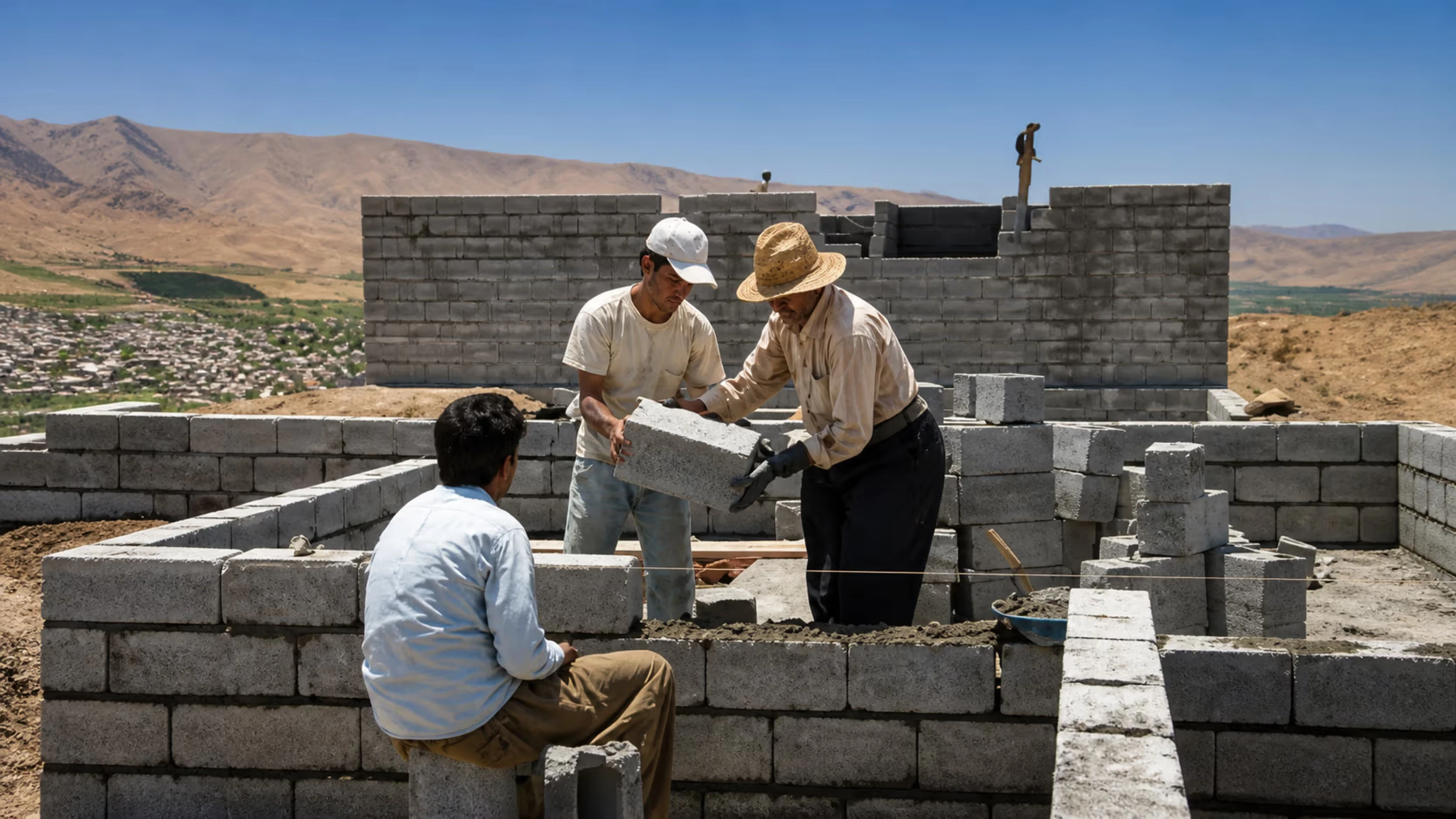
ERBIL, Kurdistan Region of Iraq - As construction projects and its workforce increase in the Kurdistan Region, syndicates on Friday, Labour Day, called for better work environments and safety measures to curb the rise in deaths on construction sites.
Osman Zindani, head of the Construction Workers' Union, told The New Region that at least 24 workers have lost their lives across the Kurdistan Region since the start of the year, including eight foreign nationals and one woman.
Last year there were 18 deaths in total, he added.
The main causes for the injuries at construction sites have been contributed to falling off buildings, electric shocks, accidents involving equipment, collapse of walls and foundations of buildings, and traffic and vehicle accidents during work.
During the Kurdistan Region’s ninth cabinet, the number of registered workers has increased from around 80,000 to over 305,000, according to data from the Kurdistan Region’s labour ministry.
With the increase, the ninth cabinet also passed a new Labour Law to ensure fair wages, the provision of social security, and the creation of a safe working environment for private sector workers.
In case of an accident, the labour ministry follows up on workers’ complaints and monitors court cases until they are resolved.
Kurdistan Region Prime Minister Masrour Barzani reaffirmed the Kurdish government’s commitment to protecting workers’ rights in a statement marking Labour Day.
“On this occasion, we reaffirm the KRG’s [Kurdistan Regional Government’s] commitment to promoting and protecting workers’ rights and improving their livelihoods and working conditions. We will do all we can to protect them from any injustice and mistreatment,” he said.
For his part, Iraqi Prime Minister-designate Ali al-Zaidi also affirmed “safeguarding the rights of civil servants and providing decent working conditions that eliminate frustration and marginalization.”
Hangaw Abdullah, head of the Kurdistan United Workers’ Union, told The New Region on Friday that the union has submitted a list of proposals to the KRG calling for reduced working hours and guarantees of 75 percent local employment in workplaces.
Iraq was one of the first countries to join the International Labor Organization in 1932.
Despite this, child labor remains a significant challenge in Iraq. Iraq ranks fourth among Arab nations in the prevalence of child labor, following Yemen, Sudan, and Egypt.
Iraq's high child labor rates are attributed to economic challenges, including reduced family income, high unemployment and poverty rates, conflicts, displacement, and increased domestic violence against children.
 Facebook
 LinkedIn
 Telegram
 X
X