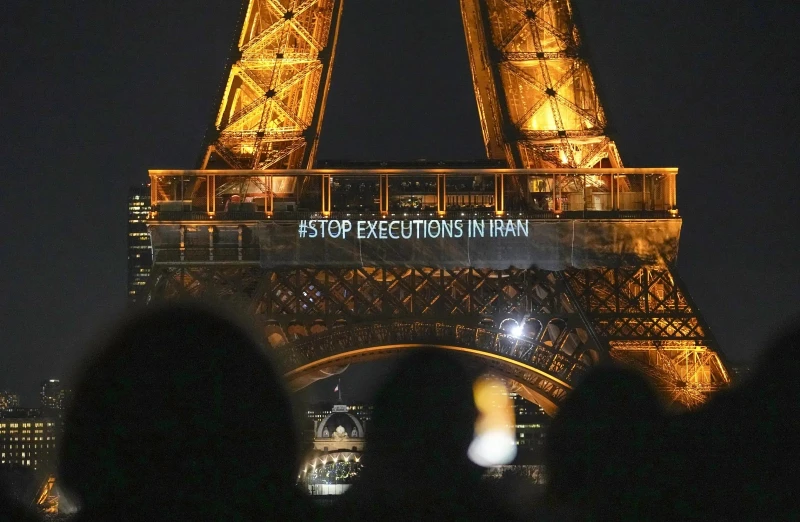
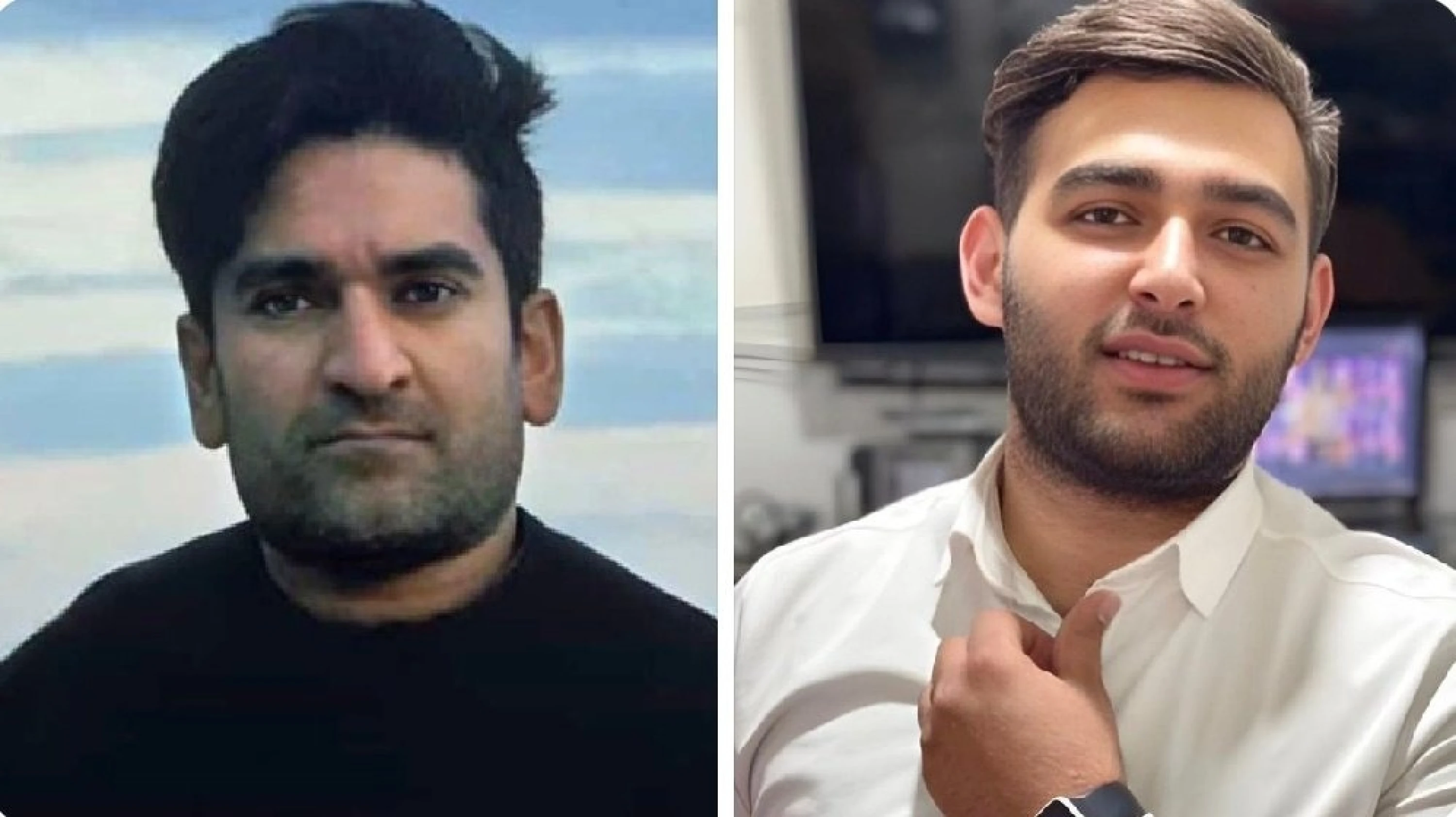
ERBIL, Kurdistan Region of Iraq – Iran said on Saturday that it carried out the death sentences of two prisoners on “espionage charges,” including Kurdish prisoner Nasser Bakrzadeh who, in his final letter from prison, which drew significant attention, said that “my first crime was being a Kurd” and warned that he would not be the last to face such a fate.
“Yaghoub Karimpour and Nasser Bakrzadeh were hanged for the crime of intelligence cooperation and espionage in favor of the Zionist regime and the Mossad intelligence service after their cases were legally examined and the sentences were confirmed by the Supreme Court,” Iranian state broadcaster IRIB said in a statement on Saturday.
The statement added that the former, a Yarsani, was allegedly cooperating with Israel during the war and shared “sensitive information” with them.
Meanwhile, Bekrzadeh was described as having allegedly “collected details of important government, religious, and provincial figures, as well as key sites such as the Natanz region,” which hosts an Iranian nuclear site.
The statement also said Bekrzadeh had “suspicious movements in sensitive areas” and was arrested following what it described as authorities’ monitoring.
A week ahead of his execution being carried out with his death sentence confirmed by the judiciary, Bakerzadeh shared his last thoughts with people in a letter saying, “This may be my last voice.”
“My parents have died and come back to life every day since the first day of my arrest,” he wrote.
His father, a well-known Kurdish Sunni cleric, and his wife, earlier in a video message to the public, called for justice and said his son was innocent.
Bakrzadeh said he was arrested three years ago by the Islamic Revolutionary Guard Corps (IRGC) and was “subjected to the most severe mental torture.”
He was sentenced to death three times, with each ruling overturned due to “lack of evidence.”
However, the most recent sentence was upheld in January, which he said was “due to the country’s conditions” amid widespread street demonstrations against the Islamic Reublic.
“My first crime was being a Kurd, and then my being a Sunni,” he said.
“Don't pass by this execution letter lightly. Today is my turn, and tomorrow is someone else's turn,” he said, adding that the news of his sentence “has killed me, shattered me, and I see myself dying every moment, and it has also destroyed my family.”
“Be my voiceless voice,” he said, directing his appeal to Kurds in Iran and around the world, as well as to his religious teachers and international human rights organizations.
Iran has a long history of broadcasting confessions that human rights groups say are coerced, often obtained through threats, psychological pressure, and, in some cases, physical torture. They are commonly described as “forced confessions.”
The US-based Human Rights Activists News Agency (HRANA) reported that more than 240 forced confessions were broadcast in the aftermath of the crackdown on nationwide anti-government protests in January.
On Thursday, Iran’s judiciary chief Gholamhossein Mohseni Ejei once again ordered the acceleration of trials in cases involving individuals accused of collaborating with the US and Israel, describing them as “ground soldiers” and alleging they assist the “enemies” from inside and outside Iran.
 Facebook
 LinkedIn
 Telegram
 X
X