ERBIL, Kurdistan Region of Iraq - Safeen Dizayee, head of the Kurdistan Regional Government's (KRG) Department of Foreign Relations (DFR), on Saturday said Erbil’s European allies must help protect the Kurdistan Region from the ongoing drone and missile attacks either directly or by supplying it with the same weapons as Baghdad.
Since the US-Israel war with Iran began in late February, the Kurdistan Region has come under hundreds of drone and missile attacks, which are ongoing despite a ceasefire between the warring parties.
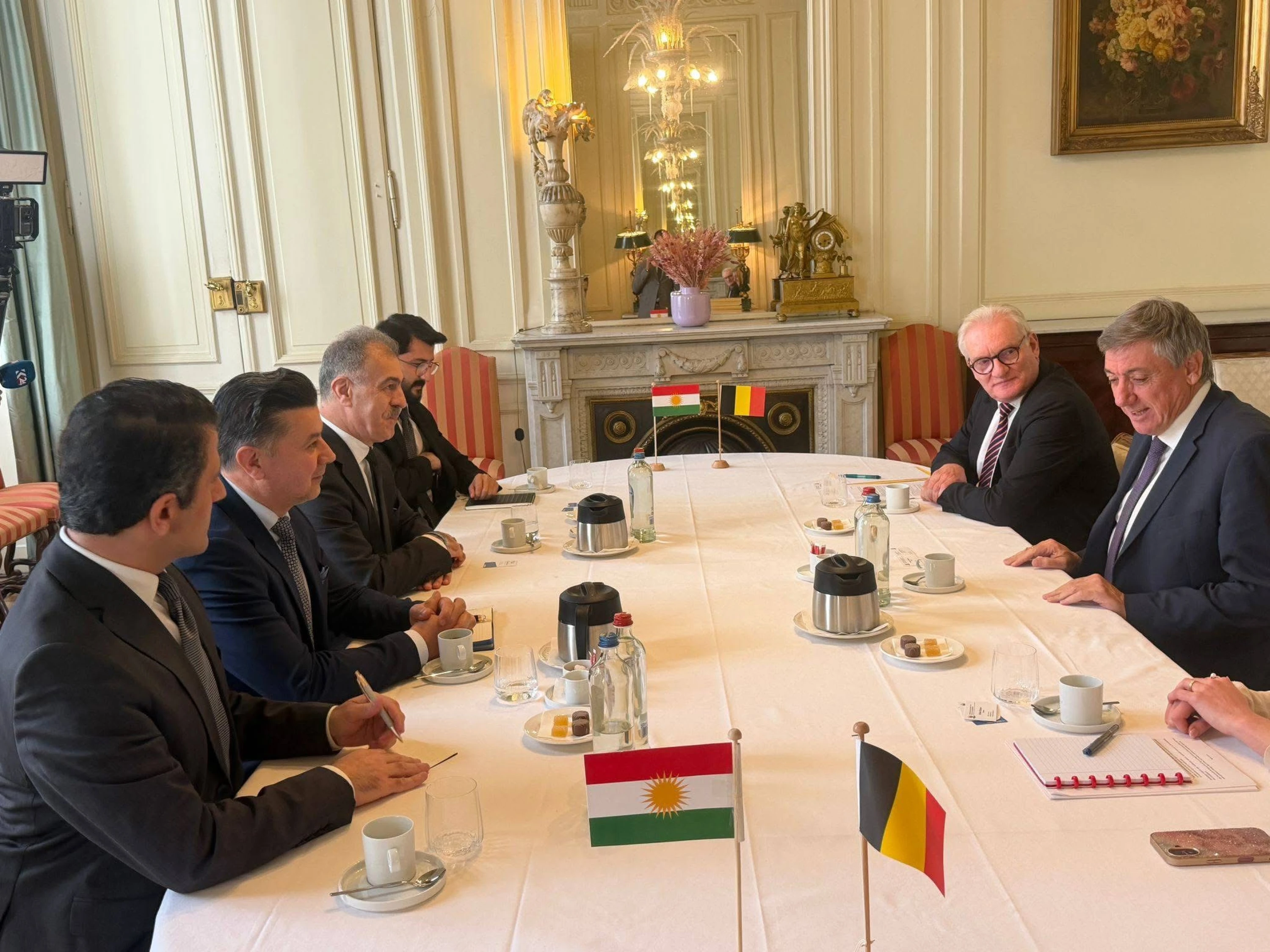
During a European tour which included official visits to France, Belgium, the Netherlands, and the United Kingdom, Dizayee said: “We made clear that the Kurdistan Region has not been and will not be party to the war, and will not allow its territory to become a threat to regional security.”
“Just as a no-fly zone was established in 1991, we now need to be protected from these acts of aggression, as defending ourselves with modern technology is beyond our current capabilities,” he added.
France and the Kurdistan Region share long-standing relations, with the French strongly advocating for the establishment of a no-fly zone over the Kurdistan Region in 1991, which ultimately led to the development of the Region’s current autonomy.
Last week, the KRG said the Kurdistan Region has been targeted in a total of 809 attacks since the beginning of the war under what it referred to as “unfounded pretexts.”
Earlier in April, the Community Peacemaker Teams (CPT) reported that even after the US-Iran ceasefire took effect on April 8, the Kurdistan Region had been targeted nearly 50 times by Iran and pro-Iran militias, with Iranian Kurdish opposition camps and bases as “the primary targets.”
“Our friends must prevent these violations. From a security standpoint, we requested that the Kurdistan Region's position be protected and that we be strengthened so that we can defend ourselves — whether through direct cooperation, or by providing the Kurdistan Region with the same equipment being supplied to Iraqi forces,” Dizayee said.
According to CPT, 75 percent of post-ceasefire attacks were carried out by the Islamic Revolutionary Guard Corps (IRGC), while 25 percent were carried out by Iran-affiliated groups.
 Facebook
 LinkedIn
 Telegram
 X
X