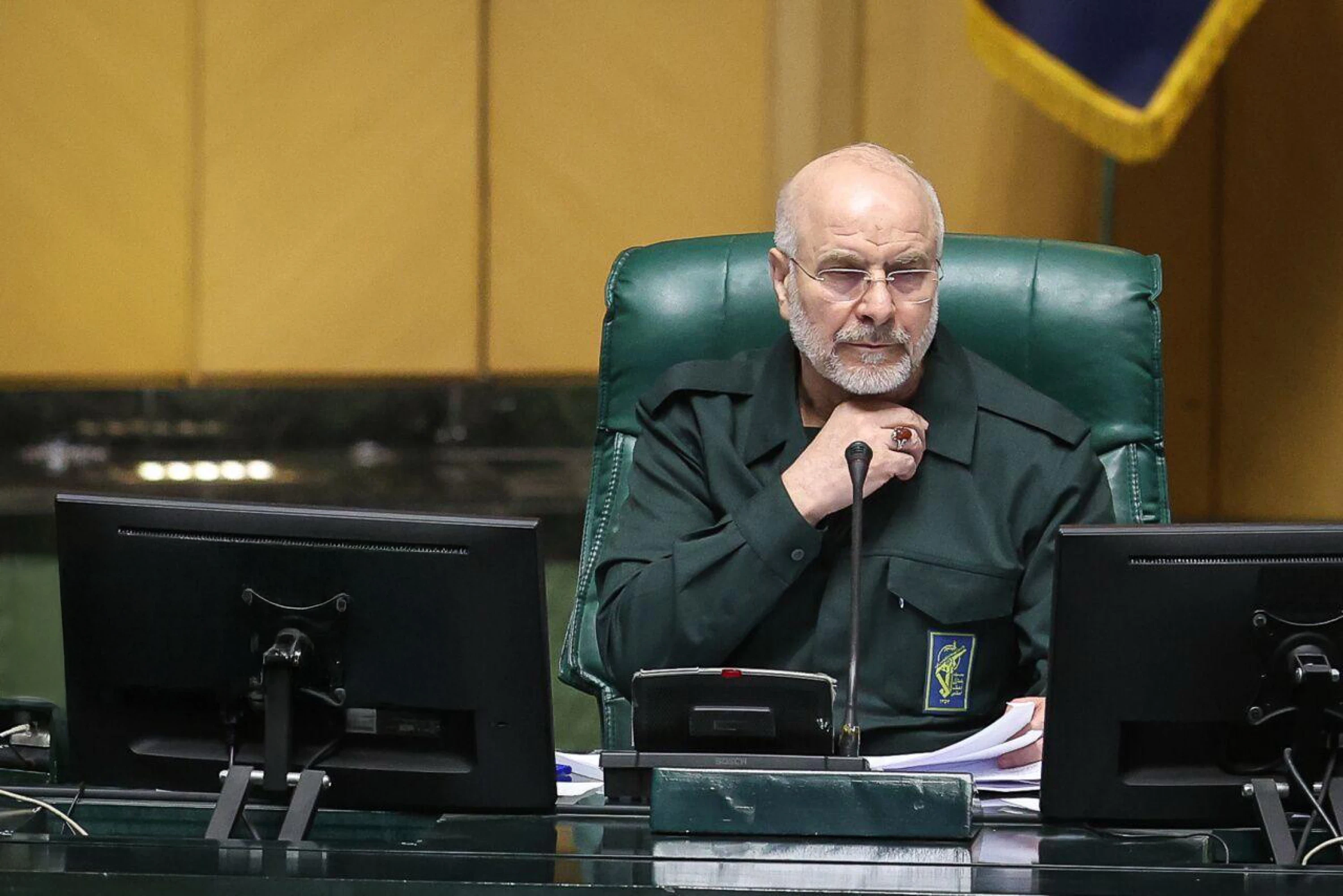
ERBIL, Kurdistan Region of Iraq – Iran’s parliament speaker on Wednesday warned citizens about US economic pressure through the naval blockade against the country that could affect national cohesion, saying people must endure the burdens “no matter how difficult” and affirming the possibility of renewed attacks.
“The enemy in its new design is seeking economic pressure and creating a tense media atmosphere by sea blockade,” Mohammad Bagher Ghalibaf said on Wednesday in a voice message.
The parliament speaker also claimed that the US “is seeking to destroy the country's cohesion in order to make us surrender.”
In a message published Wednesday, Iranian Parliament Speaker Mohammad Bagher Ghalibaf said that Iranians must endure extensive US economic pressure "no matter how difficult" the situation becomes pic.twitter.com/3mAIRNlizF
— The New Region (@thenewregion) May 6, 2026
On April 13, the US military announced that it would begin blocking sea traffic to Iranian ports after a tenuous round of peace talks in Islamabad failed to produce a lasting agreement, with the subsequent economic disruption, combined with longstanding Western sanctions, having led to extensive inflation amid stagnating wages.
Ghalibaf claimed that Washington is “very hopeful about economic pressure” imposed on Iran.
“Experts in the Iranian basin admit that the people of Iran, no matter how much economic pressure they face, endure the hardships for the sake of their independence and the honor of their homeland and for the sake of their religion and beliefs,” he added.
Ghalibaf stressed that the Iranian people “must stand against this criminal enemy, no matter how difficult it may be,” referring to the situation as a “critical juncture in Iran's history.”
The senior Iranian official also stressed that Tehran “does not underestimate the possibility of a military attack.”
Earlier on Wednesday, US President Donald Trump said that if Iran does not agree to the terms proposed by Washington, “the bombing starts, and it will be, sadly, at a much higher level and intensity than it was before.”
On Tuesday, Trump also announced that Project Freedom, an initiative to guide ships through the Strait of Hormuz, has been paused, citing requests from Pakistan as Washington eyes a potential agreement with Tehran.
Economic woes have often led to an upsurge in domestic discontent within Iran.
The country was rocked by massive nationwide protests in January, which initially erupted in Tehran’s Grand Bazaar, where business owners protested the falling value of the rial against the US dollar and called for a public strike. Tehran’s brutal crackdown to curb the protests left thousands dead, according to several monitors.
Tehran has continued carrying out executions on protest-related and national security charges, with more than 20 people put to death since the onset of the US-Israeli war in late February, the UN human rights office reported in late April.
 Facebook
 LinkedIn
 Telegram
 X
X