ERBIL, Kurdistan Region of Iraq – At a landmark trial in Baghdad against a notorious former Iraqi security official who tortured and executed Kurdish civilians during the brutal Anfal campaign, witnesses remembered with fear the abuse they experienced at the hands of their torturer, with one being just 15 years old at the time.
Hajaj Ahmed Hardan al-Tikriti, an infamous executioner of Kurds during the Baathist regime’s brutal Anfal campaign, is being tried at a Baghdad court. Dozens of Kurdish witnesses and their relatives have gathered at the court to testify against him.
The New Region’s correspondent Daroon Malanaji is present at the trial processions and recounted the story of a victim testifying before the court, highlighting the brutality he experienced under the executioner, infamously known as Hajaj.
Recounting his past, the survivor said he was just 15 years old when Hajaj slapped him so hard that he urinated himself. According to Malanaji, a child who had come to observe the proceedings covered his face with his hands after hearing the testimony. The account underscores the trauma the victims endured, many of whom were children.
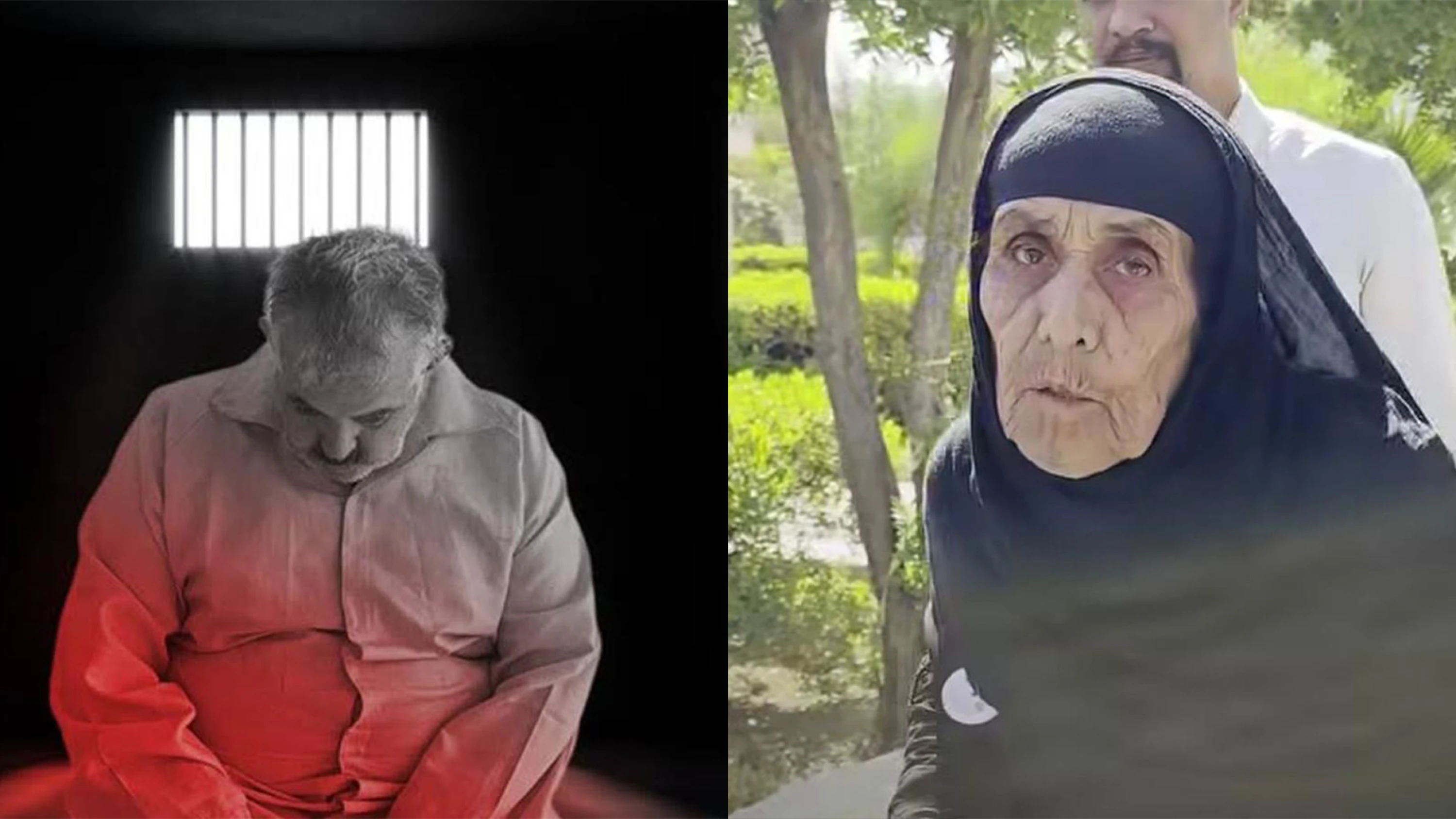
An elderly woman, who was being assisted to the courtroom, spoke to reporters about her two children who died under torture, with a bystander declaring “God’s justice was witnessed in our times,” as the old lady was enthusiastically walked to bear witness to a decades-old atrocity.
“I only wish I had more strength so I can get there faster,” she said.
She noted that since her survival from the prison, she had not eaten a loaf of bread, “even at the hotel she refused to eat it,” the man holding her arm said.
“I swear, I don’t eat it, I cannot bear the sight of it. My children died there from hunger longing for bread,” she said, mourning her children, Malak and Karwan Taher, who were 11 and four years old when they died.
At least 10 of the victims have so far given their testimonies, with 40 more awaiting their turn to tell their stories, according to Malanaji.
Jabbar Mohammed, head of the Martyrs and Anfal Affairs department in Garmiyan, told The New Region on Wednesday that 200 complaints had been filed against Hajaj, with some 50 individuals expected to take part in the trial.
According to Malanaji, Hajaj’s lawyer argued that his client’s confessions were extracted under torture and therefore could not be considered credible. Despite the lawyer’s claims, the victims insist on Hajaj’s identity and remain determined to pursue justice.
The Nugra Salman prison, a relentless prison complex in the deserts of Muthanna province, is recounted as a place of daily beatings, starvation, and fear by the Kurds who suffered through the Baath era. It is also where Hajaj would torture countless of his victims.
During the brutal Anfal campaign in 1988, which sought to suppress Kurdish resistance against the Baathist regime and saw myriad punitive atrocities perpetrated by Hussein's forces against civilian Kurds, thousands of Kurdish men were transported to the Nugra Salman prison, where Hajaj had ruled.
The prison held between 6,000 and 8,000 people, according to a Human Rights Watch (HRW) report.
 Facebook
 LinkedIn
 Telegram
 X
X