ERBIL, Kurdistan Region of Iraq – Iraq’s National Security Advisor Qasim al-Araji on Tuesday said that restricting weapons to the state is of “paramount importance” for the country’s next government, with Baghdad long under US pressure to disarm pro-Iran militias.
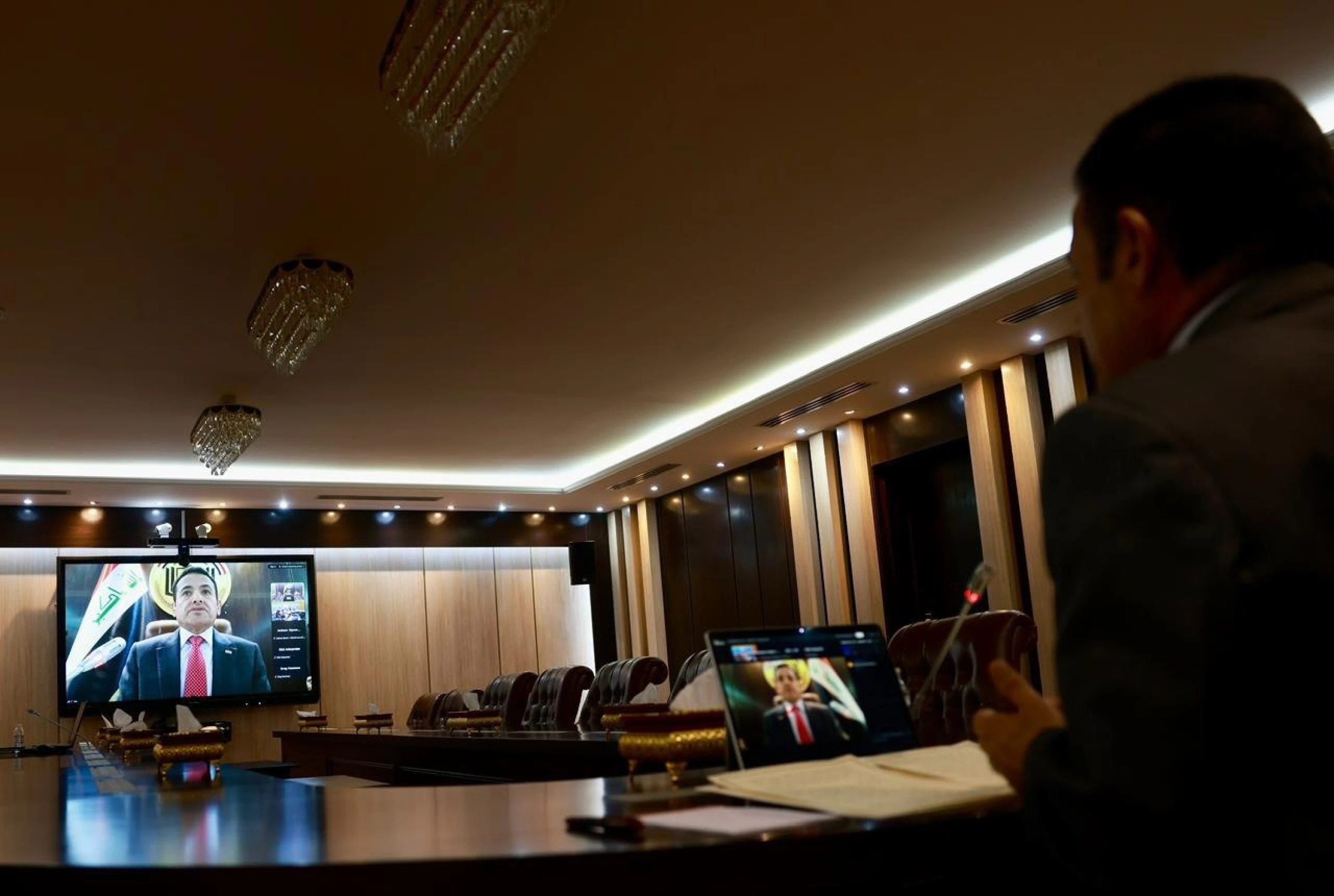
“The issue of weapons control will be of paramount importance” to the next government, Araji said during a live session on security by the Washington-based Atlantic Council.
He further called for reform in the security sector, saying security “touches the very core of the modern Iraqi state’s struggle - the struggle to establish state authority over all its territory and prevent any force from operating outside its legitimate framework.”
The top security official noted that Baghdad has launched a comprehensive framework to that end based on two fundamental pillars.
A primary pillar is the “Iraq First” national security strategy for 2025–2030, that aims to establish Iraq’s national interest above all else, and links security to development, stability, as well as a security reform strategy to be completed by 2032 to ensure “a single military command and a single armed force under the authority of the state.”
Baghdad understands meaningful partnerships with strategic partners “cannot be established without a strong state that monopolizes weapons and enforces the rule of law,” he stressed.
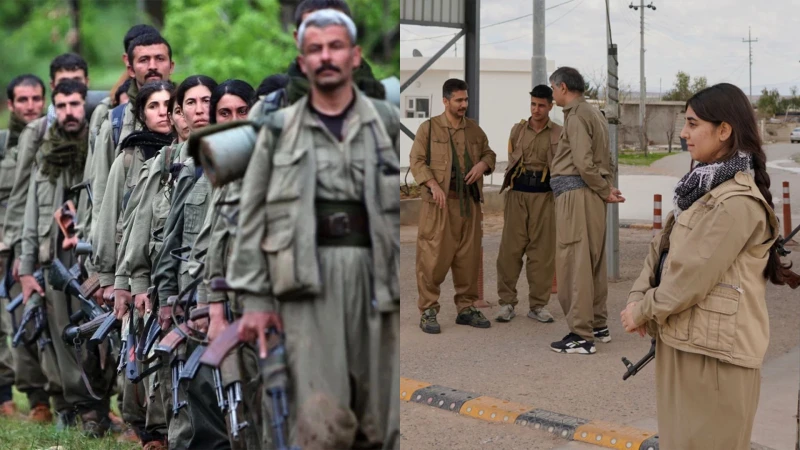
Illegal weapons in Iraq stand out as one of the most pressing challenges to security and stability. Unofficial data puts the number of arms within Iraqi society at around 15 million medium and light weapons, with armed groups and tribes possessing the bulk of them.
Iraq’s Prime Minister-designate Ali al-Zaidi was tasked with forming the country’s next government on April 27 by President Nizar Amedi, days after his nomination to the top post by the ruling Shiite Coordination Framework, the largest bloc in the parliament.
Zaidi on Thursday released his program for the next government. A copy of the program seen by The New Region shows that the “first pillar” of the state sovereignty section includes “restricting arms to the hands of the state” as Baghdad continues efforts to tighten gun ownership.
Araji added that Baghdad recognizes that addressing the issue of weapons control requires “a delicate balance between firmness and maintaining internal stability, and between enforcing the law and preventing a descent into chaos.”
Iraq’s interior ministry said in late April that it had registered around 5.8 million firearms in a national database.
 Facebook
 LinkedIn
 Telegram
 X
X