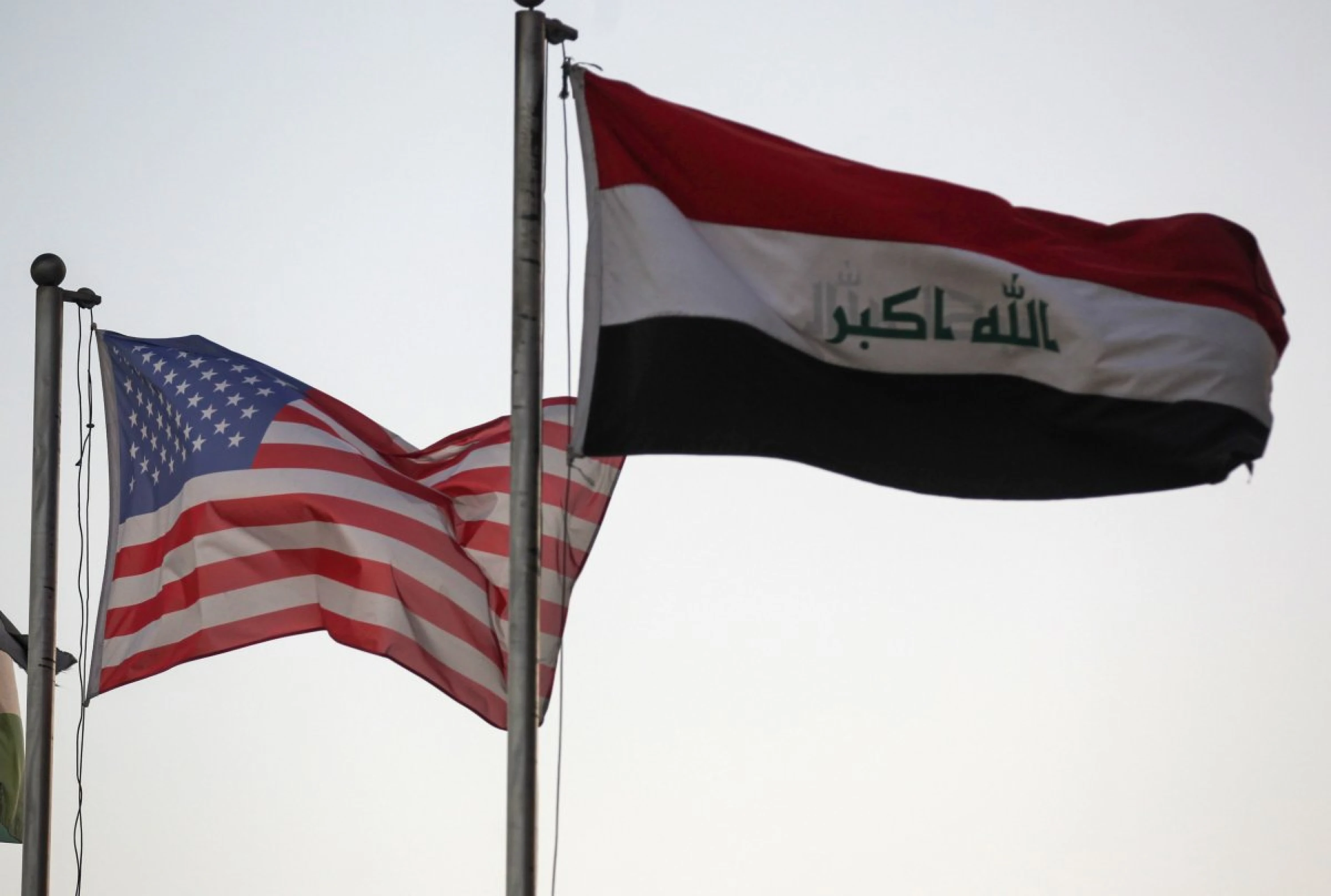
ERBIL, Kurdistan Region of Iraq - Secretary-General of the Coordination Framework Abbas al-Amiri on Wednesday expressed the soon-to-be-formed Iraqi government's willingness to cooperate with the US in investment and security, though caveating that the use of Iraq as a launchpad for military operations or as a transactional partner is unacceptable and warning that disarming non-state actors takes time.
Amiri made the comments while speaking virtually at the Atlantic Council's 2026 Iraqi Dialogue, which brings together Iraqi political actors with US officials and analysts to discuss the nature of the bilateral relationship and address challenges.
"We want a relationship with the United States ... that is sustainable and institutional," Amiri said, expressing the position of Iraqi Prime Minister-designate Ali al-Zaidi as he prepares to present his cabinet to the Iraqi parliament on Thursday.
"When the Americans are engaged in the Iraqi interest, the Iraqi state would have a strong justification for this relationship that the pathway is not only security or investment or one that makes Iraq a launchpad for aggression on other countries," he continued.
After the US and Israel launched a large-scale military attack on Iran in late February, US military and diplomatic facilities within Iraq came under retaliatory bombardment from both the Iranian state and pro-Iran factions within Iraq, many of whom fall under the auspices of the state-sanctioned Popular Mobilization Forces (PMF).
Controversy emerged last week when reports began that Israel operated a secret base in the Najaf desert with US consent, with a clash in March between what, at the time, were dubbed by authorities as unknown entities killing one Iraqi soldier in the vicinity of the purported site.
In a Monday statement, Iraq’s Joint Operations Command stated that there is an "exaggeration in statements made without knowledge of the facts," affirming that "there are no unauthorized forces or bases currently present on Iraqi soil."
"We have an open gate to American businesses," Amiri said during the forum, asserting that he hopes bilateral partnership can move away from a merely transcational nature. "We want to have more American investment in Iraq."
"Iraq doesn't need to tell others that it is an important country... it is a country that has geopolitical strengths, and the Americans understand this," citing oil as a fundamental pillar of the US-Iraq relationship.
The Coordination Framework secretary-general also said that Zaidi, himself a businessman, and his cabinet possess an enterprise-minded focus that should tie in well with the administration of US President Donald Trump.
Amiri also reasserted the nascent government's commitment to limiting the actions of non-state factions and limiting authority to the state, a demand long expressed by Washington.
"We have moved to the stage of defining the relationship between the political actors [referring to non-state armed groups] and the government in a way that Iraq's foreign relationships would be solely handled by the government and the state."
"We do not want a state inside the state, but this takes time."
Zaidi on Thursday released his program for the next government. A copy of the program seen by The New Region shows that the "first pillar" of the state sovereignty section includes "restricting arms to the hands of the state."
 Facebook
 LinkedIn
 Telegram
 X
X