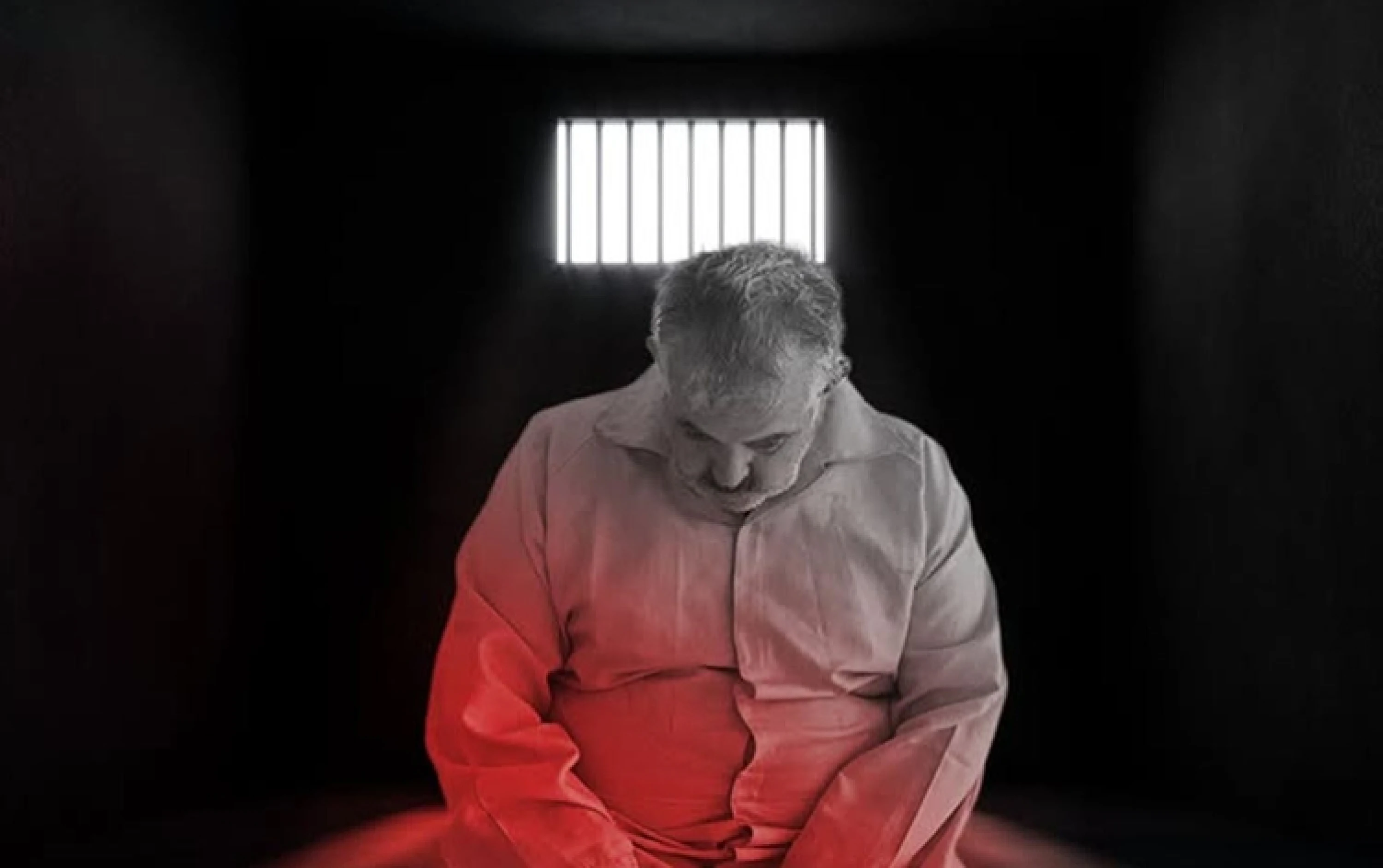
ERBIL, Kurdistan Region of Iraq – The trial of Ajaj Ahmed Hardan al-Tikriti, infamously known as Hajaj Nugra Salman, is proceeding at a Baghdad court, as more witnesses gather to testify and the court hears his defense statement.
Ayad Kakai, lawyer for the families of the victims, told The New Region that in the Thursday session, “the court will take Hajaj's statement,” wherein the court and lawyers may question the executioner.
“The court will ask the lawyers of the victims, the public prosecutor, and Hajaj's defense attorney to read their briefs, after which the court will read the charges and announce its verdict,” he said.
The complainants will not be required for further investigation and expert review, as Hajaj did not deny any accusations against him, including torture, mass killings, starvation, and sexual assault, during his investigation phase, according to the lawyer.
Last Thursday, dozens of Kurdish witnesses and their relatives gathered at a Baghdad court to testify against Hajaj. The trial was open to the public, and many journalists and relevant entities were present at the site.
Jabbar Mohammed, head of the Martyrs and Anfal Affairs department in Garmiyan, told The New Region that 200 complaints had been filed against Hajaj, with only dozens given the opportunity to testify in court.
Hajaj, the infamous executioner of Kurds at the notorious Nugra Salman prison during the Baathist regime’s brutal Anfal campaign, spent around three decades in hiding before eventually being arrested by security forces following a lengthy investigation.
The Nugra Salman prison, a relentless prison complex in the deserts of Muthanna province, is recounted as a place of daily beatings, starvation, and fear by the Kurds who suffered through the Baath era. It is also where Hajaj would torture countless of his victims.
During the brutal Anfal campaign in 1988, which sought to suppress Kurdish resistance against the Baathist regime and saw myriad punitive atrocities perpetrated by former dictator Saddam Hussein's forces against civilian Kurds, thousands of Kurdish men were transported to the Nugra Salman prison, where Hajaj had ruled.
The prison held between 6,000 and 8,000 people, according to a Human Rights Watch (HRW) report.
 Facebook
 LinkedIn
 Telegram
 X
X