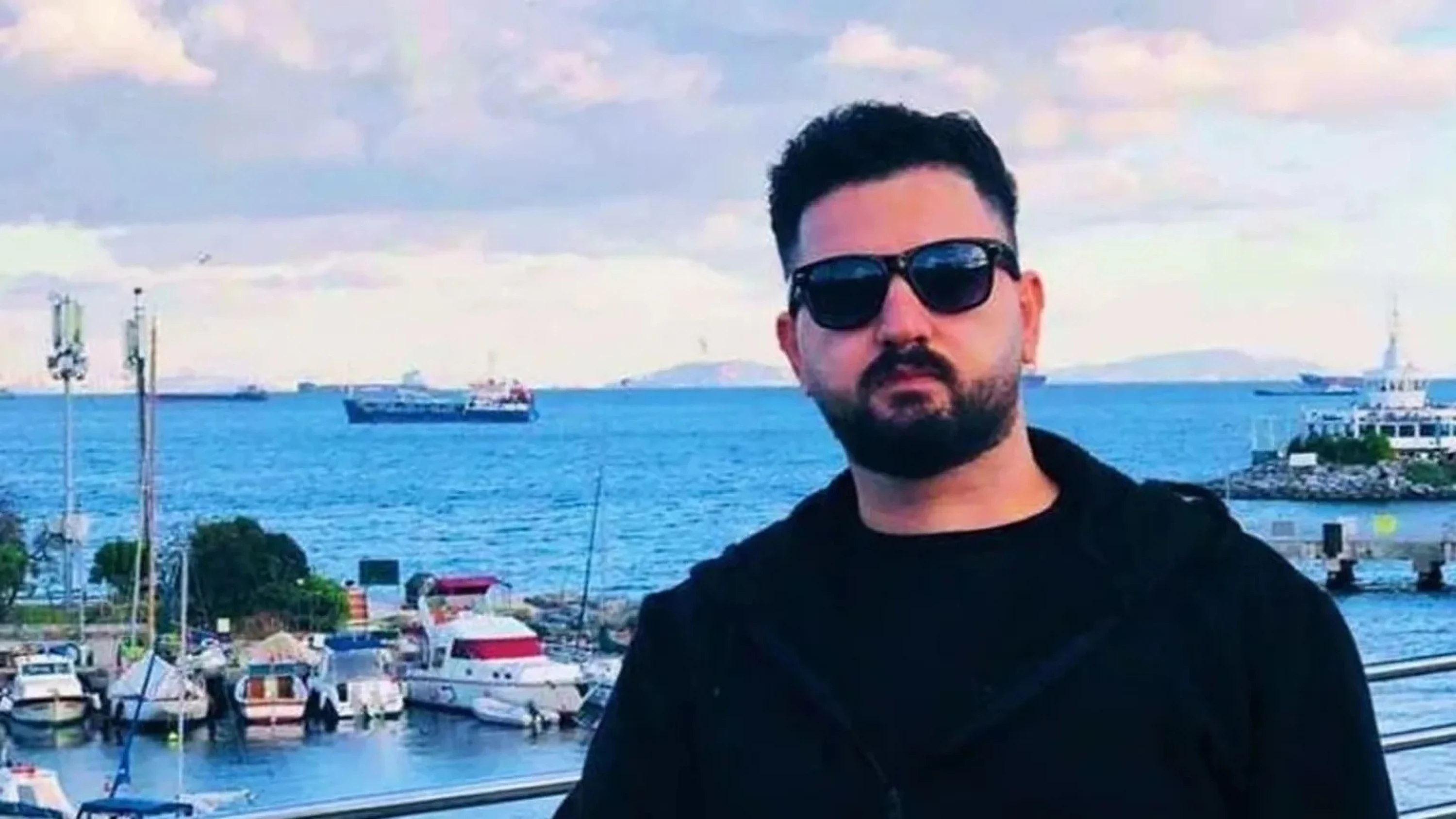
ERBIL, Kurdistan Region of Iraq – The family of a man identified by the BBC as “Kardo Ranya,” dubbed by the outlet a prolific people smuggler from the Kurdistan Region, told The New Region that the allegations were “shocking” and untrue, citing their work as laborers as evidence that their son has not engaged in illegal profiteering.
On May 12, BBC News reporter Sue Mitchell claimed to have identified a “key people smuggler” operating under the alias “Kardo Ranya,” who was allegedly believed to run a smuggling network stretching from Afghanistan to the UK.
The report said the moniker had made it difficult for international law enforcement agencies to issue an arrest warrant, later identifying him as ”Kardo Muhammad Amen Jaf.”
The two-minute video report showed how reporters contacted him and received advice from him regarding migration routes in a direct phone call.
The British outlet on Tuesday reported that, following the initial report, the alleged key smuggler Jaf was arrested on suspicion of human trafficking offenses by officers of the Kurdistan Regional Security Agency and remains in custody as investigations continue.
No official statements regarding Jaf’s arrest have been released yet by the Kurdish authorities.
The New Region reached out to Kardo’s family regarding the reports, to which they strenuously denied his involvement.
"A few days ago, when we heard through Kurdish media that our son was supposedly involved in smuggling, we were shocked, because Kardo has never done such a thing,” Mohammedamin Abdulrahman, Kardo’s father, told The New Region on Wednesday.
“Kardo worked as an employee at one of Ranya’s restaurants,” he added, referring to his difficult financial situation. “Kardo did not even own a car; instead, he rode a motorbike to work at 3 am and returned at noon.”
BBC News claimed that Jaf is believed to have overseen the movement of thousands of undocumented migrants in small boats across the English Channel into the UK in recent years.
“We make our living by harvesting and collecting spring herbs, and working for others,” Khuncha Ali, Kardo’s mother, said, stressing her financial difficulties and their source of income.
Ali stressed that if the reports were true and Kardo had earned so much and been involved in such work, then “at 70 years old we would not still be doing this labor just to live with dignity,” Kardo’s mother said.
“If our son were a smuggler, we wouldn't be carrying all these burdens at this age,” she added.
“My son worked for other people” and was an employee for most of his life, she said, noting that “even on the day Kardo turned himself in to the security forces, he had just come from the bakery and had brought bread home.”
Kardo’s father said his son, 28, has visited Tunisia and Iran once each, with both trips recorded in his passport.
He said his son has never traveled to Europe, including France, despite BBC claims he spent four years there involved in smuggling.
Kardo once attempted to travel to Tunisia seeking asylum but was unsuccessful and returned to Raniya in the Kurdistan Region, he noted.
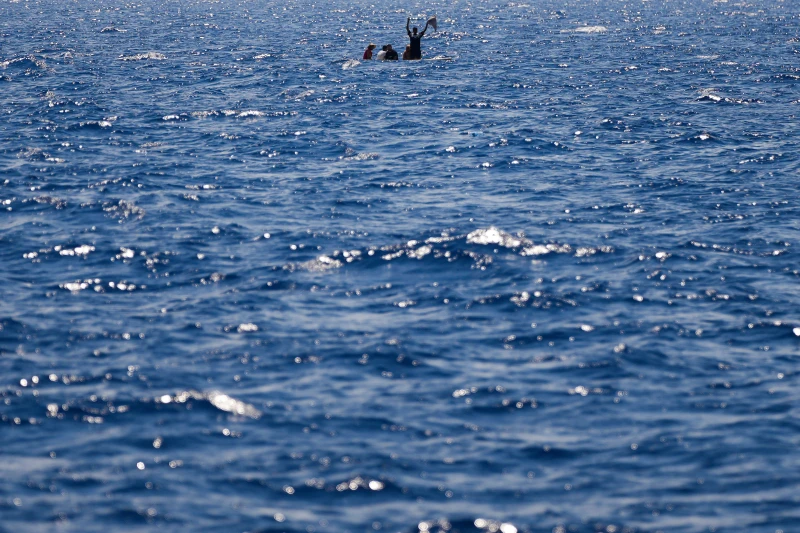
Thousands of migrants try to cross the deadly Mediterranean Sea and the English Channel illegally every year in search of a better life in Europe and the UK, with a large number of them coming from the Kurdistan Region of Iraq and the Kurdish areas of Syria, Iran, and Turkey.
 Facebook
 LinkedIn
 Telegram
 X
X