ERBIL, Kurdistan Region of Iraq - Iraq’s security situation is “fully stable and under control,” Rashid Fleih al-Halfi, director of the Joint Information Operations Center, said on Thursday, stressing that government plans to enhance radar and air defense systems mean that Israel "cannot establish any foothold inside Iraq under any cover."
Addressing reports of a US-Israeli airborne operation and the presence of an Israeli base in Iraq’s western deserts, Halfi said the operation may have been intended to secure the interests of American advisors present at the time, while dismissing circulating images claiming the existence of a second Israeli base in Iraq as “false.”
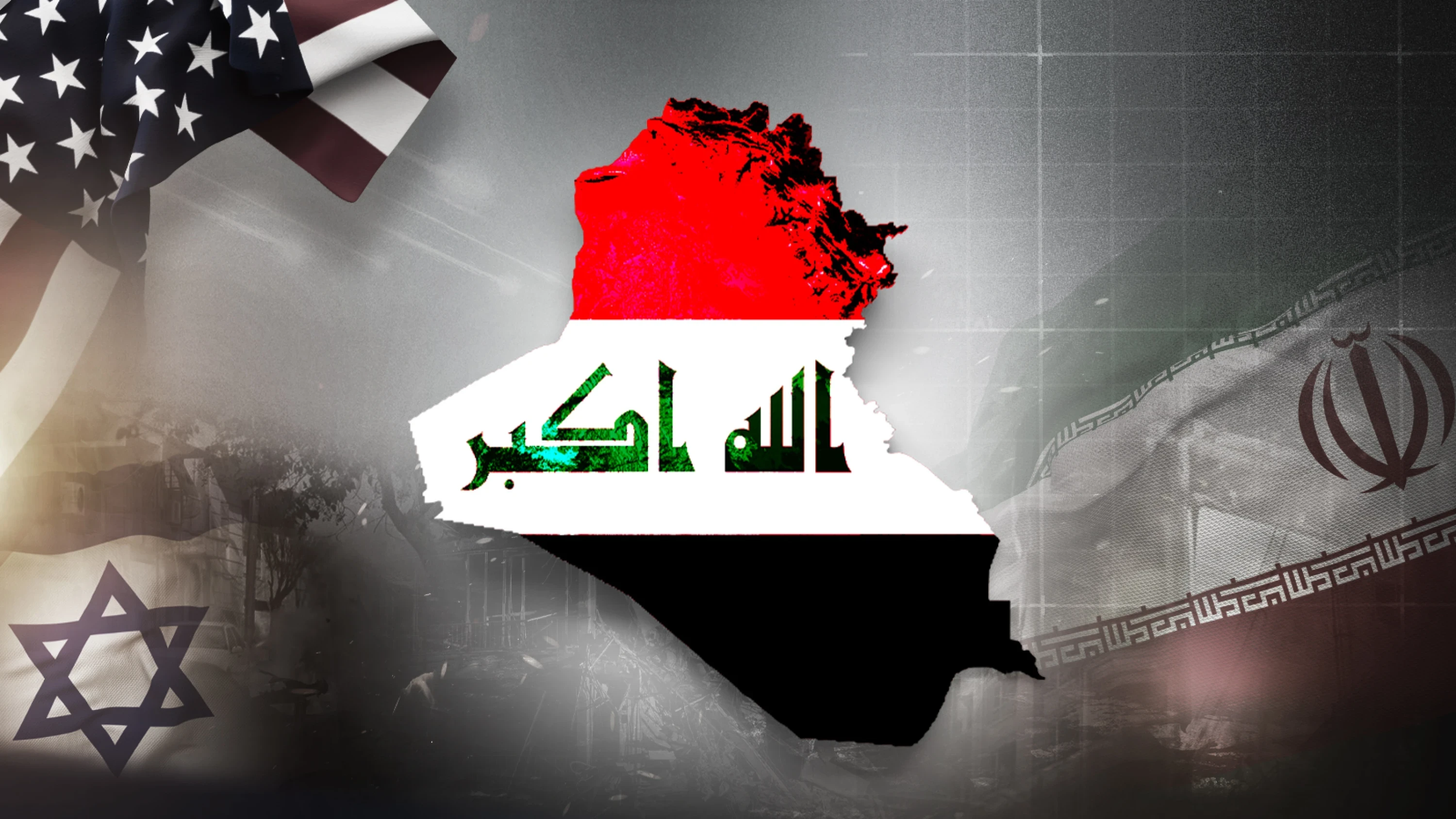
A report published in early May by The Wall Street Journal (WSJ) said that Israel had established a clandestine military outpost in Iraq’s desert shortly before the war with Iran began on February 28, allegedly with US knowledge.
The WSJ article reported that Iraqi forces nearly discovered the base in early March after a shepherd reported unusual military activity and helicopter flights in the desert. Iraqi troops dispatched to investigate allegedly came under Israeli airstrikes aimed at protecting the operation, with one Iraqi soldier being killed.
“Israel cannot establish any foothold inside Iraq under any cover,” Halfi told Iraqi state media, adding that Iraqi radar systems at the time were not advanced enough to detect airborne operations during the US-Israeli war on Iran as "the airspace and radars... [were] under American control via satellites."
"There is increasing governmental interest in equipping Iraqi forces with modern radars and advanced air defense systems," he continued, noting that Prime Minister Ali al-Zaidi has vowed to increase funding for Iraq's security apparatus.
Halfi said the Iraqi government is increasingly focused on equipping security forces with modern radar systems and advanced air defense capabilities, adding that lawmakers have become more convinced of the need to allocate funds to protect Iraqi airspace.
The extemist threat
Halfi also that said authorities had monitored more than “3,200 pages inciting sectarianism inside Iraq,” adding that the Islamic State (ISIS) and al-Qaeda still exist, but their activity is now “largely limited to the media sphere.”
He added that Iraqi security and intelligence agencies had developed advanced capabilities to predict threats before they occur, shifting from reactive operations to preventive and intelligence-based work.
“The security agencies today no longer only track crimes after they occur, but instead rely on proactive and predictive operations to address threats,” Halfi said, adding that modern warfare increasingly depends on technology, cyberspace, and cyber warfare rather than conventional weapons.
Halfi said Iraqi forces have begun training personnel in technological and cybersecurity fields, but noted that Iraq still needs more advanced equipment and systems to track down remnants of extremist groups.
He said Iraqi authorities are monitoring online activity by ISIS supporters, Baathists, and other hostile actors, adding that information gathered by the Joint Information Operations Center is shared with security agencies for follow-up action.
On the Iraq-Syria border, Halfi said the 610-kilometer (379-mile) frontier is “fully secured” through multiple defensive lines involving border guards, the army, the Popular Mobilization Forces (PMF), and the Interior Ministry.
He added that Iraqi forces use thermal cameras and drones to monitor the border and prevent infiltration attempts.
Halfi added that Iraq is considering contracts with French companies for cybersecurity equipment and may turn to Russian firms if needed, stressing that Iraq cannot dispense with foreign expertise in the field.
 Facebook
 LinkedIn
 Telegram
 X
X