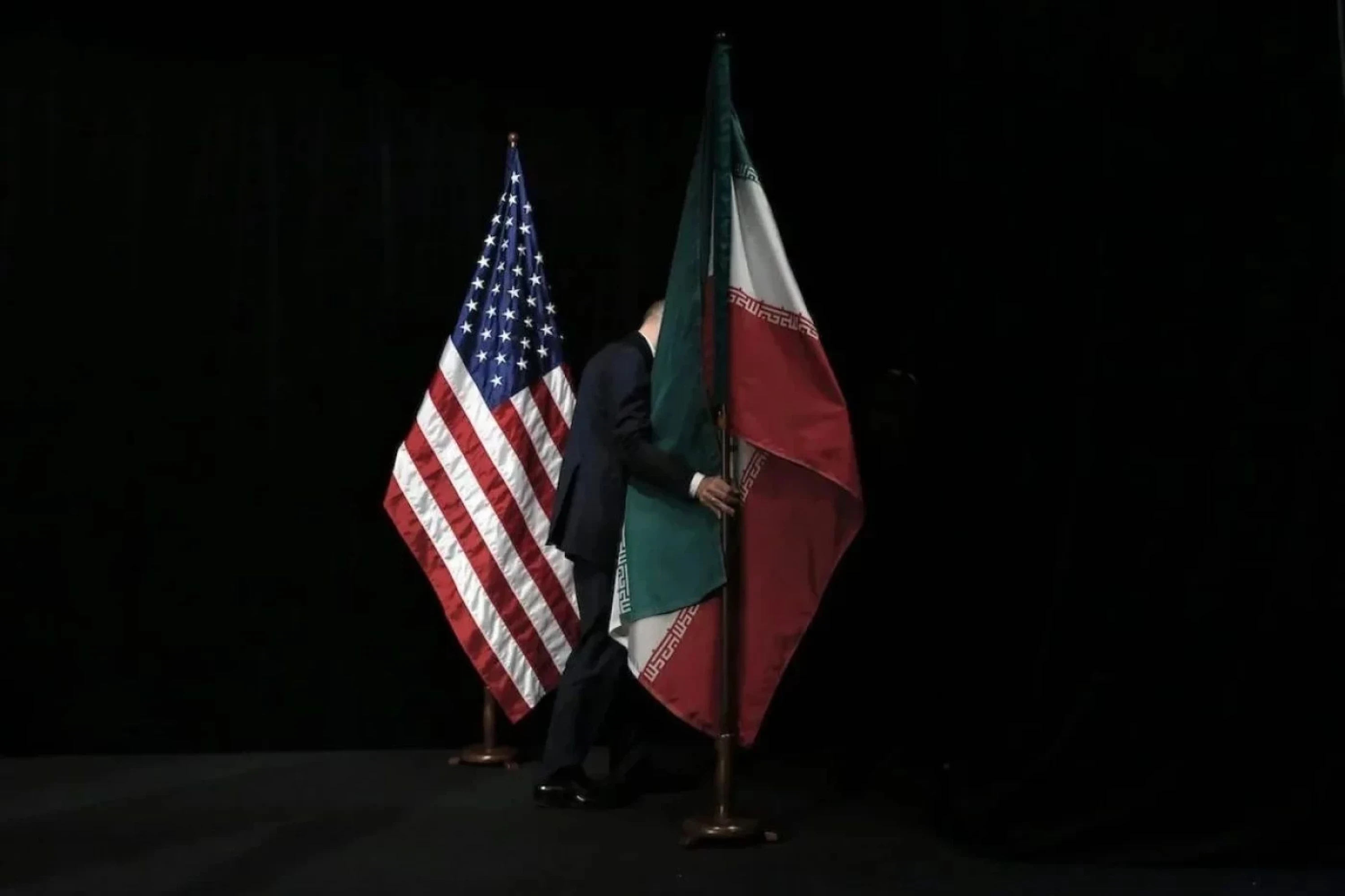
ERBIL, Kurdistan Region of Iraq - Washington and Tehran have agreed on a framework for extending the ceasefire for 60 days that is awaiting US President Donald Trump’s approval, informed sources told Axios on Thursday, while Iran has yet to confirm the agreement.
“This is an agreement to get everybody to the table. We will work out the details in the negotiations,” a US official said, according to the American media outlet.
Shortly after Axios, other international media outlets like AFP and Turkish state media confirmed the report, citing US officials. Meanwhile, Iran has yet to confirm reaching an agreement with the US.
Under the Memorandum of Understanding (MoU), the Strait of Hormuz will be “unrestricted” without tolls and Iran will remove all mines within 30 days, while the naval blockade on Iranian ports will also be lifted, the officials said.
Additionally, Washington would issue some sanction wavers to allow Iran to freely sell its oil.
Iran has closed the Strait of Hormuz, a key waterway responsible for the transport of roughly 20 percent of the world’s oil, as a means in its war against the US and Israel, sharply driving up global oil prices.
Tehran has also approached Oman as a fellow coastal state on the strait to impose a taxing system on ships passing through, a move condemned by world leaders who have stressed freedom of navigation in the international waterway.
In return, the US has imposed a naval blockade on Iranian ports, which Trump says costs the country $500 million daily.
Pakistan has acted as the official mediator between the warring sides, with the first round of talks being held in Islamabad in April, shortly after the initial ceasefire was announced. The talks resulted in no deal.
Since then, the two sides have sent proposals to continue peace talks back and forth, with Tehran calling Washington’s demands excessive and Washington dubbing Tehran’s unacceptable.
Earlier on Saturday, US President Donald Trump said that an agreement was "largely negotiated" with the Iranian side and awaited finalization, following a series of indirect negotiations through Pakistani mediators.
Although the ceasefire largely stopped hostilities between the warring sides, flare-ups in the Strait of Hormuz have led to minor clashes.
Tehran and Washington exchanged fire overnight after the US said it carried out defensive strikes in southern Iran against sites it said were preparing for an imminent attack, while Tehran said it responded by striking a US base in the region.
Pakistani Foreign Minister and top negotiator Ishaq Dar is set to meet US Secretary of State Marco Rubio in Washington on Friday, his ministry announced on Thursday, ahead of the reports that the two sides have reached an agreement.
 Facebook
 LinkedIn
 Telegram
 X
X