
ERBIL, Kurdistan Region of Iraq - A draft legislative framework for the management of the Strait of Hormuz currently under review at the Iranian parliament aims to prohibit the passage of vessels from the US, Israel, and other countries that Tehran has deemed “hostile”, according to a lawmaker.
In mid-July, the “Strategic Action for the Security and Sustainable Progress of the Strait of Hormuz” bill was introduced to the Iranian parliament, as Iranian leaders have repeatedly stressed that commercial navigation through the strategic waterway will not return to its pre-war conditions.
Media affiliated with Iran’s Islamic Revolutionary Guard Corps (IRGC) on Thursday revealed some of the key points that are included in the bill, citing Alireza Salimi, an MP and member of the presiding board of the Iranian parliament.
“The passage of vessels belonging to the United States, the Zionist regime, and other hostile countries through the Strait of Hormuz will be prohibited,” said Salimi, adding that all Israeli-linked cargo, military or civilian, will also be denied passage.
Since the breakdown of the memorandum of understanding between the two sides on July 8, the US has resumed strikes on ports in southern Iran and reimposed its naval blockade on Iranian shipping, while Iran and its proxies have gone back to striking US interests in region.
“Vessels or cargo that have played a role in actions against the Axis of Resistance will also be subject to the ban,” Salimi added.
In addition to the IRGC, Iran’s regional proxies in Iraq, Yemen, and Lebanon have become increasingly involved in the conflict since violence reignited over a month ago.
Repeated strikes targeting Saudi oil facilities, allegedly launched by Iran-aligned armed factions from Iraq, triggered a large-scale Saudi response in coordination with the US in late July, targeting locations of the Popular Mobilization Forces (PMF), an Iraqi state-integrated but Iran-backed paramilitary umbrella group.
Yemen’s Houthis have imposed a maritime embargo against Saudi Arabia since July 22, in response to alleged Saudi efforts to blockade territory controlled by the rebels, with the bombing of Sanaa International Airport to prevent the landing of an Iranian plane carrying a Houthi delegation having triggered the escalation.
The Houthis on Thursday announced that they conducted a “large-scale” attack on Saudi Arabian forces in Yemen following an alleged Saudi military buildup, asserting that “hundreds” were killed or wounded in the strikes.
“Countries and individuals that have caused damage to Iran will not be granted permission to transit through the Strait of Hormuz and the Persian Gulf until the damage is compensated,” Salimi added about the contents of the bill, adding that any vessels found in violation of the proposed law would be subjected to heavy fines that could reach up to 20 percent of the value of the cargo.
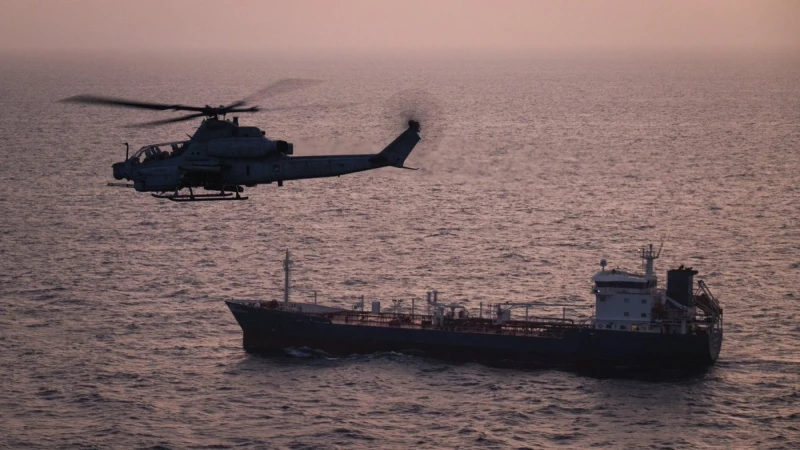
As a means in its war against the US and Israel, Iran has closed the Strait of Hormuz, a key waterway responsible for the transport of roughly 20 percent of the world’s oil, sharply driving up global oil prices.
The free navigation of the waterway is one of Washington’s main demands and has been a key sticking point as Iran has maintained that it has the rights over managing the strait with its coastal neighbor Oman.
On Tuesday, Axios, citing two regional sources and one US official, reported that the US, Iran, and Oman are closing in on an interim agreement to reopen the strait.
US President Donald Trump on Tuesday said negotiations between Washington and Tehran are “moving along very nicely,” warning that Iran would get hit “really hard” if a deal is not reached to reopen the vital Strait of Hormuz “soon”.
“We’ll find out. We’ll know in 48 hours,” said Trump at the time.
 Facebook
 LinkedIn
 Telegram
 X
X