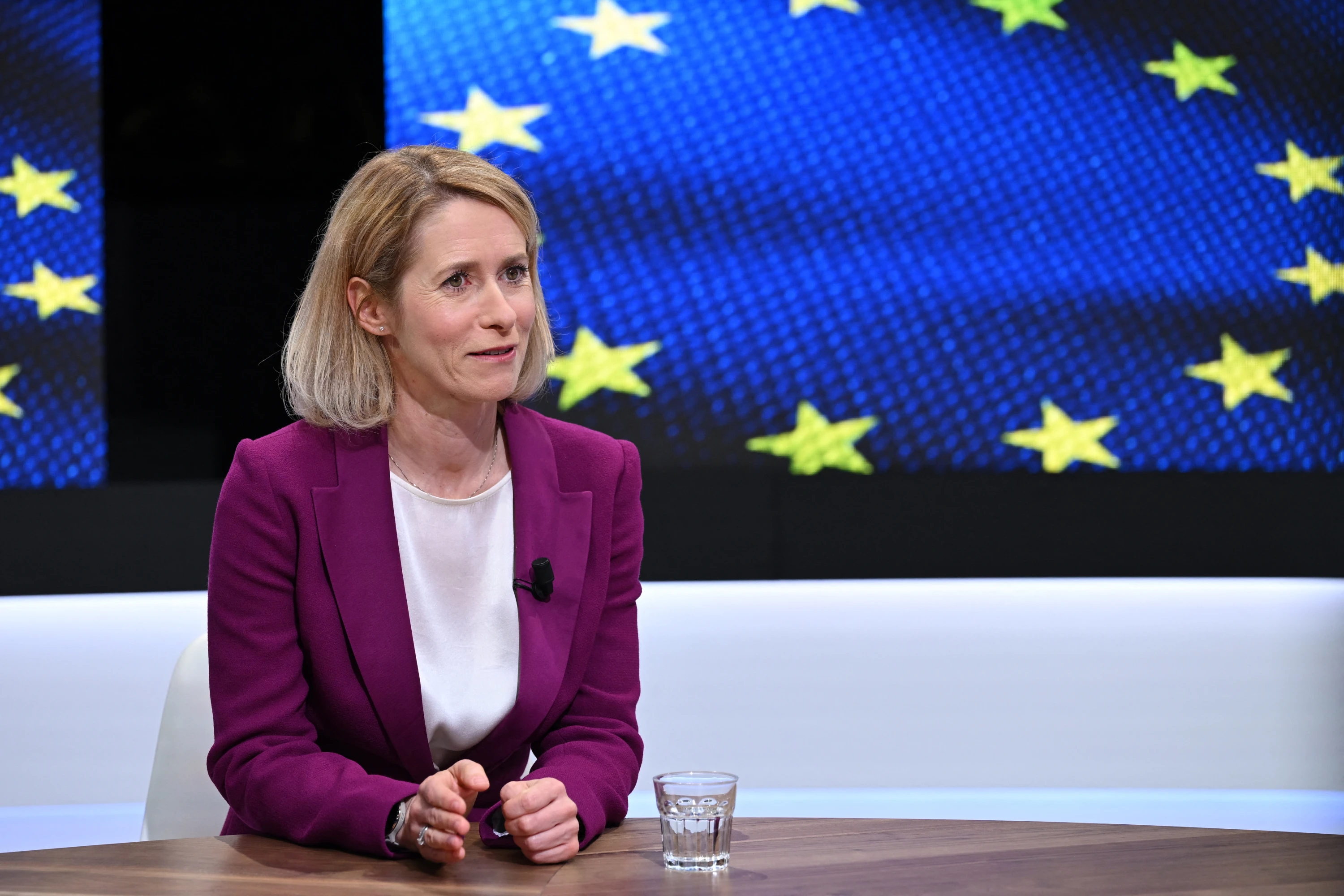
ERBIL, Kurdistan Region of Iraq - The European Union on Thursday agreed to provide the Lebanese army with an additional 100 million euros (around $116 million), foreign policy chief Kaja Kallas said, adding that the latest ceasefire with Israel is a chance to “prevent a return to full-scale hostilities.”
A day earlier, Israel and Lebanon agreed on a “complete cessation” of hostilities and the withdrawal of Hezbollah from southern Lebanon after a US-mediated negotiating process that the Shiite militant group repeatedly criticized.
“The latest ceasefire between Israel and Lebanon offers a chance to prevent a return to full-scale hostilities. But the death of a UNIFIL peacekeeper and continued skirmishes underscore the tenuous nature of what was agreed,” Kaja Kallas said.
The United Nations Interim Force in Lebanon (UNIFIL), which has spent decades seeking to maintain a buffer zone between southern Lebanon's Hezbollah heartlands and Israel, is set to withdraw from the country fully in 2027.
The UN mission has sustained extensive casualties at the hands of both the Israeli military and Hezbollah during its mandate, with a peacekeeper dying on Thursday morning following a mortar attack in Marjayoun.
In April, a French UN peacekeeper was killed by small-arms fire in southern Lebanon's Ghanduriyah, with French President Emmanuel Macron saying that “everything suggests that responsibility for this attack lies with Hezbollah.”
“The best way to reduce the threat posed by Hezbollah is to strengthen the Lebanese state, empower its institutions, and restore its monopoly on the use of force. To support this effort, the EU today agreed to provide an extra €100 million to Lebanon’s Armed Forces,” Kallas added.
The funding is the fourth one provided to Lebanon’s army by the EU, bringing the overall value to 182 million euros (nearly $211.7 million).
The latest ceasefire deal calls for the establishment of pilot zones under the exclusive control of the Lebanese Armed Forces and is intended to pave the way for a broader agreement through further dialogue, essentially aiming to achieve a US-Israeli demand for the Lebanese state to maintain a monopoly on arms to the detriment of the Iran-backed militant group.
Lebanese Prime Minister Nawaf Salam on Thursday said the army would begin deploying the “pilot zones.”
“The next step is practical and tangible: the deployment of the Lebanese army in pilot zones as a first phase,” Salam said, according to remarks read out by Information Minister Paul Morcos after a cabinet meeting, adding, “this does not prejudice our right to a full (Israeli) withdrawal, but brings us closer to it.”
Hezbollah Secretary-General Naim Qassem on Thursday said the outcome of the direct negotiations between Beirut and Israel was “futile, humiliating, and disgraceful for Lebanon” and has been “completely rejected by broad segments of the Lebanese people.”
Qassem said the primary objective should be Lebanese sovereignty, which he said could only be achieved through ending Israeli attacks on Lebanon, Israel’s withdrawal from Lebanese territory, the deployment of the Lebanese army south of the Litani River, and the release of prisoners.
 Facebook
 LinkedIn
 Telegram
 X
X