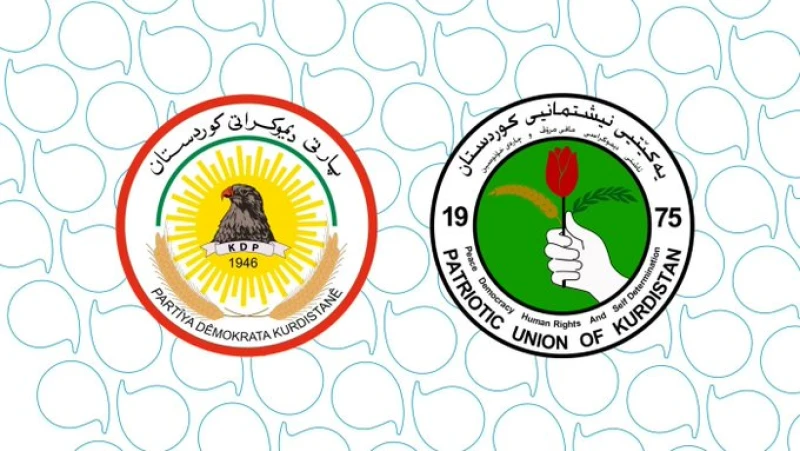
ERBIL, Kurdistan Region of Iraq - The Kurdistan Democratic Party (KDP) on Saturday said its political bureau has started meeting with the Kurdistan Region’s parties at the instruction of President Masoud Barzani, to end the Region’s political deadlock.
President Barzani in late April called on the Kurdistan Region’s political parties to meet and end internal conflicts that have delayed government formation, calling it a “moral, national, and patriotic duty.”
After a meeting of the KDP’s Central Committee on Saturday, chaired by the Kurdish leader, the party said it placed “great importance” on President Masoud Barzani’s efforts to resume negotiations between political parties in the Kurdistan Region.
“To that end, a high-level committee from the Political Bureau has begun meeting with political parties to break the political deadlock and find an appropriate resolution,” the KDP statement added.
The regional parliamentary elections were held in October 2024, and the elected lawmakers were sworn in during a session in December of that year. However, efforts to hold subsequent sessions have failed due to not meeting the legal quorum.
Both the KDP and Patriotic Union of Kurdistan (PUK) have blamed each other for the dysfunction. A key sticking point has been top positions and sovereign ministries in the Kurdistan Region, particularly the interior ministry – a post the PUK is vying for.
During the Saturday meeting, the party touched on several other relevant issues, including the attacks on the Kurdistan Region during the recent US-Israel war with Iran, and Erbil’s relations with Baghdad.
In April, Erbil Governor Omed Khoshnaw said that the province was hit by over 500 missiles and drones since the onset of the Iran war.
Attacks on Kurdish-Iranian opposition groups in the Kurdistan Region have continued despite a ceasefire between the warring parties.
“As a result of drone and missile strikes, dozens of citizens were killed and wounded and material damage was incurred, while trade activity and the energy sector were severely disrupted — this is despite the Kurdistan Region having had no part in that conflict,” the KDP statement said.
Regarding Erbil-Baghdad relations, the party noted that “efforts have been made to resolve longstanding issues,” and that within that framework an understanding has been reached with the Coordination Framework to ensure that “the constitution is implemented as written.”
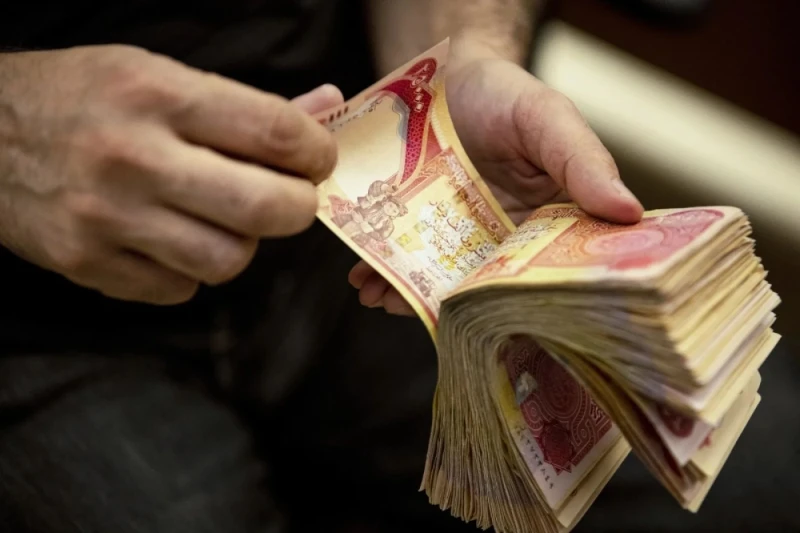
Years of conflict and unresolved issues between Erbil and Baghdad, and economic sanctions and pressure on Erbil by federal authorities, have pushed employees in the Region to live from paycheck to paycheck.
Both sides have agreed that the Kurdistan Region's “rightful financial entitlements” and civil servants’ salaries would be remitted to Erbil on time, the statement said.
Salaries of the Kurdistan Region’s civil servants and the Region’s share of the federal budget have long been a point of contention between the federal and regional governments.
 Facebook
 LinkedIn
 Telegram
 X
X