ERBIL, Kurdistan Region of Iraq – Baghdad and Erbil on Sunday reached an agreement aimed at protecting oil companies and putting an end to attacks targeting them, Sabah al-Numan, spokesperson for the Iraqi prime minister, said in a statement.
The agreement was made after a high-level Iraqi security delegation traveled to Erbil and met with senior Kurdish leaders, at the instruction of Prime Minister Ali al-Zaidi.
The deal aims to create the conditions for “resuming oil production and exports to revitalize the economy and support reconstruction,” according to Numan.
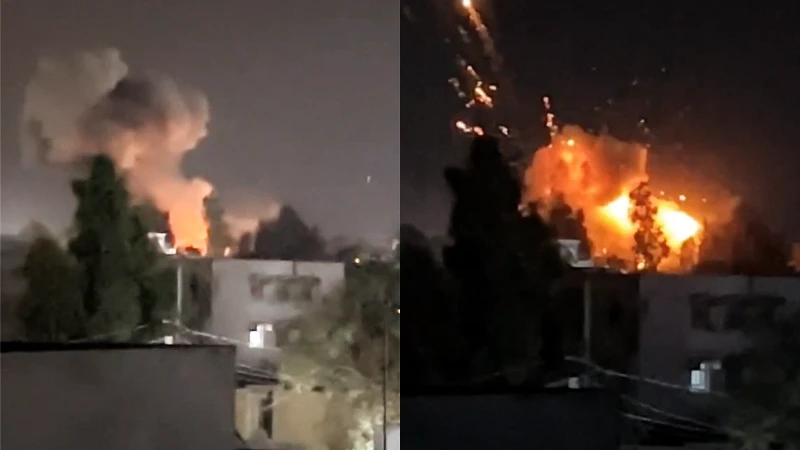
The Kurdistan Region's energy infrastructure has been a target of drone strikes from Iran and its allied militias for years, reaching unprecedented rates following the 12-Day War in June 2025 and the more recent US, Israel, Iran conflict which started in late February.
A source within the KRG told The New Region that outstanding issues between Baghdad and Erbil are moving toward a “final resolution,” prompting a high-level Kurdistan Regional Government (KRG) delegation to visit Baghdad on Tuesday and meet with senior Iraqi officials.
The meetings are scheduled to highlight three key points, “the oil file, non-oil revenues, and the ASYCUDA system,” which are “nearing resolution,” according to the source.
The KRG source added that with the resolution of outstanding disputes, salaries will be distributed in an orderly manner, asserting that the timely distribution of May salaries in the Region, in line with the rest of Iraq’s provinces, “was the first successful experience in establishing salary stability.”
Salaries of the Kurdistan Region’s civil servants have long been a point of contention between the federal and regional governments, with Baghdad suspending the Region’s share of the federal budget in May 2025, leaving residents struggling to live from paycheck to paycheck.
The issue was largely resolved following a September agreement between the two sides, with the KRG agreeing to export its oil through Iraq's oil marketing firm (SOMO) and hand over 120 billion dinars every month as Baghdad's share of the Region's non-oil revenues, in exchange for the monthly dues of the Kurdistan Region's civil servants.
The source also told The New Region that the Region’s oil production has increased, reaching nearly 220,000 to 230,000 barrels per day, noting ongoing efforts to bring oil companies back to their previous production levels, which were largely impacted by the latest regional unrest, with the aim of “increasing revenues for Iraq’s public treasury.”
Iraq exported nearly 100 million barrels in February before the US-Iran war started, generating $6 billion. The number dropped to 18.6 million barrels and just shy of $2 billion for March, following the maritime blockade on the Strait of Hormuz, through which Iraq exported most of its crude oil.
Another point of contention between the two sides has been the implementation of the ASYCUDA customs system in the Kurdistan Region and the trade embargo imposed on the Region’s businessmen, which is also set to be discussed during the talks.
Earlier in June, another high-level KRG delegation visited the Iraqi capital, holding talks with top officials, including Prime Minister Zaidi.
 Facebook
 LinkedIn
 Telegram
 X
X