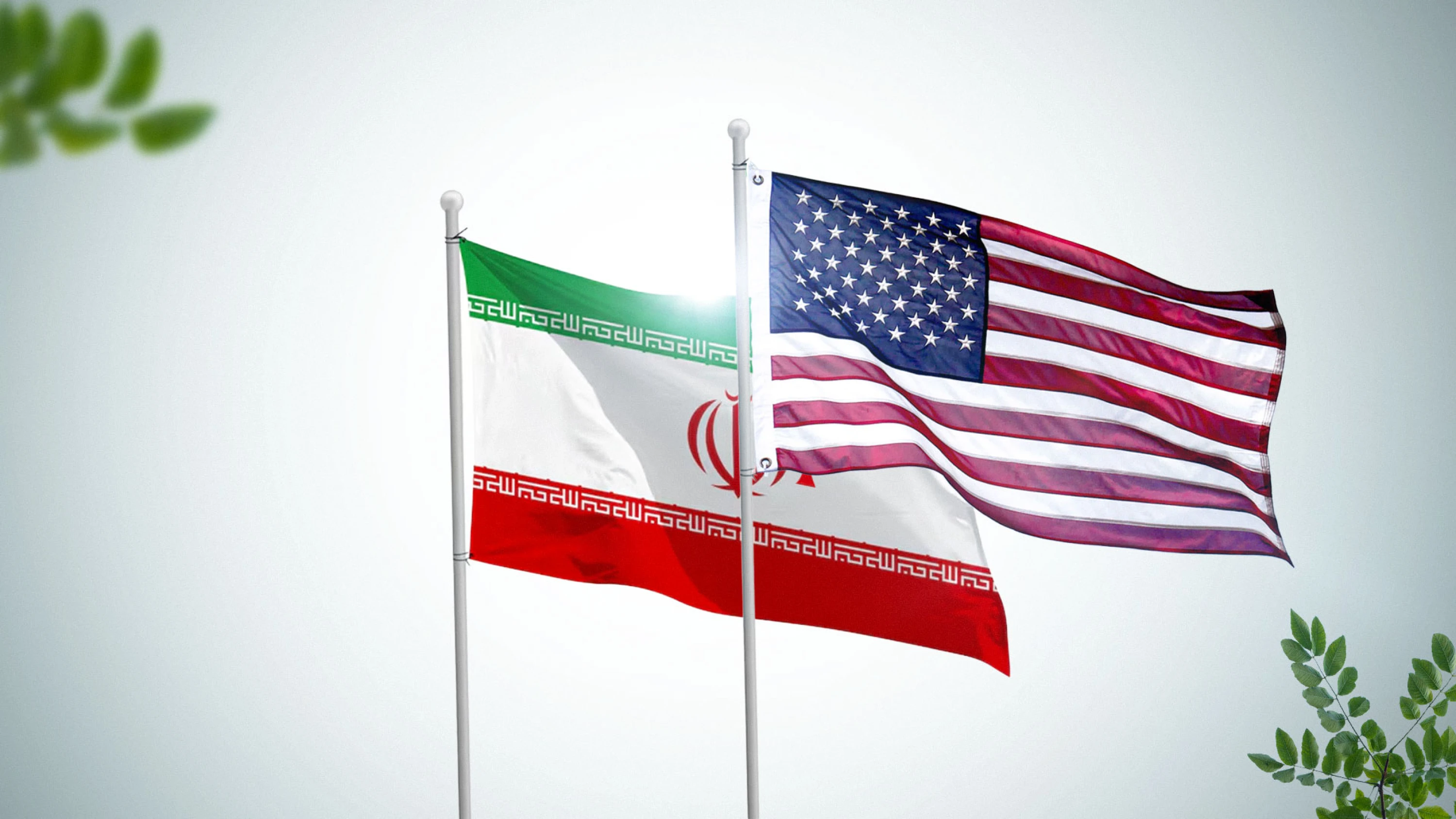
ERBIL, Kurdistan Region of Iraq - The United States and Iran have reached a landmark “peace deal,” aimed at the “immediate and permanent” end to hostilities, mediator Pakistan announced early Monday, with the agreement set to be signed on Friday in Switzerland.
“Following intensive talks, we are pleased to announce that the Peace Deal between the United States of America and Islamic Republic of Iran has been REACHED,” read a statement from Pakistani Prime Minister Shehbaz Sharif.
“Both sides have declared the immediate and permanent termination of military operations on all fronts, including in Lebanon,” Shehbaz added, thanking Tehran and Washington for “finding a diplomatic solution,” and extending appreciation to Qatar, Turkey, and Saudi Arabia for their mediation efforts.
Shortly after Shehbaz’s statement, US President Donald Trump verified that the deal with Iran is “now complete,” calling for the reopening of the Strait of Hormuz, and announcing that he authorizes the removal of the US naval blockade on Iranian ports which has in place since mid-April.
“This Great Deal will bring peace and security to the whole region. Many presidents have tried to make peace with Iran, and all have failed before me. The leaders of the region have, for the first time, found a President who can help them achieve real peace,” Trump said in a subsequent post on Truth Social.
Iranian Deputy Foreign Minister Kazem Gharibabadi confirmed that an agreement has been reached, noting that Iran’s commitments and the implementation of the provisions of the memorandum of understanding will start from Friday.
“This memorandum of understanding was not just a diplomatic effort that led to this diplomatic achievement for the Islamic Republic of Iran. It was not just diplomatic consultations, but this issue is also due to our military achievements,” read the statement from Gharibabadi.
The diplomat stressed that Iran remains untrusting of “the enemy” and will monitor the US’ implementation of the agreement’s provisions in the first stage, with negotiations, mainly focused on the nuclear issue, set to begin within 60 days to reach a final agreement.
“We hope that the negotiations will be concluded within 60 days, if there is a serious will on the other side. In our opinion, 60 days will be sufficient, but if for any reason, especially due to technical issues or the complexity of the issues, more time is needed, naturally, with the agreement of the parties, there will be the possibility of an extension,” he added.
Iran’s Supreme National Security Council later said that the negotiations for a final agreement “will be postponed until after the other party has fulfilled its obligations under the memorandum of understanding.”
The Iranian Army’s Khatam al-Anbiya Central Headquarters said in a statement that the “resilience” of Iran’s people and armed forces “have proven to the wretched American and Zionist enemies that there is no way but to accept defeat and surrender.”
Speaking to Fox News, US Vice President JD Vance said that he plans to be in Geneva for the signing ceremony on Friday, but noted that Trump himself could present at the ceremony as well.
The deal would “fundamentally transform the Middle East for the next 50 years,” according to Vance.
Israel, whose attacks on Lebanon on Sunday heavily jeopardized the completion of the US-Iran deal, has yet to issue an official statement on the agreement.
The recent conflict began in late February with the US and Israel raining down missiles on Iran, killing a myriad of the country’s top military and political officials, including Supreme Leader Ayatollah Ali Khamenei.
The two warring sides reached a ceasefire in April which ended hostilities for the most part, while they kept exchanging proposals to end the war.
Heavy Israeli bombardment of Beirut’s southern suburbs on Sunday risked Iran backing down from the emerging agreement with the US, with Tehran having repeatedly stressed that ceasefire in Lebanon must be included in any agreement with Washington.
 Facebook
 LinkedIn
 Telegram
 X
X